Why the Nabaganga River Draws Visitors
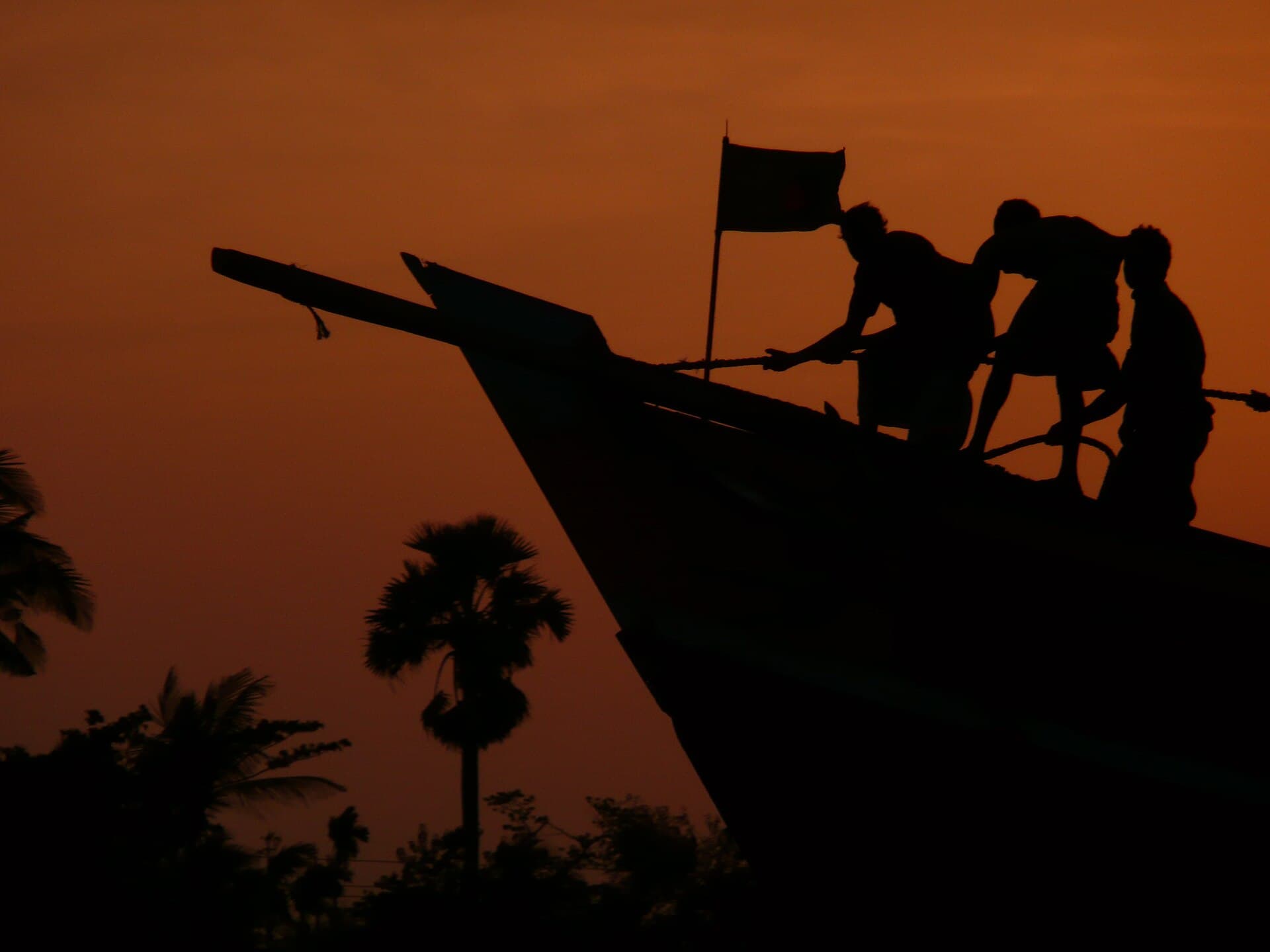
The Nabaganga River winds through fertile plains of Khulna Division, offering a quieter alternative to busier waterways. Its broad, slow-moving waters reflect paddy fields and date-palm groves while supporting small fishing communities whose wooden boats still ply the same routes used for generations. Travelers come here to experience the unhurried rhythm of rural Bangladesh and to reach quieter entry points toward the Sundarbans mangrove forest.
What to See and Do
Boat Journeys and Village Stops
Local country boats provide the best way to travel. Short trips reveal riverside markets where fresh catch is sorted at dawn, while longer outings pass brick kilns, mango orchards, and Hindu temples perched on the banks. Birdwatchers often spot kingfishers, egrets, and occasional river dolphins in the quieter stretches.
Seasonal Fishing and Harvest Scenes
During the cooler months, visitors can observe traditional fishing techniques using lift nets and bamboo traps. Farmers harvest winter vegetables along the levees, creating colorful market scenes worth photographing from the water.
How to Reach the Nabaganga
Most travelers start from Khulna city, roughly 30 kilometers away by road. Shared three-wheelers or rented cars reach riverside ghats near the towns of Abhaynagar or Phultala. From there, hiring a local boatman is straightforward. The nearest rail station is Khulna, with onward road connections.
Best Time to Visit
November through February brings cooler, drier weather ideal for daytime boating and photography. Monsoon months from June to September bring high water levels and occasional flooding, making travel more difficult though the landscape turns lush green.
Nearby Attractions
- The historic mosques and tanks of Bagerhat, a short drive south.
- Launch points for Sundarbans boat tours at Mongla, downstream from the Nabaganga confluence.
- Khulna’s riverside markets and the Rupsha River ferry crossing for contrast with urban river life.