Keep reading
Nearby & related
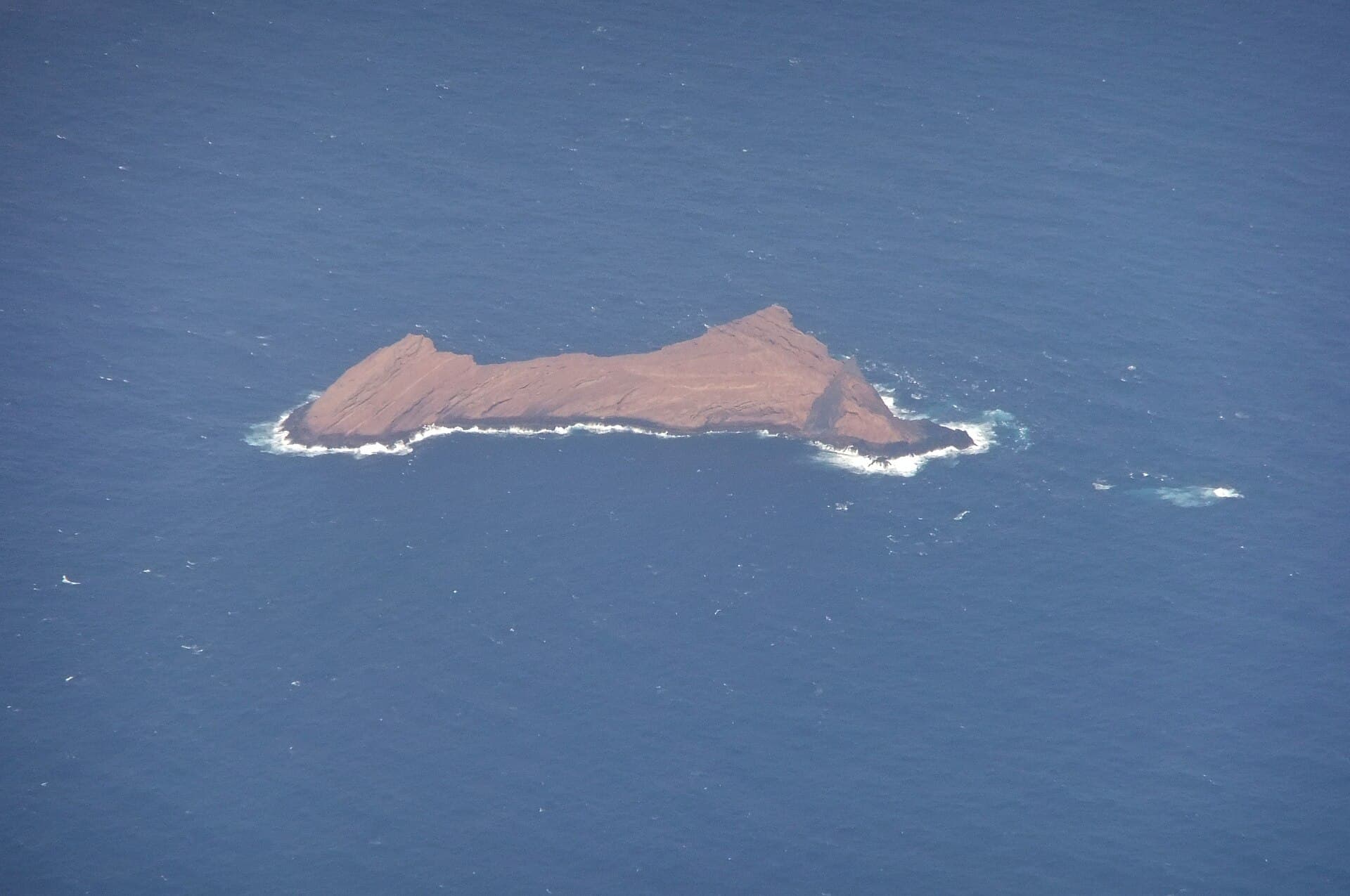
Roque del Este: The Remote Volcanic Islet of Lanzarote’s Chinijo Archipelago
Discover the dramatic cliffs, seabird colonies and pristine waters of this tiny protected Canary Island.
8 November 2026
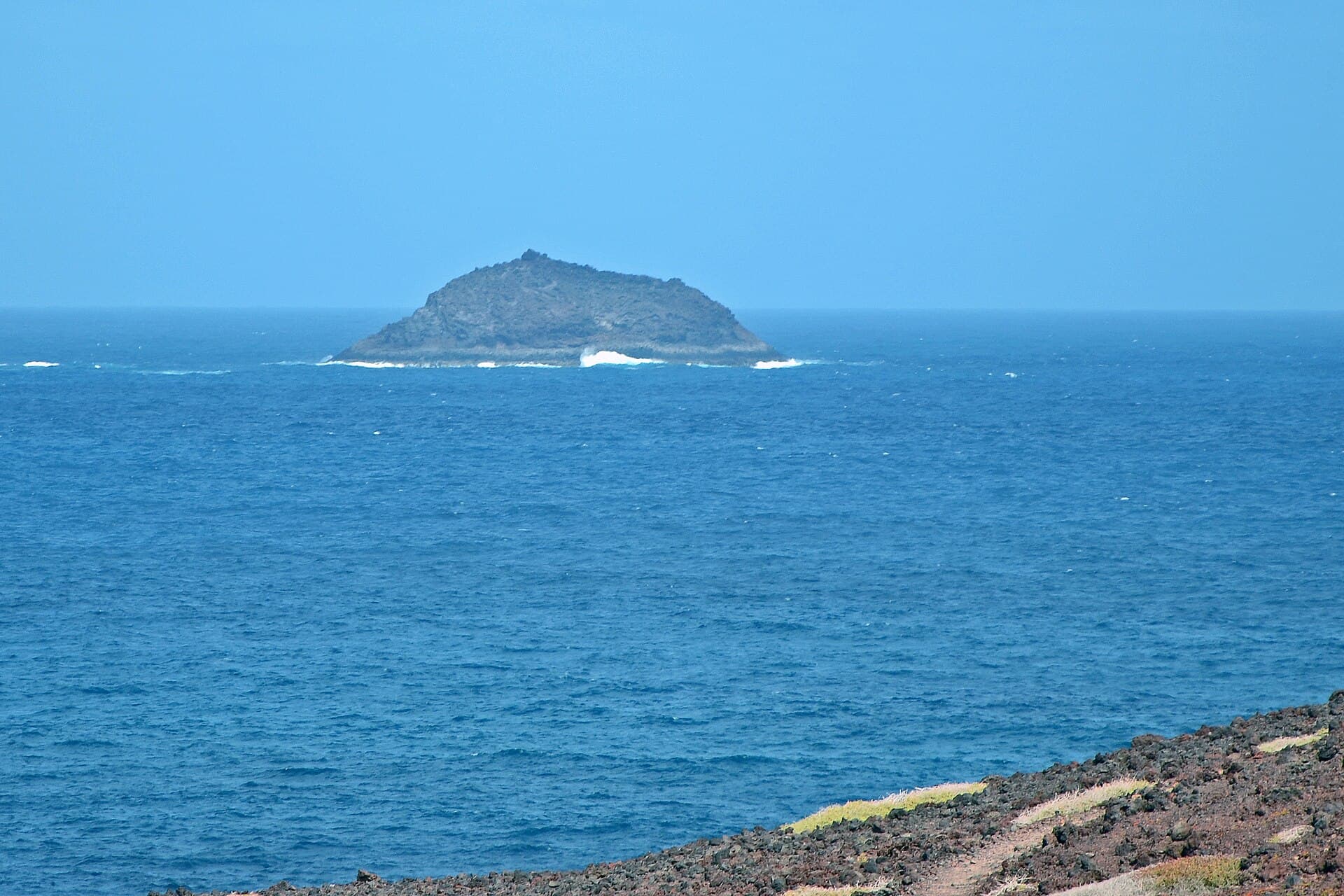
Experience the protected marine sanctuary of Roque del Oeste from the sea on boat tours departing from Lanzarote.
Roque del Oeste forms part of the Chinijo Archipelago Marine Reserve off northern Lanzarote in the Canary Islands. This small, sheer-sided volcanic islet rises dramatically from the Atlantic, creating a striking silhouette visible from the sea. As a strictly protected natural reserve, the islet itself remains off-limits to visitors, preserving its role as a key nesting site for seabirds and a habitat for endemic marine species.
Access is possible only via guided boat excursions that depart from Órzola on Lanzarote’s northeast coast or from the port of Arrecife. Trips typically combine Roque del Oeste with the larger islands of La Graciosa and Montaña Clara. Operators use small vessels that allow close approaches without disturbing the reserve. The crossing from Órzola takes roughly 30 to 45 minutes, depending on sea conditions and the chosen itinerary.
From the boat you can observe large colonies of Cory’s shearwaters, Bulwer’s petrels, and Madeiran storm petrels nesting on the cliffs. Underwater visibility often reveals schools of parrotfish, groupers, and occasional rays in the surrounding waters. Many tours pause for snorkeling in permitted zones nearby, where the clear waters reveal colorful volcanic rock formations just below the surface. Binoculars are essential for spotting seabirds circling the islet’s crags.
The calmest seas and clearest skies occur from April through June and September through November. Summer months bring warmer water for snorkeling but stronger trade winds, while winter can deliver dramatic wave action that occasionally cancels tours. Bird nesting peaks in spring, making April and May especially rewarding for wildlife viewing.
Combine a Roque del Oeste trip with a visit to La Graciosa, where you can rent bicycles to explore volcanic beaches and the dunes of Playa de las Conchas. The Famara cliffs on mainland Lanzarote offer sweeping views back toward the archipelago, and the Jameos del Agua visitor center provides insight into the region’s volcanic geology.
Keep reading
Discover the dramatic cliffs, seabird colonies and pristine waters of this tiny protected Canary Island.
No. The islet is part of a strict integral reserve where landing is forbidden to protect breeding seabirds and fragile ecosystems. All viewing is done from permitted boats.
Full-day excursions from u00d3rzola usually run six to eight hours and include time at La Graciosa plus a circuit around Roque del Oeste and Montau00f1a Clara.
Expect to spot parrotfish, moray eels, and occasionally dolphins or pilot whales in the nutrient-rich waters of the marine reserve.
Most operators welcome children, but the crossing can be bumpy. Families should check sea conditions the day before and choose calmer morning sailings.
Snorkeling is permitted only in designated zones away from the nesting cliffs; operators will indicate safe areas during the tour.
A remote volcanic outpost in the Chinijo Archipelago offering raw landscapes, seabird colonies and pristine beaches…
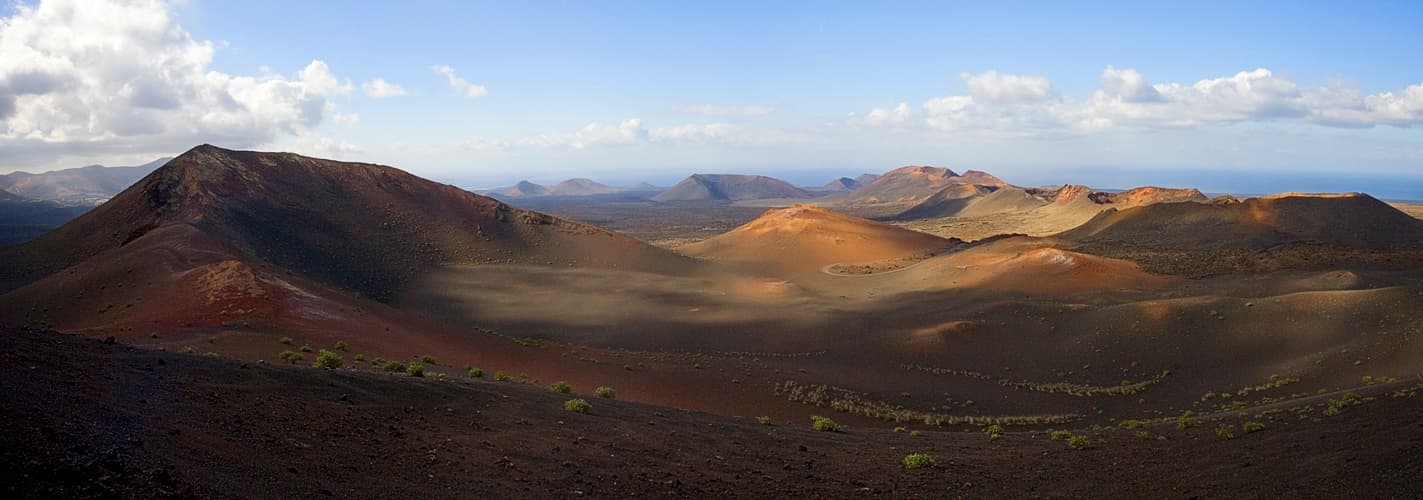
Experience the raw power of volcanic eruptions preserved in this unique Canary Islands protected area.