
Keep reading
Nearby & related
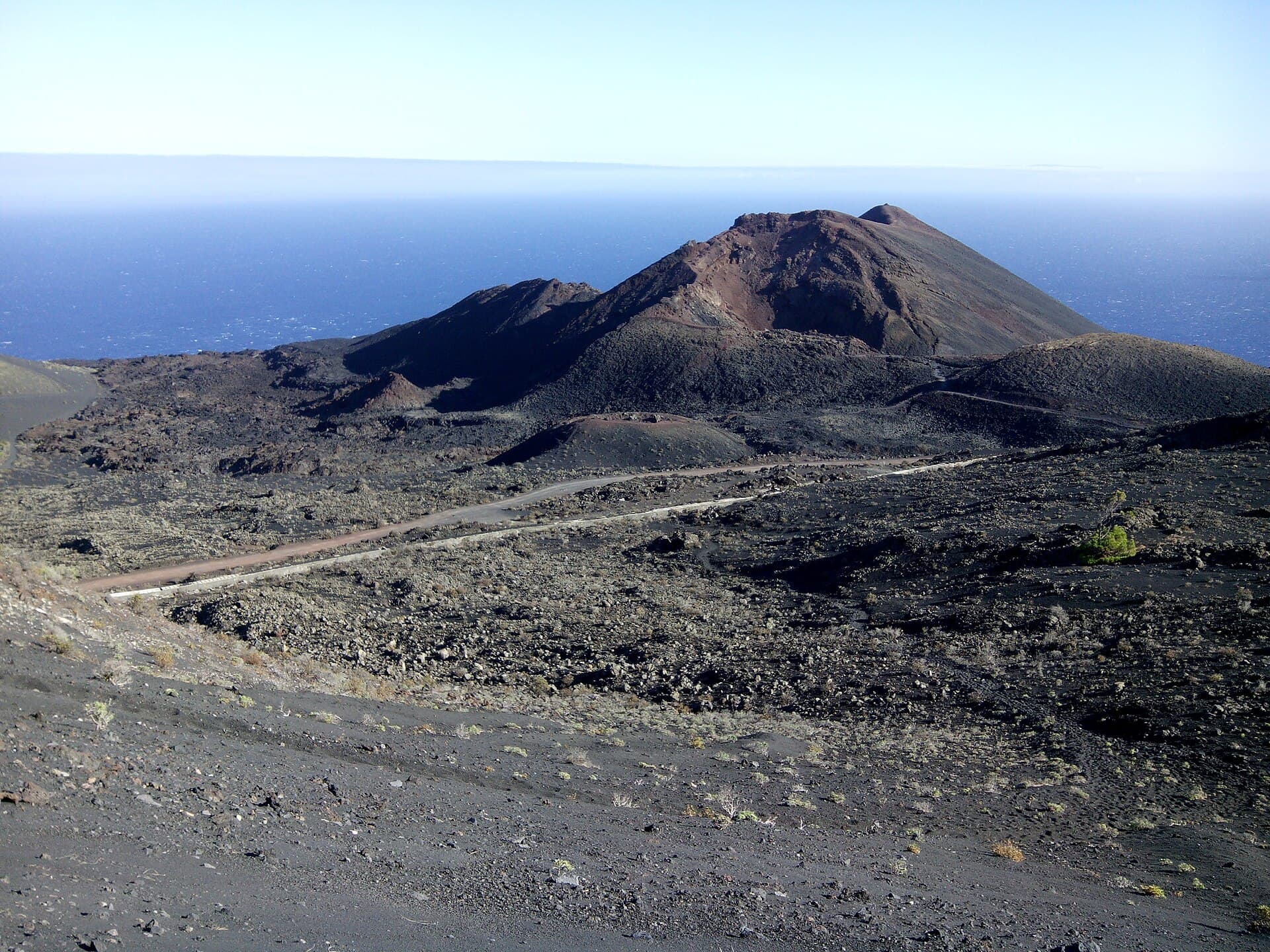
Teneguía Volcano: Hiking La Palma’s 1971 Eruption Site
Discover the stark lava fields, crater rim trails, and sweeping views at Teneguía, the Canary Islands’ youngest volcano.
9 November 2026
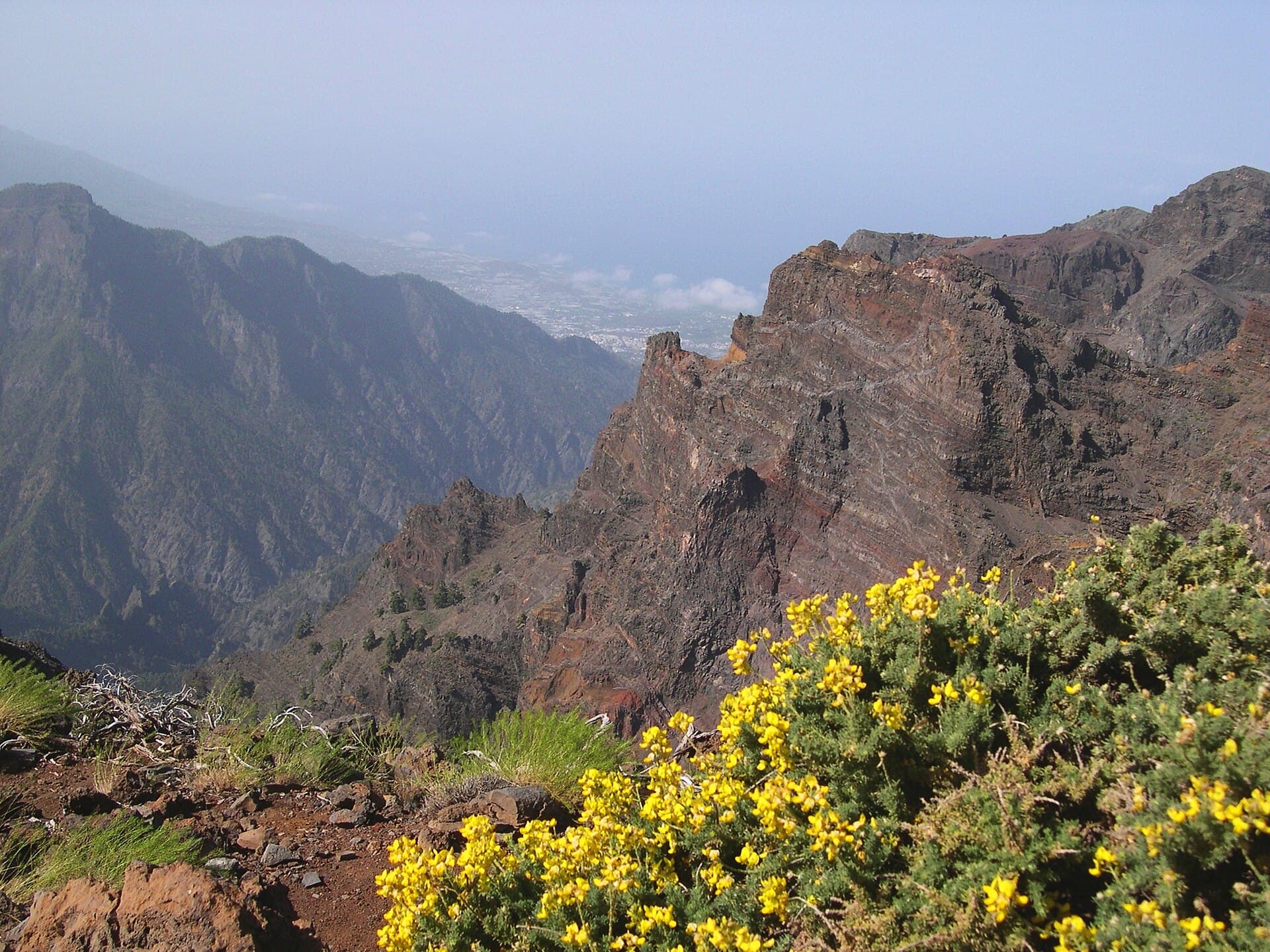
Climb to the Canary Islands’ highest point on La Palma to experience world-class observatories, sweeping vistas, and some of Europe’s darkest skies.
At 2,426 meters, Roque de los Muchachos is the highest peak on La Palma and home to the Roque de los Muchachos Observatory, one of the northern hemisphere’s premier astronomical sites. The combination of altitude, minimal light pollution, and stable atmosphere draws professional astronomers and amateur stargazers alike. Visitors are rewarded with 360-degree panoramas that stretch across the Atlantic and, on clear days, to neighboring islands.
The summit is reached via the LP-4 road, which begins near Santa Cruz de La Palma and climbs steadily through pine forest before emerging above the tree line. The route is paved but narrow with tight switchbacks; allow at least 45 minutes from the capital and longer from the west-coast towns of Los Llanos or Puerto Naos. A four-wheel-drive vehicle is not required, but drivers should be comfortable on mountain roads. Parking is available near the main observatory complex and several viewpoint pullouts.
No regular bus service reaches the summit. Organized astronomy tours or private transfers are the most practical options for those without a car. Cyclists occasionally tackle the climb, though the elevation gain makes it a serious undertaking.
The Gran Telescopio Canarias (GTC), the world’s largest single-aperture optical telescope, dominates the ridge. While the instruments themselves are closed to casual visitors, the surrounding grounds offer excellent vantage points for photography. Several short trails lead to additional viewpoints and the nearby 2,423-meter summit marker. At sunset the sky often clears dramatically, revealing volcanic cones and the vast Caldera de Taburiente below.
The site’s international dark-sky status makes it one of the best places in Europe for naked-eye astronomy. Bring a red-light flashlight and allow 20 minutes for eyes to adjust. Guided night tours are available through local operators who coordinate with the observatory to minimize interference.
Clear skies are most reliable from April through October. Winter months bring stronger winds and occasional snow, occasionally closing the road. Arrive by mid-afternoon to explore safely before temperatures drop sharply after sunset. Early morning visits can avoid the haze that sometimes builds during the day.
Combine a summit trip with a hike into Caldera de Taburiente National Park, whose rim trails begin only a short distance below the observatory. The volcanic landscapes of the Cumbre Vieja ridge lie to the south, while the banana plantations and black-sand beaches of the west coast offer a striking contrast once you descend.
The summit reaches 2,426 meters, making it the highest point on La Palma and one of the highest paved roads in the Canary Islands.
The grounds are open during daylight hours for viewing from outside the domes; the telescopes themselves are not accessible to the public without special arrangements.
The paved LP-4 is accessible to standard vehicles, but the steep, winding route requires confident mountain driving and good weather conditions.
Clear, moonless nights between April and October offer the most reliable conditions, though the site can deliver good views year-round when weather cooperates.
There are no restaurants or shops; visitors should bring water, food, and warm clothing. Toilets are available near the main parking area during observatory opening periods.
Keep reading
Discover the stark lava fields, crater rim trails, and sweeping views at Teneguía, the Canary Islands’ youngest volcano.