Keep reading
Nearby & related
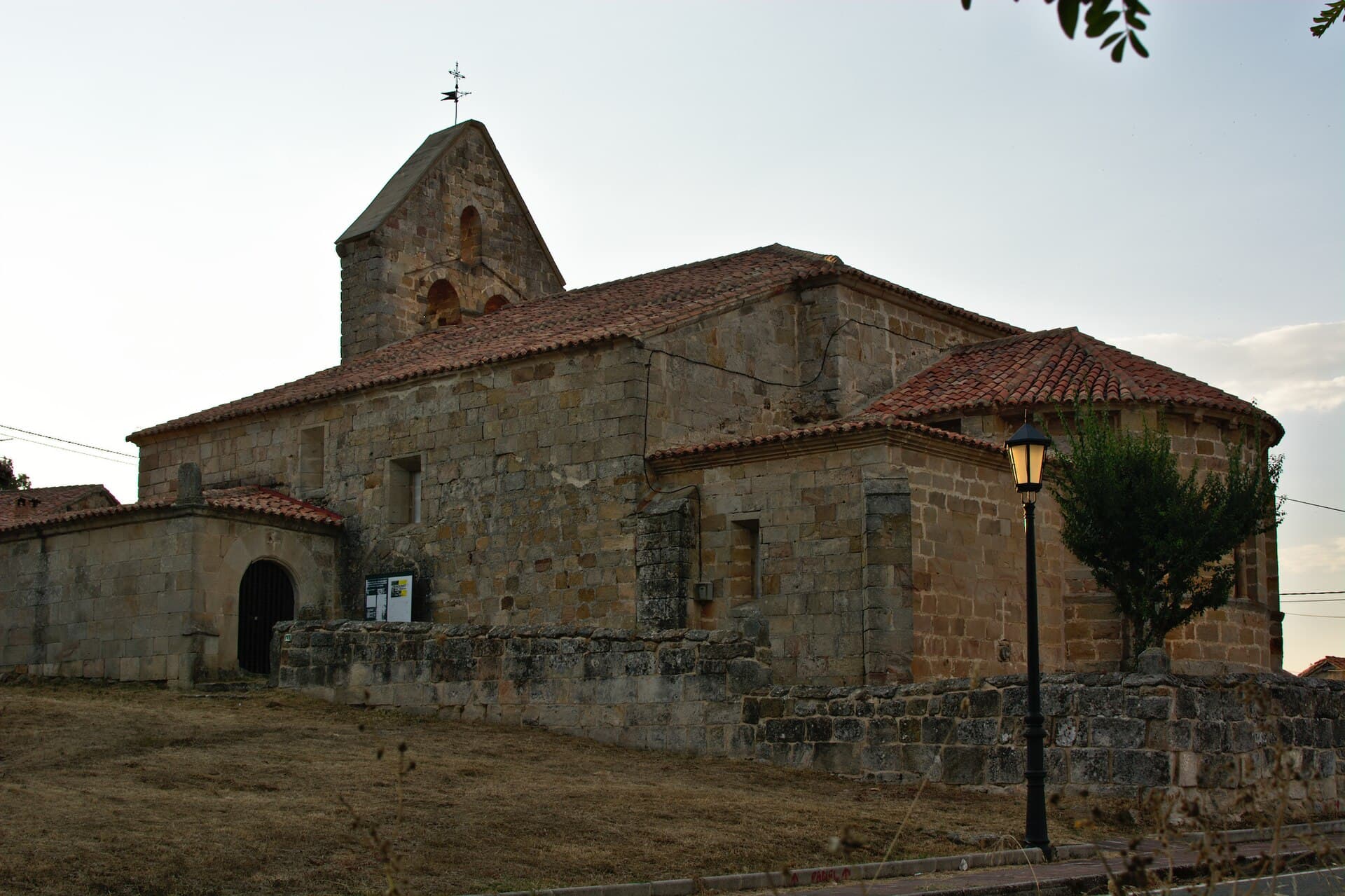
Iglesia románica de San Martín de Valdelomar: Cantabria’s Quiet 12th-Century Treasure
Explore the stonework, setting, and peaceful atmosphere of this well-preserved Romanesque church in the heart of…
11 November 2026
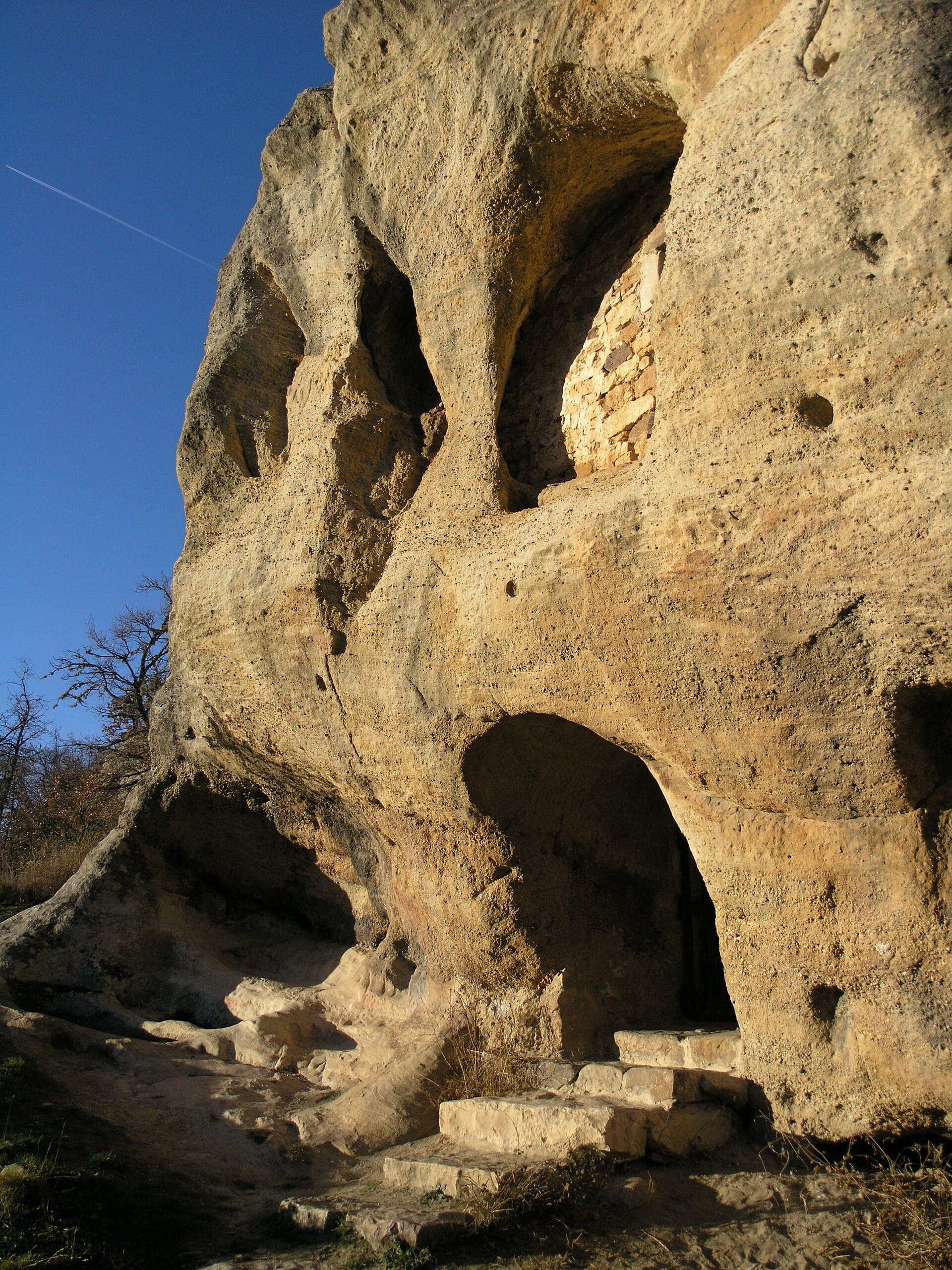
This ancient rock-hewn hermitage in Valderredible offers a rare glimpse into early medieval cave architecture amid the rolling landscapes of Cantabria.
Carved directly into a sandstone cliff in the village of Arroyuelos, the Rock Carved Hermitage of San Acisclo and Victoria stands as one of the most distinctive early Christian monuments in Cantabria. Located in the Valderredible valley, the site reveals the region’s long tradition of rupestrian architecture, where communities adapted natural rock formations into places of worship and refuge.
The hermitage dates to the early medieval period, likely between the 8th and 10th centuries, when Christian communities in northern Spain sought seclusion in remote valleys. Dedicated to the martyrs San Acisclo and Victoria, it reflects influences from Visigothic and Mozarabic traditions. Local farmers and hermits expanded the natural caves over generations, creating a functional chapel that remains remarkably intact despite centuries of exposure.
Visitors enter through a modest facade cut into the rock face. Inside, the single nave features a simple altar niche, low vaulted ceilings, and carved benches along the walls. Small windows admit shafts of light that highlight the textured sandstone surfaces. A separate side chamber may have served as living quarters for a resident hermit. The absence of ornate decoration emphasizes the site’s austere, contemplative purpose.
The hermitage sits on the outskirts of Arroyuelos, a quiet hamlet surrounded by fields and low hills. Access involves a short walk from the village road, often along an unpaved path that passes through agricultural land. The interior remains open and unlit, so natural daylight provides the best viewing conditions. No facilities exist on site, making it ideal for travelers seeking an uncommercialized experience.
Spring and early autumn deliver mild temperatures and fewer visitors, while the surrounding valley displays wildflowers or golden harvest hues. Summer brings warmer days but stronger sun on the exposed rock; winter visits require caution due to potential dampness and shorter daylight hours.
The valley contains several other rock-cut churches and Romanesque chapels worth combining into a single day. The nearby village of San Andrés offers another example of cave architecture, while the larger town of Polientes provides basic services and information on regional history. Hiking trails connect Arroyuelos to the Ebro River, revealing prehistoric cave art sites and traditional stone farmhouses.
Arroyuelos lies roughly 90 kilometers south of Santander via the N-623 and local roads through Valderredible. Public transport is limited, so most visitors arrive by car. Parking is available along the village approach road before the final short walk to the cliff.
Keep reading
Explore the stonework, setting, and peaceful atmosphere of this well-preserved Romanesque church in the heart of…
The short path from the road involves uneven ground and a slight incline, so it may prove challenging for wheelchairs or those with significant mobility issues.
No formal guided tours operate at the site; visitors explore independently, though local tourism offices in Polientes can provide historical context.
Photography is permitted without flash to protect the sandstone surfaces; tripods are discouraged due to limited space.
Yes, older children usually find the cave setting interesting, but parents should supervise closely near the rock edges and uneven floors.
Comfortable walking shoes, water, a hat for sun protection, and perhaps binoculars for viewing details on the cliff face from outside.
No facilities exist at the hermitage itself; the nearest services are in Arroyuelos or the larger village of Polientes a short drive away.
A 12th-century collegiate church set in the quiet Valderredible valley offers visitors an intimate encounter with…