Skip to content
Plan & Tour
DestinationsItinerariesTravel BlogAboutContact
0Sign inPlan a trip
Plan & TourPlan & Tour

Travel guides, destination inspiration and curated itineraries for Canada, the USA and beyond, plus a free tool to plan your own day-by-day trip.

Get travel inspiration

Explore

  • All Destinations
  • Curated Itineraries
  • Travel Blog
  • Plan a Trip

Topics

  • Hiking & Nature
  • Food & Drink
  • City Breaks
  • Budget Travel

Company

  • About Us
  • Contact
  • Privacy Policy
  • Terms of Service

© 2026 Plan & Tour. Built for travellers.

Discover the world, one trip at a time.

Collegiate Church of San Martín de Elines: Cantabria’s Finest Romanesque Treasure
  1. Home
  2. Destinations
  3. Valderredible
  4. Collegiate Church of San Martín de Elines: Cantabria’s Finest Romanesque Treasure
Monument

Collegiate Church of San Martín de Elines: Cantabria’s Finest Romanesque Treasure

A 12th-century collegiate church set in the quiet Valderredible valley offers visitors an intimate encounter with Spain’s Romanesque heritage.

ValderredibleUpdated 10 November 2026

Why Visit the Collegiate Church of San Martín de Elines

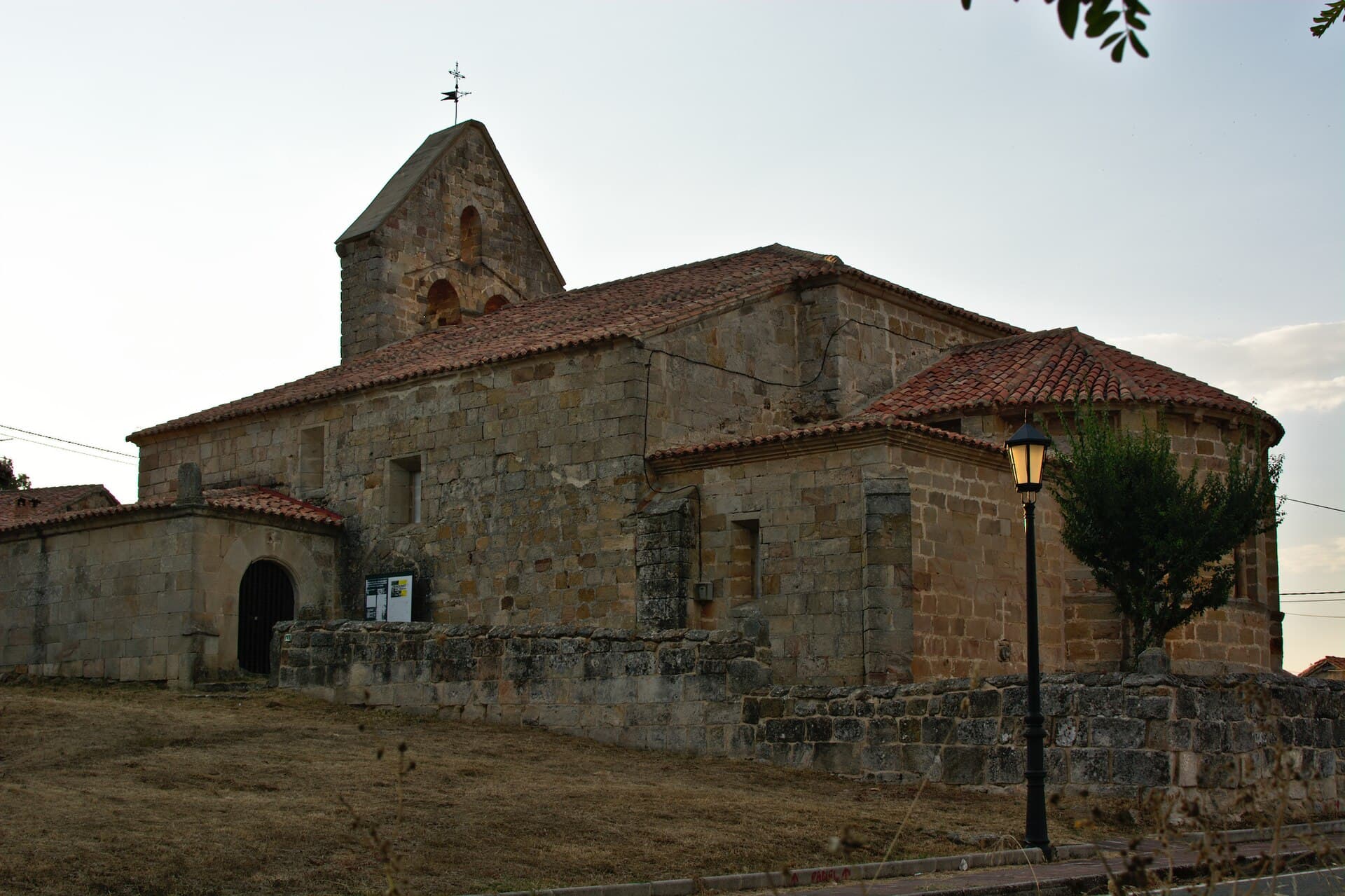
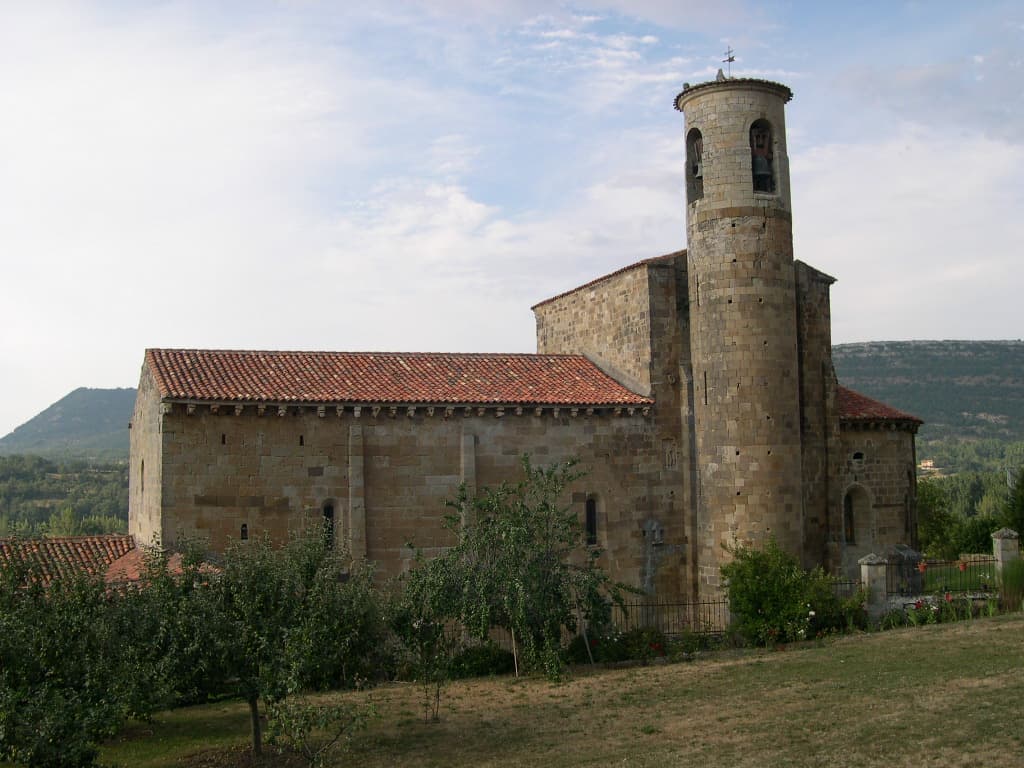
Perched on a gentle rise above the Ebro river in the rural municipality of Valderredible, this collegiate church ranks among the most complete Romanesque ensembles in Cantabria. Built primarily in the mid-12th century, it preserves its original three-aisled basilica plan, sculpted portals, and a cloister whose capitals display biblical scenes and local flora. The surrounding hamlet remains small and agricultural, so the monument feels embedded in its landscape rather than packaged for tourists.

Architectural Highlights

The west façade features a richly carved doorway flanked by paired columns whose capitals show the Adoration of the Magi and the Massacre of the Innocents. Inside, the nave capitals continue the narrative cycle with Daniel in the lions’ den and the raising of Lazarus. A short flight of steps leads to the raised choir, where visitors can examine the original 13th-century stalls and the octagonal lantern tower that floods the crossing with light. The adjacent cloister, though modest in size, contains twenty-two capitals whose motifs range from griffins to vine scrolls, all carved from the same golden sandstone.

How to Get There

The church lies roughly 90 km south of Santander. Drivers follow the N-623 to Reinosa, then the CA-273 through the Ebro valley; the final approach is a narrow local road signposted to San Martín de Elines. Public transport is limited; a regional bus reaches the nearby village of Polientes twice daily, from where a 4 km walk or taxi completes the journey. Cyclists appreciate the quiet secondary roads that link the church with other Romanesque sites along the Ebro.

Best Time to Visit and Practical Advice

Spring (April–June) and early autumn (September–October) offer mild temperatures and fewer visitors. Summer can be hot and dry, while winter brings occasional frost that makes the stone floors slippery. The site is best appreciated in the morning when raking light accentuates the relief carving. Allow at least ninety minutes for a unhurried visit, including time in the small interpretive garden that explains the iconography.

Nearby Places Worth Combining

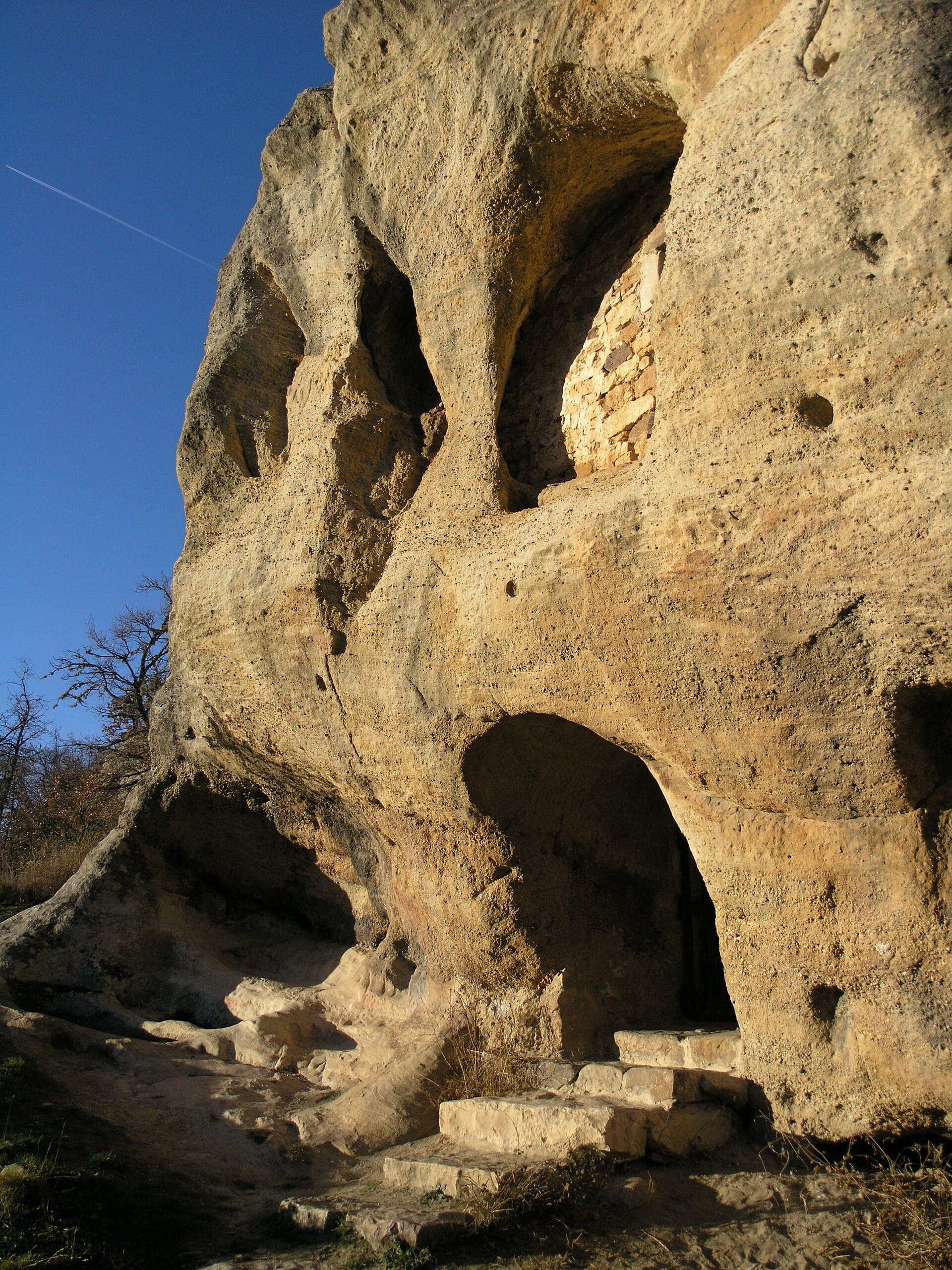
Ten minutes by car lies the rock-cut church of Santa María de Valverde, while the larger Romanesque complex at San Andrés de Valdelomar is twenty minutes farther. The source of the Ebro at Fontibre and the medieval bridge at Puente de Arenas provide pleasant stops for those traveling the full valley route.

Visitor tips

  • Park in the signed area beside the hamletu2019s small square; the narrow lanes around the church do not accommodate larger vehicles.
  • Bring a flashlight or use your phoneu2019s torch to examine the darker corners of the crypt and cloister, where carving details are otherwise hard to see.
  • Combine the visit with a picnic in the riverside meadows; there are no cafu00e9s in the immediate hamlet.

Frequently asked questions

How long does a typical visit take?+

Most visitors spend between 60 and 90 minutes exploring the church, cloister, and surrounding grounds at a relaxed pace.

Is the site suitable for visitors with limited mobility?+

The main nave is level, but the cloister and choir are reached by short flights of stone steps; assistance may be needed.

Are guided tours available?+

Local volunteers occasionally offer free explanations on weekends; otherwise the visit is self-guided with clear interpretive panels.

What should I wear?+

Comfortable shoes with good grip are recommended, as the stone floors can be uneven and occasionally damp.

Can I photograph inside the church?+

Photography without flash is permitted throughout the monument; tripods are not allowed.

Share
Google Maps Apple Maps Directions

Image: PiiXiieeS · CC BY-SA 3.0 · via Wikimedia Commons

Keep reading

Nearby & related

All stories
Iglesia románica de San Martín de Valdelomar: Cantabria’s Quiet 12th-Century Treasure
Valderredible

Iglesia románica de San Martín de Valdelomar: Cantabria’s Quiet 12th-Century Treasure

Explore the stonework, setting, and peaceful atmosphere of this well-preserved Romanesque church in the heart of…

11 November 2026
Rock Carved Hermitage of San Acisclo and Victoria, Arroyuelos: A Hidden Cantabrian Sanctuary
Valderredible

Rock Carved Hermitage of San Acisclo and Victoria, Arroyuelos: A Hidden Cantabrian Sanctuary

This ancient rock-hewn hermitage in Valderredible offers a rare glimpse into early medieval cave architecture amid the…

11 November 2026