Why Red Man Mountain Stands Out
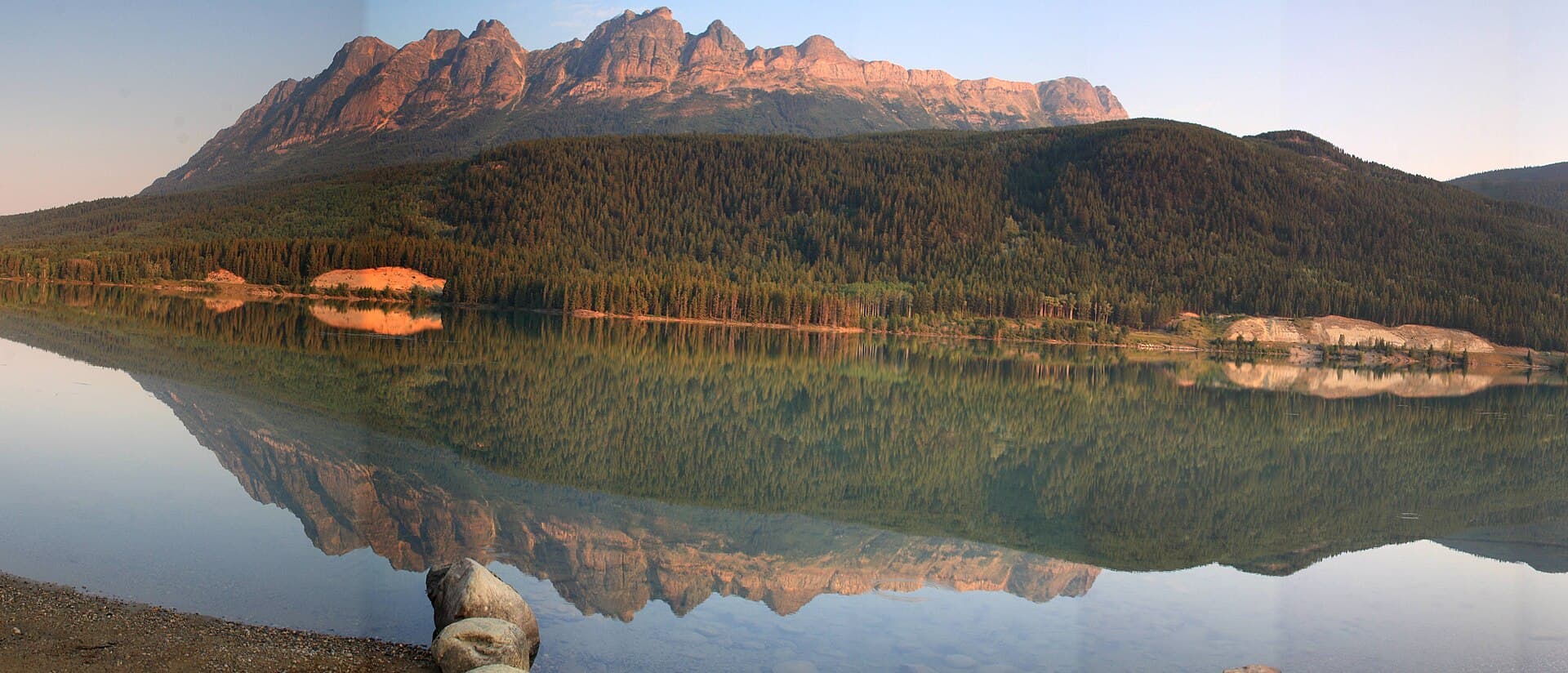
Red Man Mountain rises in the Canadian Rockies of southeastern British Columbia, offering hikers a quieter alternative to crowded peaks near Banff. Its distinctive reddish rock faces and open ridges deliver sweeping views across the Purcell Mountains and into Kootenay National Park without the heavy foot traffic of more famous summits.
Trails and What to Expect
The primary route follows an old logging road that transitions into a steep singletrack climb through mixed forest and subalpine meadows. Hikers gain steady elevation past small tarns and rocky outcrops before reaching the broad summit plateau. The terrain mixes loose scree with solid rock steps, rewarding steady pacing with 360-degree panoramas that include distant glaciers and the sharp profiles of the Vermilion Range.
Wildflowers carpet the upper slopes in midsummer, while late-season hikers often spot mountain goats along the ridges. No technical climbing gear is required for the standard ascent, though good balance and route-finding skills help on the final boulder field.
Getting There
Access begins from Highway 93/95 between Radium Hot Springs and Golden. Turn onto the signed forestry road that leads toward the mountain’s eastern flank; high-clearance vehicles handle the gravel sections best, especially after rain. Parking areas sit at the trailhead with space for a modest number of cars. From there the hike starts immediately, climbing away from the road into the trees.
Best Time to Visit
July through September brings the most reliable trail conditions once snow has melted from the upper slopes. Early summer offers vibrant wildflowers but may still have lingering snow patches. Autumn provides crisp air and fewer insects, though sudden temperature drops can arrive quickly. Winter visits require avalanche awareness and backcountry skiing experience.
Nearby Attractions
Combine a Red Man Mountain hike with a soak at Radium Hot Springs or a drive through Kootenay National Park’s Marble Canyon. The town of Invermere lies within an hour’s drive for supplies and lodging, while Golden offers additional trail networks in the Columbia Valley.