Why Puig de sa Rateta Is Worth the Effort
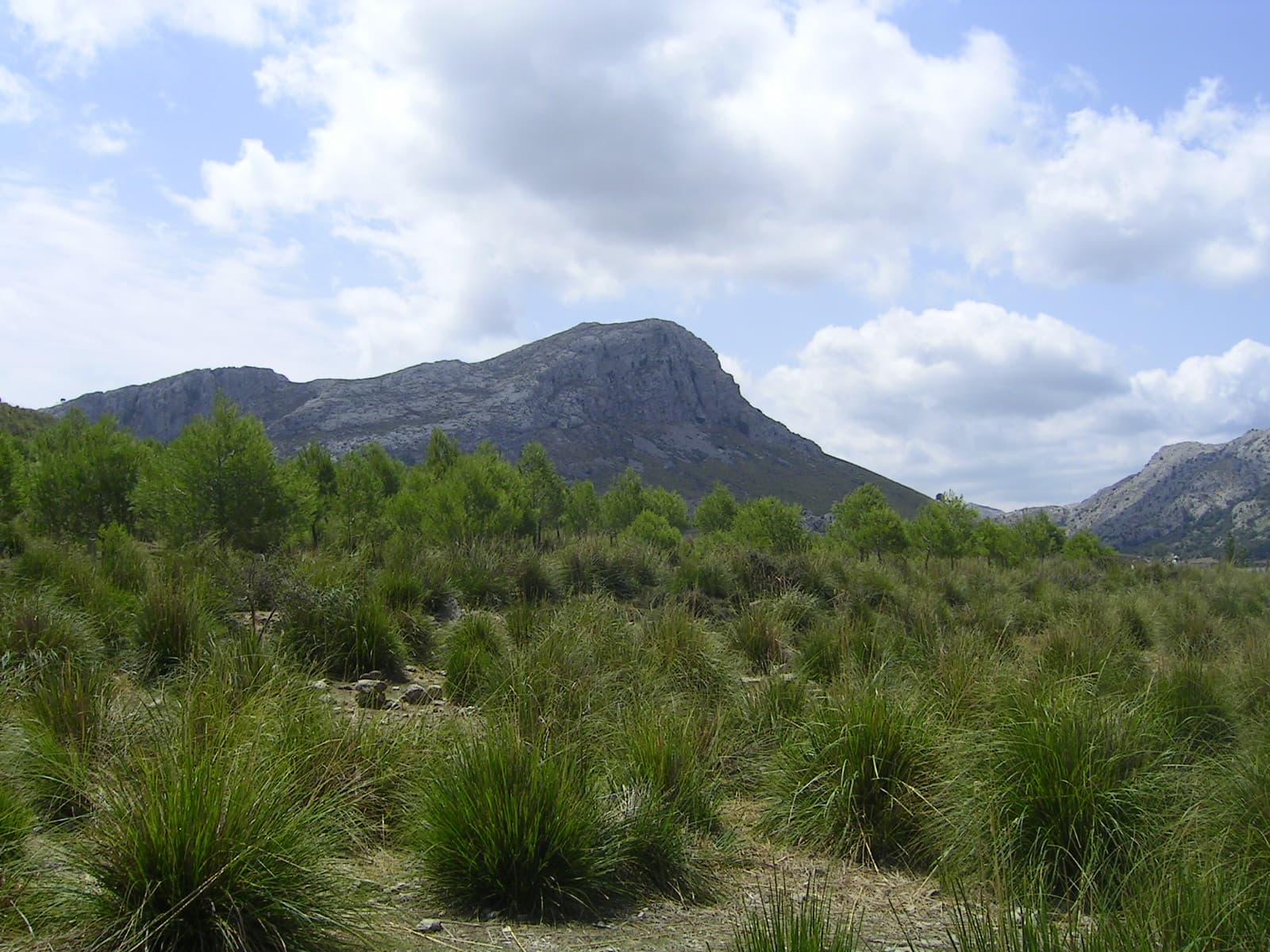
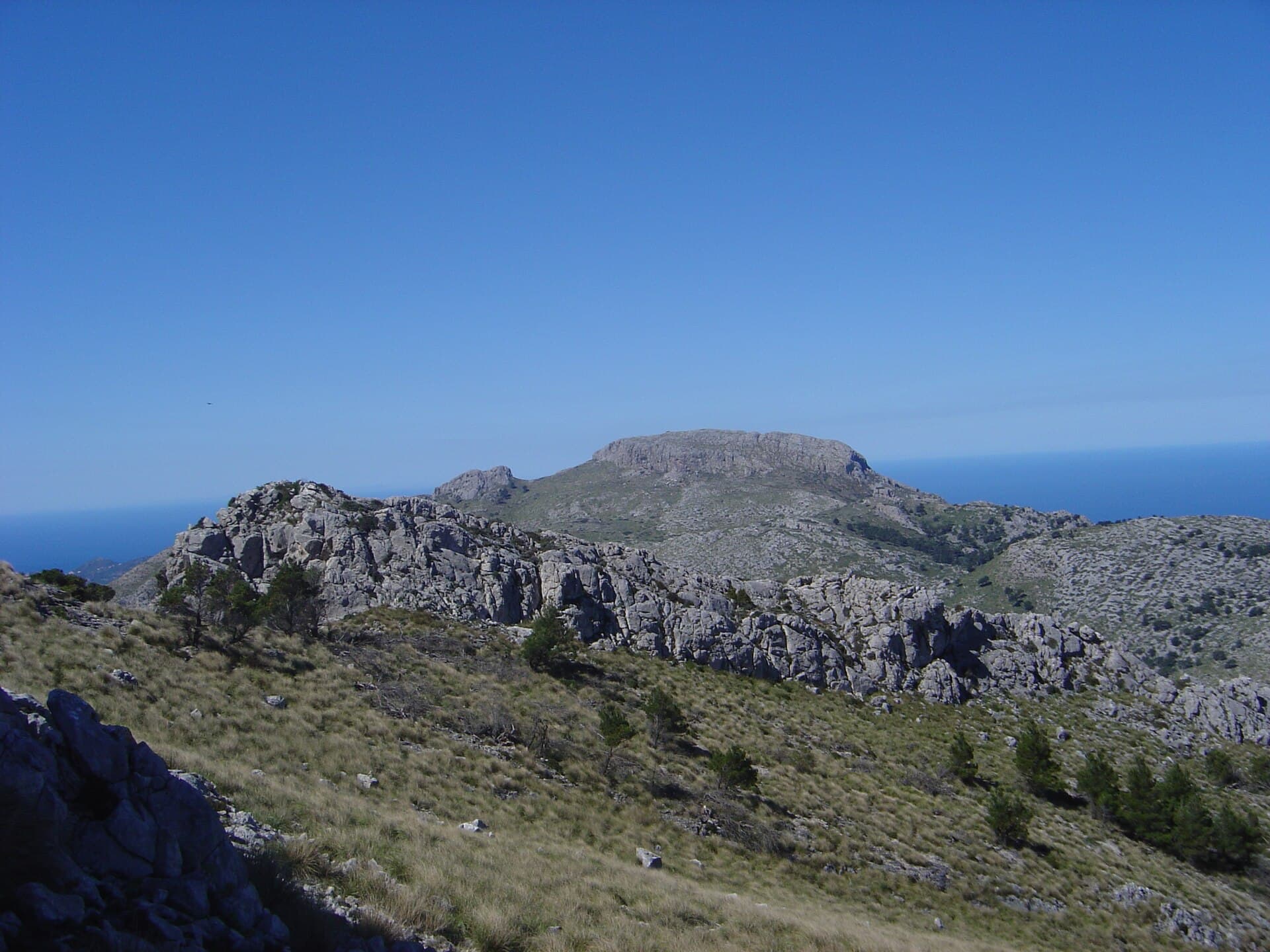
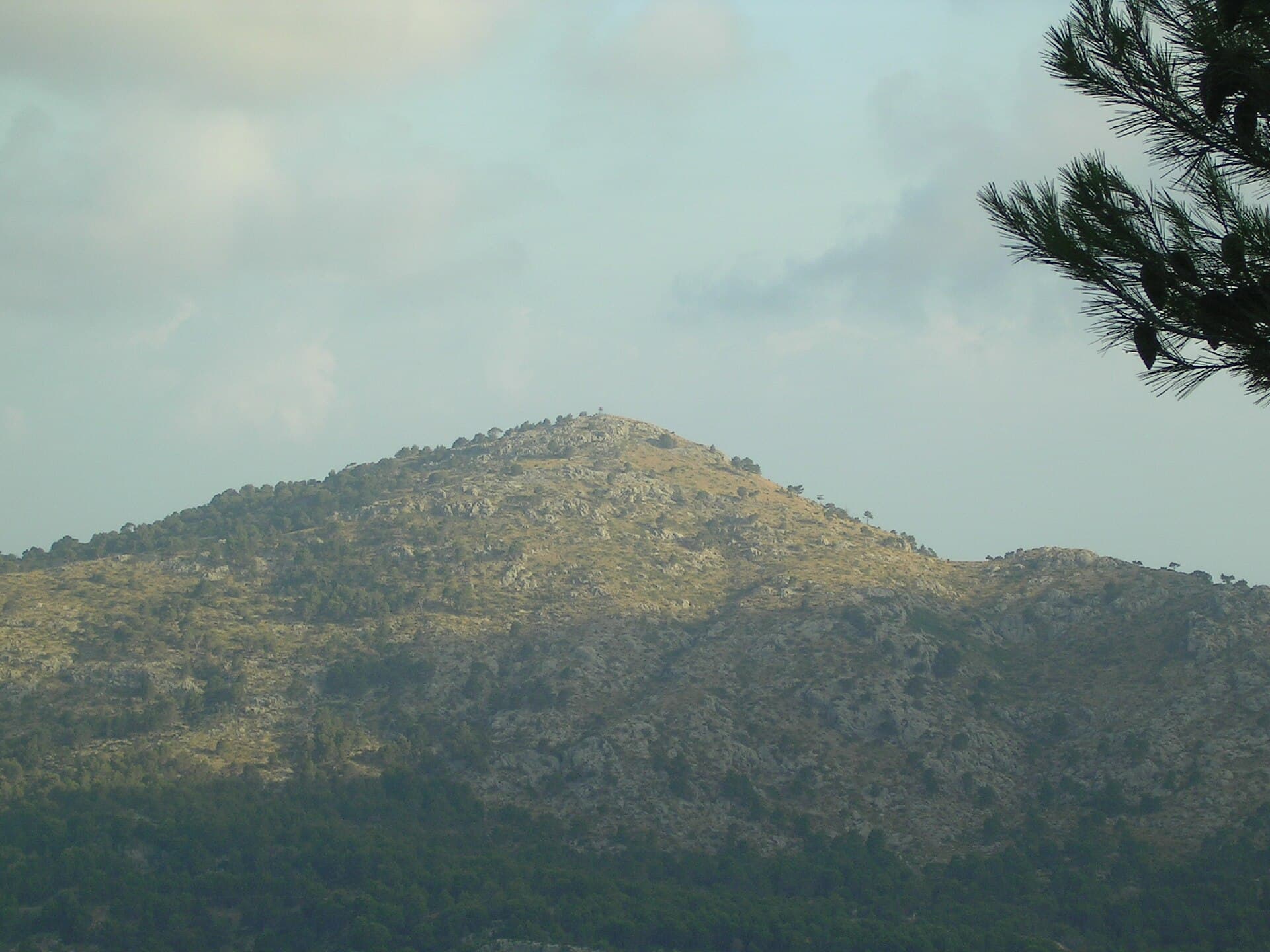
Puig de sa Rateta rises above the northwestern slopes of Mallorca’s Tramuntana range, delivering 360-degree panoramas that stretch from the dramatic coastline near Deià to the pine-covered ridges of the interior. Its moderate height and relatively quiet trails make it ideal for hikers seeking the classic Tramuntana landscape without the heavy foot traffic found on more famous peaks.
The Hike to the Summit
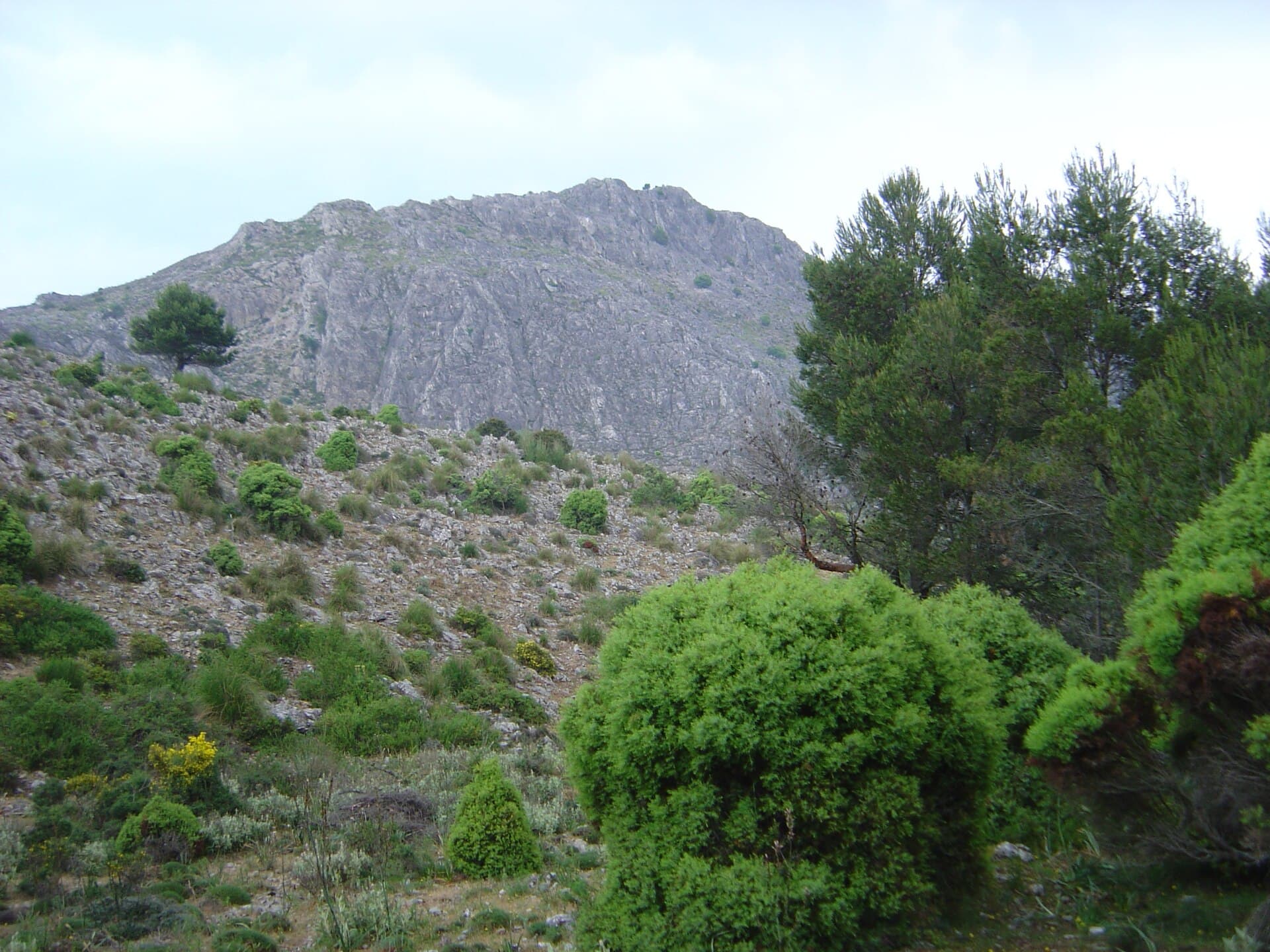
The most common route begins near the village of Valldemossa and follows well-marked paths through terraced olive groves and fragrant pine forest. Expect a steady climb on rocky terrain with occasional sections of loose scree near the top. The final approach rewards with open limestone slabs and unobstructed views across the Mediterranean. Allow three to four hours round-trip for the full outing, including time at the summit.
Flora and Fauna
Look for endemic Balearic species such as the Mallorca wall lizard basking on rocks and the distinctive black vultures that occasionally soar overhead. In spring, the slopes are dotted with wild orchids and rosemary; autumn brings cooler air and clearer visibility for long-distance views.
Best Time to Visit
April through June and September through October offer the most comfortable temperatures and stable weather. Summer visits are possible but require an early start to avoid midday heat. Winter can bring crisp conditions and occasional snow on the higher ridges, transforming the landscape but demanding extra caution.
Getting There and Practical Access
Public buses connect Palma with Valldemossa; from the village, a short taxi ride or additional walking reaches the trailhead. Drivers should use the limited parking areas along the MA-10 road and arrive early on weekends. No facilities exist at the summit, so carry all supplies.
Nearby Attractions
Combine the hike with a visit to the historic center of Valldemossa or the coastal path at Deià. The GR-221 dry-stone route passes close by, allowing extensions toward other Tramuntana summits such as Puig de Massanella.