Keep reading
Nearby & related
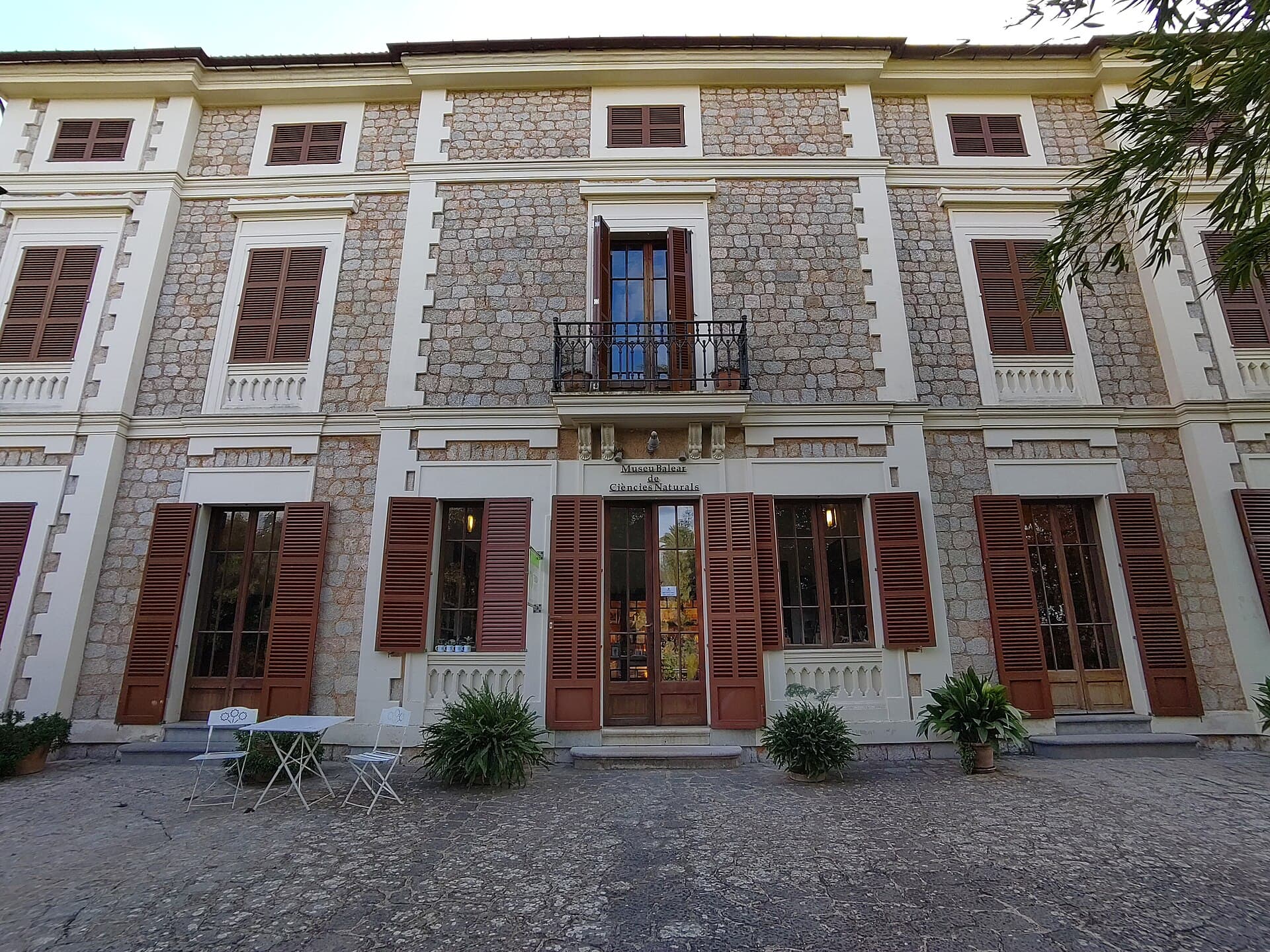
Museu Balear de Ciències Naturals: Mallorca’s Window into Balearic Biodiversity
Explore the islands’ geology, endemic plants, and wildlife at this focused natural-history museum in Sóller.
21 September 2026
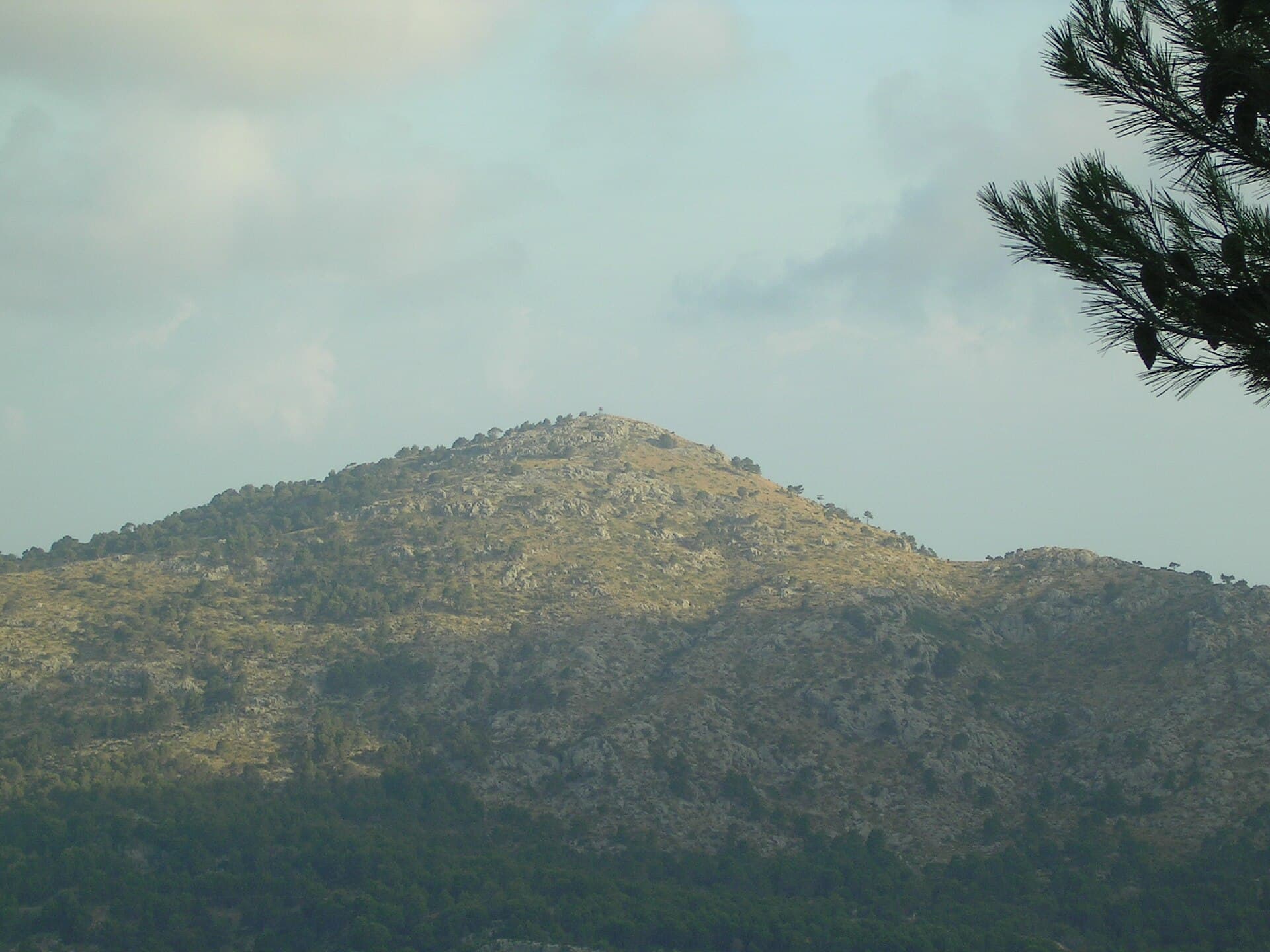
A rewarding hike to sweeping Mediterranean views on this lesser-known peak in the Balearic Islands.
Located in Mallorca’s Serra de Tramuntana, Puig de la Bassa offers hikers a quieter alternative to busier peaks while delivering classic island scenery of terraced valleys, olive groves, and the distant sea. The mountain’s modest height and well-marked paths make it accessible yet satisfying for those seeking panoramic 360-degree views without the crowds of more famous Tramuntana summits.
The most common approach begins near the village of Fornalutx or along the old stone trails that connect to the GR-221 dry-stone route. Walkers ascend through fragrant pine forest and open rocky slopes before reaching the summit cairn. On clear days the vista stretches from the northern coast near Sóller across to the Puig Major massif and southward toward the central plain. The terrain is rocky in places, so sturdy footwear is essential, yet the route remains straightforward for reasonably fit visitors.
Along the way you will pass endemic Balearic species including the rare Ferrer’s swift and clusters of wild rosemary and thyme. In spring the slopes are dotted with wild orchids; in autumn the air carries the scent of fallen pine needles. The mountain forms part of a protected natural area, so staying on marked paths helps preserve the fragile ecosystem.
Most visitors arrive by car from Palma, taking the Ma-11 toward Sóller and then narrow mountain roads to trailheads near Fornalutx or Biniaraix. Limited bus service reaches nearby villages, after which a short taxi or additional walking is required. Once at the trailhead, clear signage and stone cairns guide the way; GPS coordinates help confirm the correct starting point.
Spring (March–May) and autumn (September–November) provide the most comfortable temperatures and fewer visitors. Summer brings intense heat and the risk of wildfires, while winter can deliver crisp air but occasional snow on higher slopes. Early morning starts are recommended year-round to enjoy cooler conditions and maximize visibility.
After descending, combine the hike with a visit to the terraced gardens of Fornalutx, the historic Sóller tram, or the coastal paths around Port de Sóller. The entire Tramuntana range offers further trails for those wanting multi-day exploration.
Keep reading
Explore the islands’ geology, endemic plants, and wildlife at this focused natural-history museum in Sóller.
The route is rated moderate. It involves steady elevation gain on rocky paths but does not require technical climbing or scrambling.
Experienced walkers with good fitness can manage it, but young children may struggle with the steeper, uneven sections. Shorter out-and-back options exist for less ambitious groups.
No. There are no huts, fountains, or restrooms along the trail, so bring everything you need and pack out all waste.
Turn back immediately if clouds build or wind increases. The Tramuntana range is known for rapid weather shifts, and the upper slopes become slippery when wet.
Yes. The summit provides unobstructed views ideal for sunrise or late-afternoon shots of the coastline and surrounding peaks, especially in spring when wildflowers are blooming.
A straightforward ascent to sweeping views across northeastern Mallorca’s coastline and countryside.
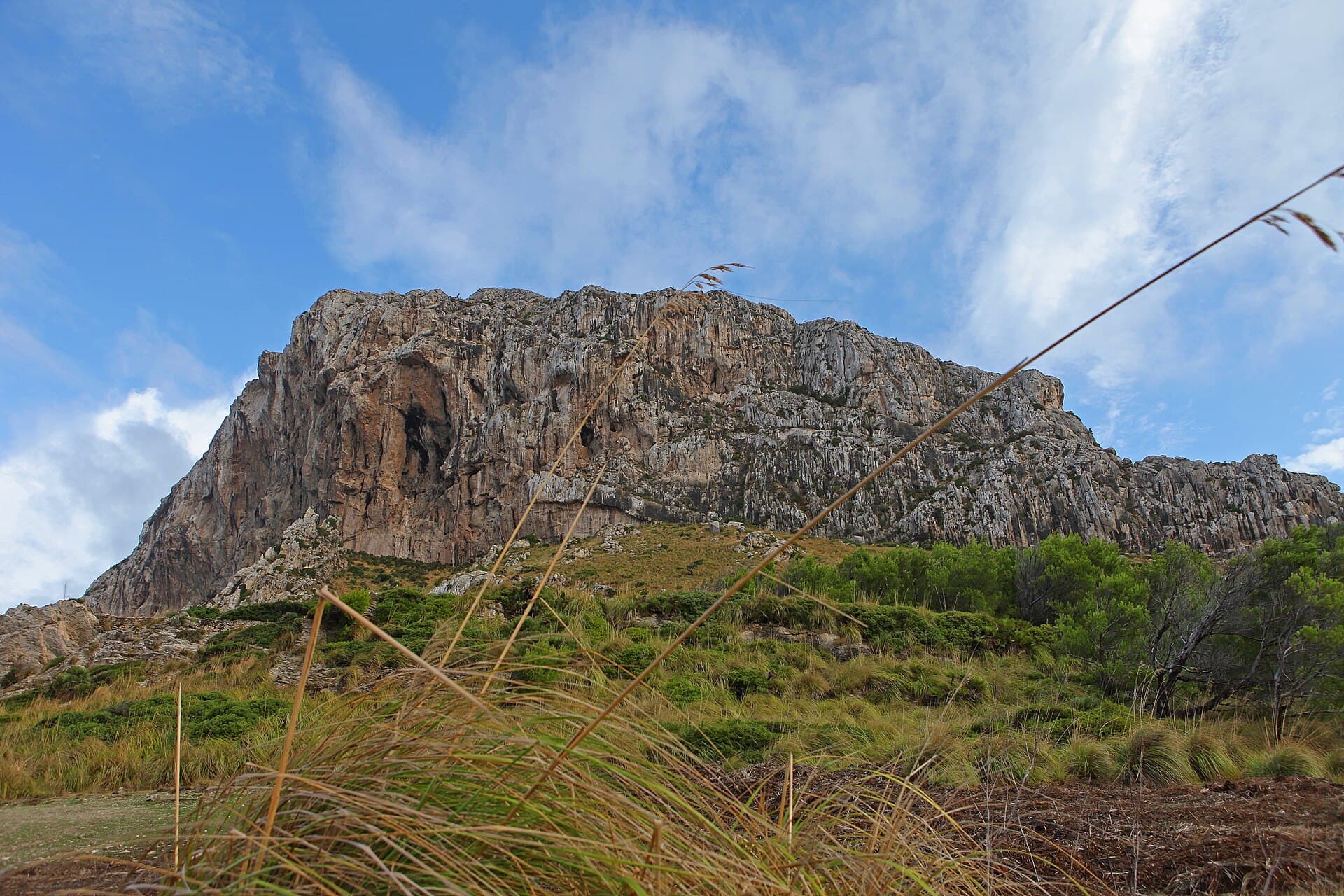
Scale the rugged summit of El Fumat for sweeping coastal views across Menorca’s wild north.