Why Visit Princess Royal Island
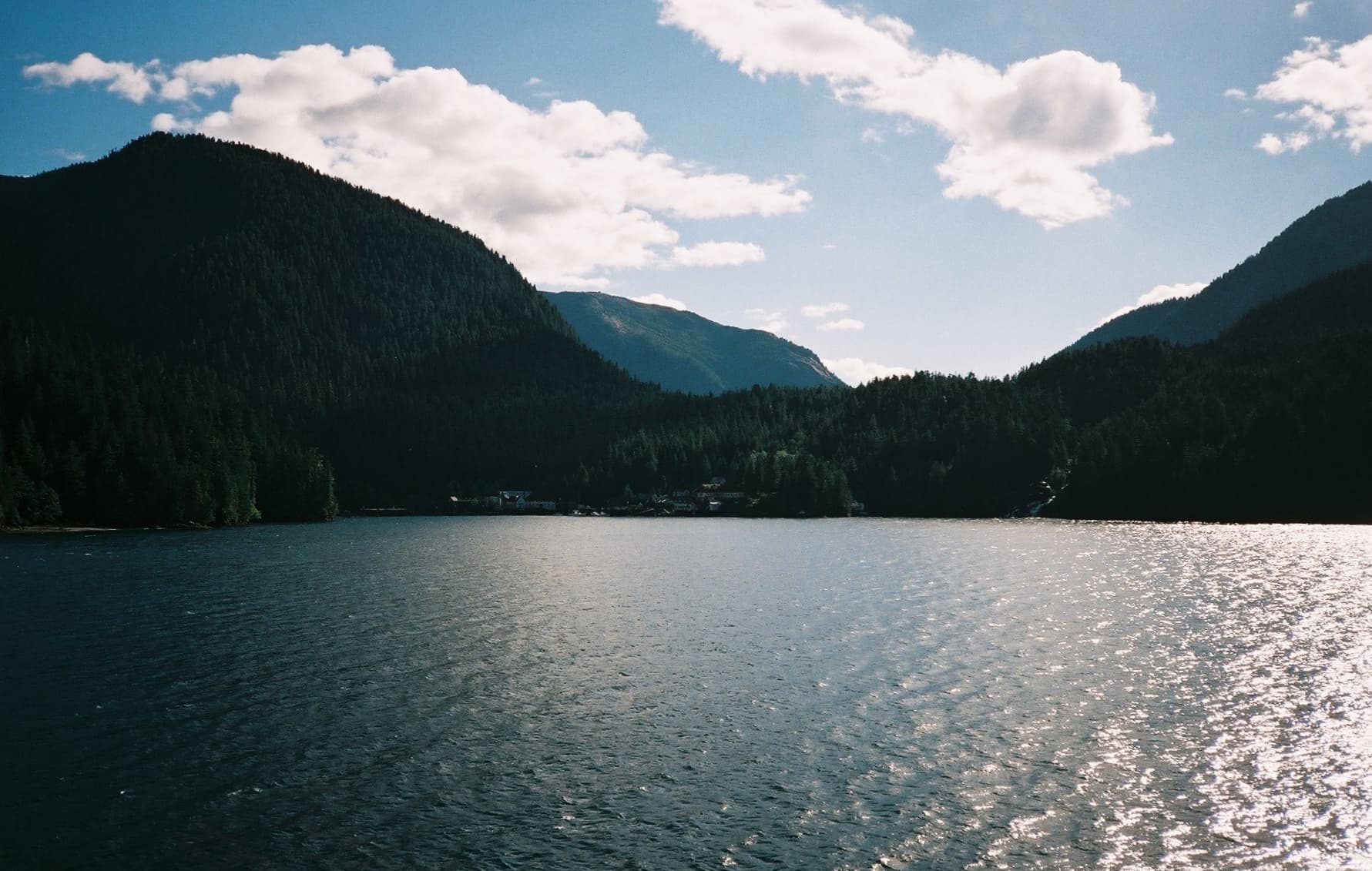
Princess Royal Island sits in the heart of British Columbia’s central coast, offering visitors a genuine immersion in the Great Bear Rainforest. Its rugged shoreline, old-growth cedar and hemlock forests, and sheltered inlets provide habitat for one of the highest concentrations of Kermode bears, also known as spirit bears. The island’s remote location means few crowds and an authentic sense of wilderness that larger, more accessible parks cannot match.
Wildlife Viewing
The star attraction remains the white-phase black bear. These animals appear along salmon streams from late summer into early fall. Visitors may also spot grizzlies, black bears, wolves, and coastal deer. Marine life includes humpback whales, orcas, and sea lions that frequent the surrounding channels. Birders can watch for marbled murrelets, bald eagles, and various seabirds nesting on offshore rocks.
Best Activities
- Guided bear-viewing excursions from small boats or shore-based platforms
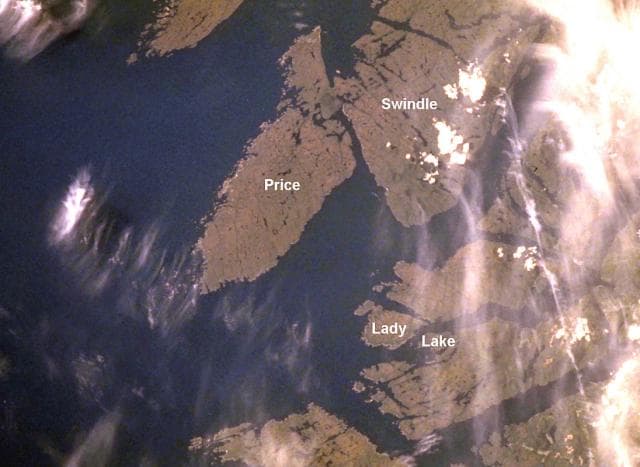
- Kayaking protected inlets and narrow passages between Princess Royal and adjacent islands
- Short hikes on established trails through mossy rainforest
- Photography of dramatic fjords and waterfalls that tumble directly into the sea
Getting There
Most travelers reach the island by boat or floatplane departing from Kitimat, Prince Rupert, or Bella Bella. Multi-day expedition cruises that travel the Inside Passage often include stops or zodiac landings. Independent visitors usually join licensed ecotourism operators because no roads or public ferry service exist on the island itself.
Best Time to Visit
July through September offers the most reliable weather and peak salmon runs that draw bears to the coast. June and early October can also work for those seeking fewer people, though rain is frequent year-round and temperatures remain cool even in summer.
Nearby Destinations
From Princess Royal Island, travelers can continue north toward the Kitlope Heritage Conservancy or south to the waters around Bella Bella. These areas share the same coastal temperate rainforest ecosystem and provide additional opportunities for extended wildlife tours.