Discovering Playa de Benijo
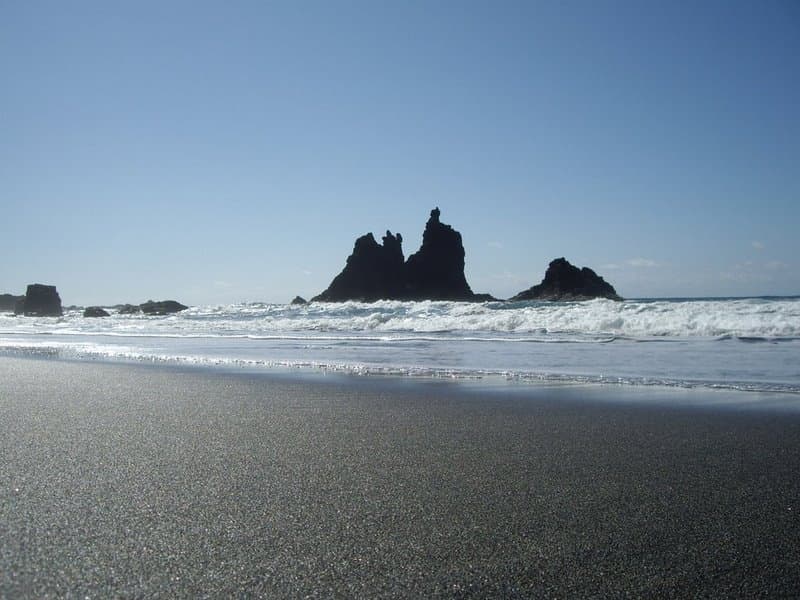
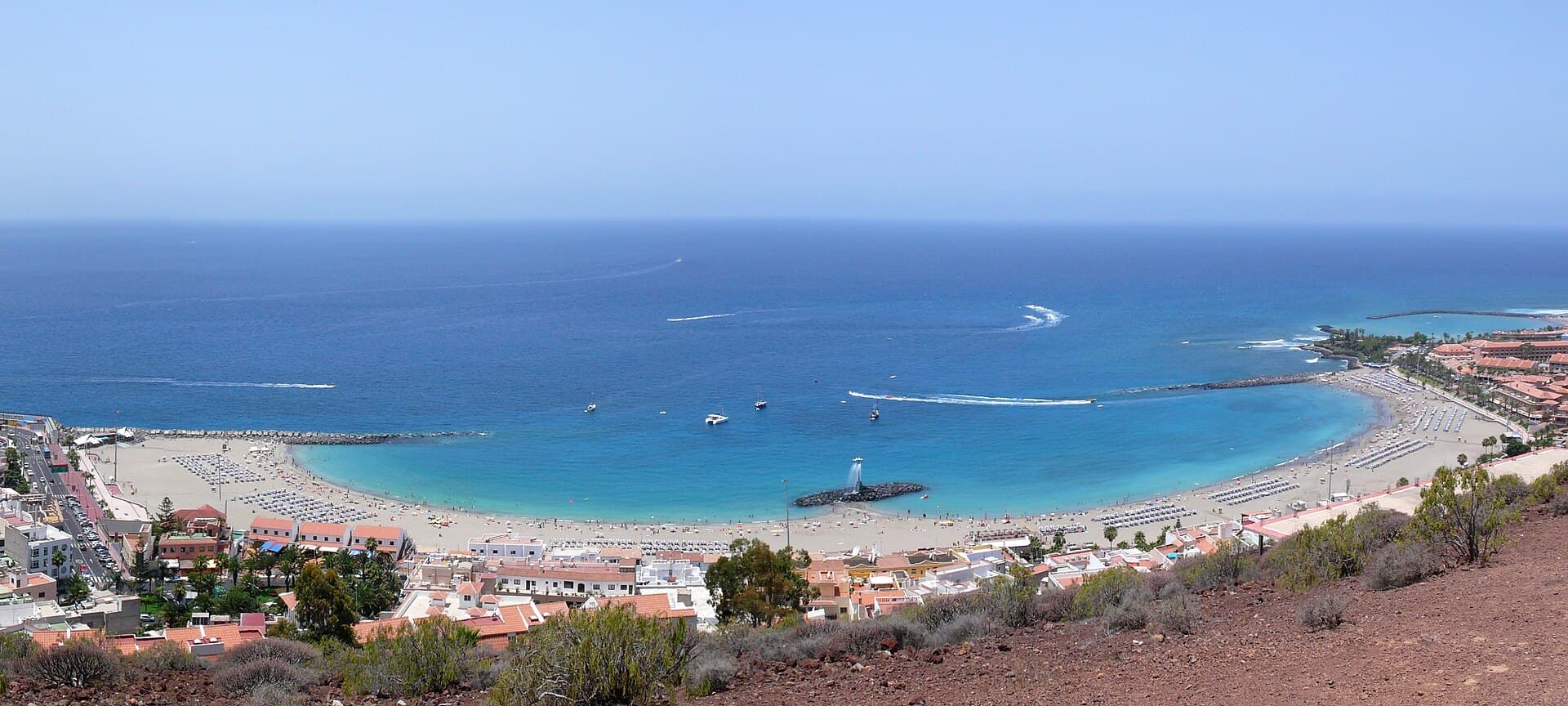
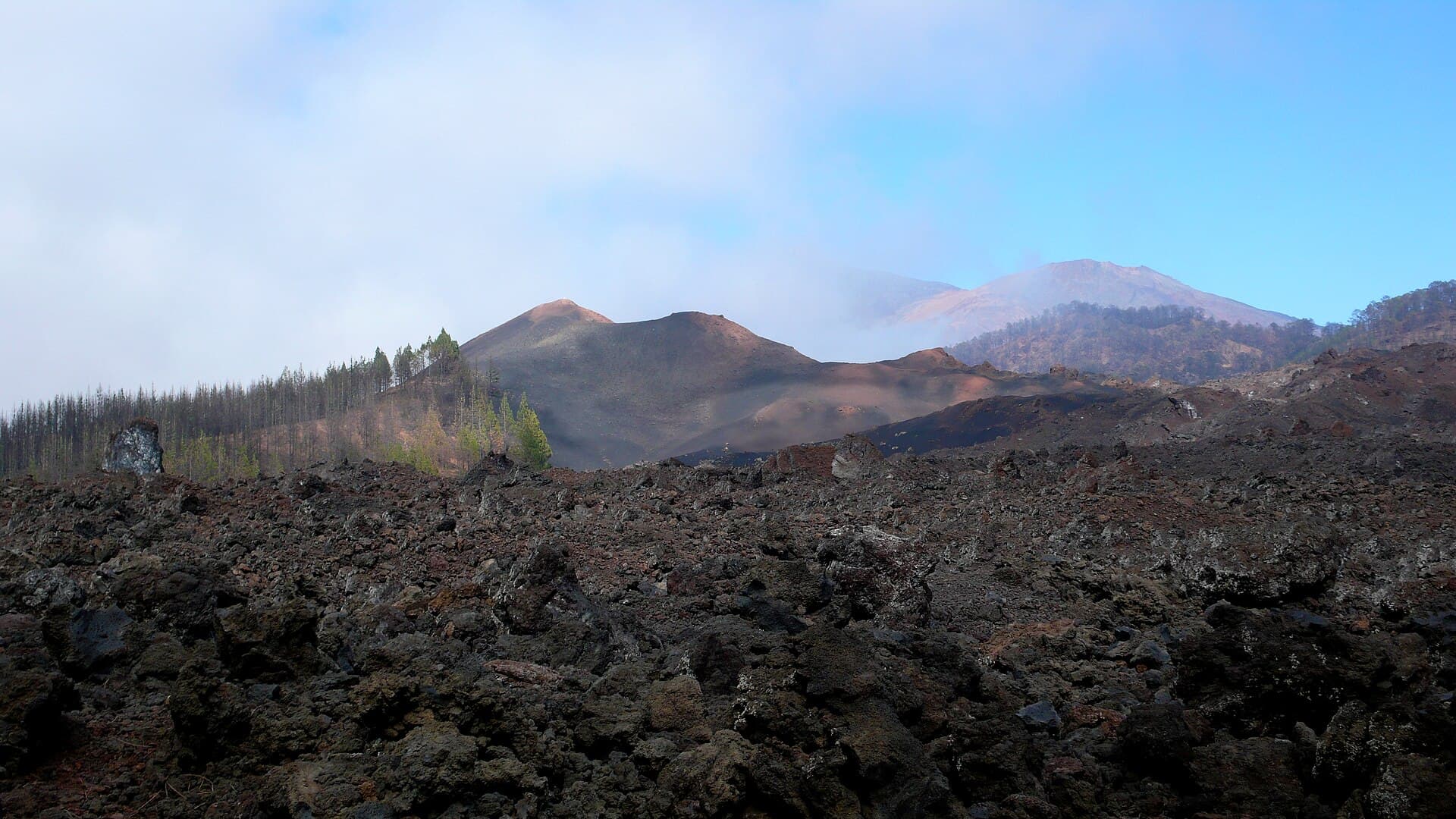
Playa de Benijo lies at the eastern edge of the Anaga Rural Park, where the island’s oldest volcanic terrain meets the open ocean. Unlike the golden sands of southern resorts, this beach consists of dark volcanic pebbles and coarse sand shaped by powerful swells. The setting is framed by sheer basalt cliffs and the terraced slopes of the hamlet of Benijo, giving visitors an immediate sense of the island’s wilder character.
Why This Beach Stands Out
The combination of dramatic geology and relative isolation sets Playa de Benijo apart. Strong currents and the absence of a protective reef produce consistent surf, attracting bodyboarders and intermediate surfers. At low tide, tide pools appear among the rocks, revealing anemones and small fish. The beach’s orientation also makes it one of the better spots on Tenerife’s north coast for watching the sun drop behind the jagged Anaga ridgeline.
Activities on and Around the Beach
Swimming and Water Safety
Swimming is possible but requires caution. The water is deep close to shore and waves can surge unexpectedly. Most visitors wade or sit at the water’s edge rather than venture far out. Lifeguards are not present, so assessing conditions from the cliff path before descending is wise.
Hiking Trails
The beach serves as a starting or finishing point for several marked paths. The PR-TF 4 trail connects Benijo with the village of Taganana and continues into the laurel forests of Anaga. Shorter walks lead to the neighboring coves of Playa de las Gaviotas and Playa del Tapahuga, offering changing perspectives of the coastline.
Photography and Birdwatching
Early morning light illuminates the cliffs and surf. Northern gannets, shearwaters, and occasional ospreys can be seen offshore, especially during migration periods. A short scramble along the eastern rocks provides elevated vantage points for wide-angle shots.
Reaching Playa de Benijo
The only practical access is by road from the TF-134, which descends in a series of tight switchbacks from the ridge above Taganana. Drivers should expect narrow lanes and occasional rockfall. A small parking area sits above the final descent; from there a steep path leads to the beach. Public buses run to nearby Taganana, after which a 30-minute walk downhill is required.
Best Time to Visit
Calmer seas and warmer water temperatures occur from late spring through early autumn. Winter months bring larger Atlantic swells and occasional closure of the access path after heavy rain. Mornings are generally less windy than afternoons, when trade winds pick up along the exposed coast.
Places to Combine with a Visit
Many travelers pair the beach with a stop in Taganana for its historic church and local wine producers, or continue along the ridge road to the viewpoints of El Bailadero and Cruz del Carmen for panoramic views over both coasts of Anaga.