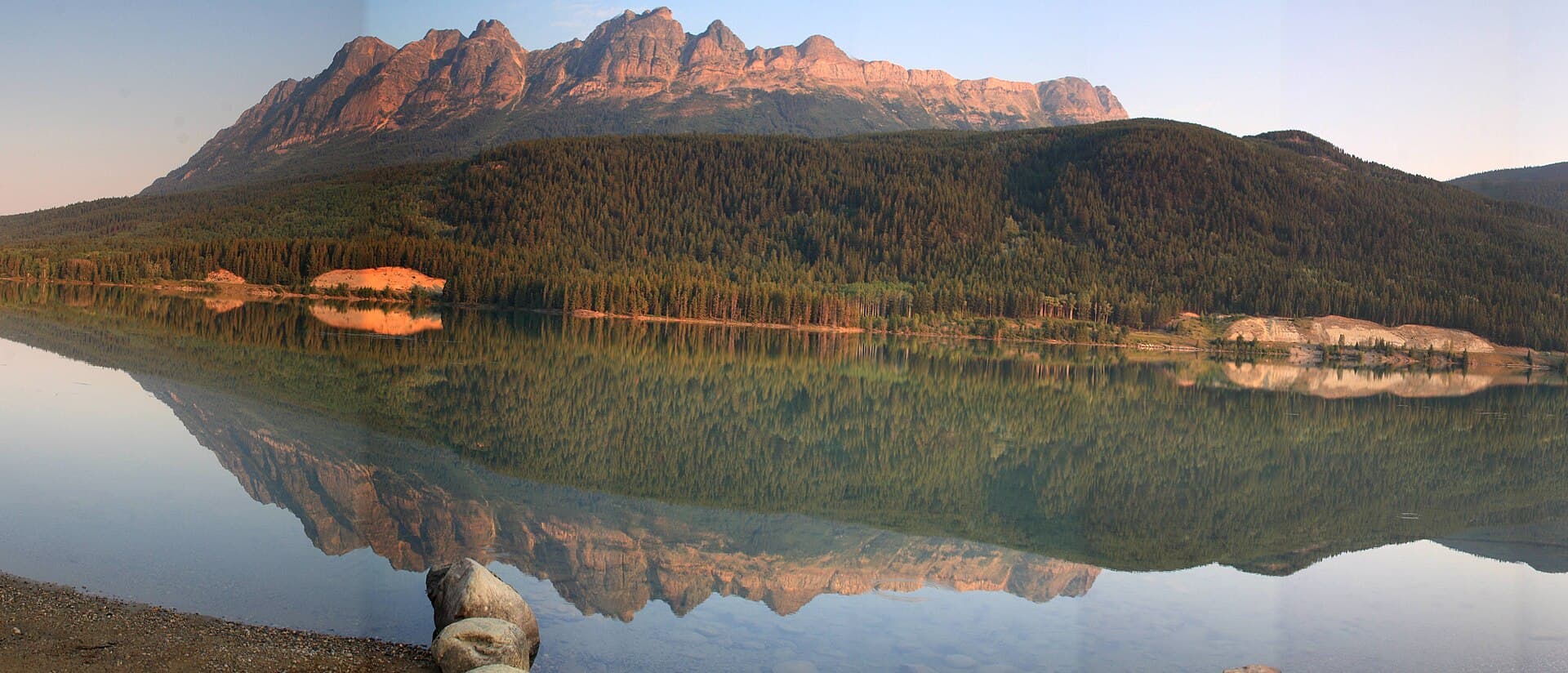
Why Pitt Island Stands Apart
Pitt Island lies in the sheltered waters of the Inside Passage, surrounded by the vast temperate rainforest of British Columbia’s North Coast. Its steep, fjord-cut shoreline and old-growth cedar and hemlock forests create a landscape shaped by heavy rainfall and tidal currents rather than human development. The island remains largely uninhabited, preserving a sense of true remoteness that draws sea kayakers, naturalists, and photographers seeking quiet encounters with coastal wildlife.
How to Reach Pitt Island
Access is by boat or floatplane from Prince Rupert, the nearest hub with scheduled air service. Charter operators and water-taxi services depart from the city’s waterfront; travel time varies with weather and tide. Visitors typically base themselves on a vessel or arrange multi-day guided trips, as no public facilities exist on the island itself.
Best Time to Visit
The driest and most stable conditions occur from late May through early September. Summer daylight lasts long, allowing extended days on the water, while herring and salmon runs attract feeding humpback whales, orcas, and seabirds. Spring and fall offer fewer visitors but bring stronger winds and rain; winter travel is limited by frequent storms and short daylight.
Activities on and Around the Island
Kayaking the protected channels between Pitt and surrounding islets reveals tide pools, sea otters, and harbor seals. Short hikes along deer trails lead to old-growth stands and occasional viewpoints overlooking Chatham Sound. Wildlife viewing focuses on black bears foraging along beaches at low tide and migratory birds nesting on rocky headlands. Fishing for salmon and halibut is possible with proper licenses, though most visitors prioritize photography and quiet observation.
Nearby Destinations
Day trips or extended itineraries often combine Pitt with nearby Porcher Island or the more northerly waters of Grenville Channel. The historic fishing community of Hartley Bay, south of Pitt, provides a resupply point and glimpse of Gitga’at culture. Further afield, the Khutzeymateen Grizzly Bear Sanctuary offers a contrast in protected mainland inlets.
Respecting the Landscape
Because the island has no maintained trails or campgrounds, travelers must practice strict Leave No Trace principles. Tidal changes are dramatic; careful timing prevents being stranded on exposed reefs. Cell service is nonexistent, so satellite communication and detailed marine charts are essential.