Why Pico de San Carlos Stands Out
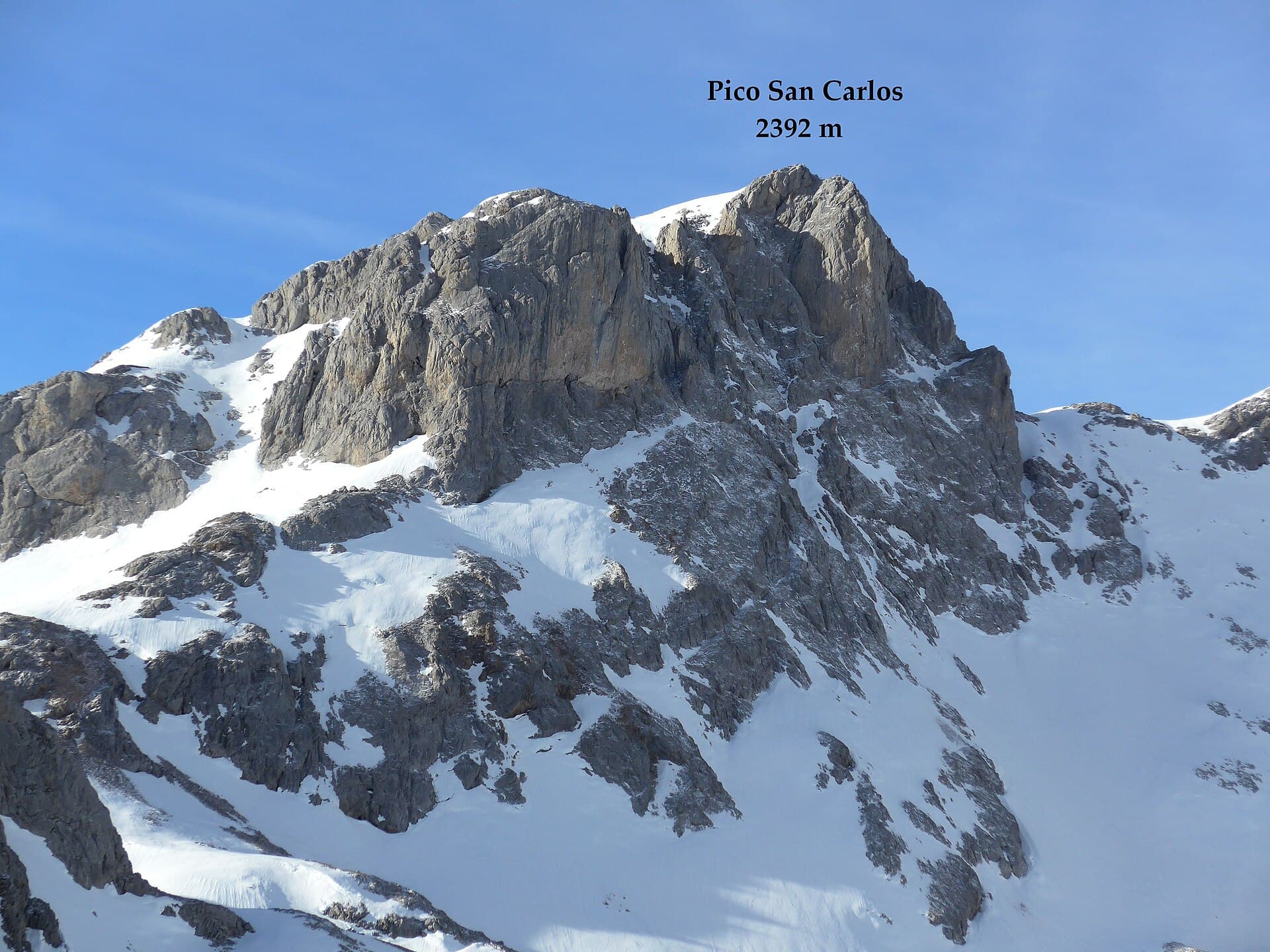
Pico de San Carlos rises in the Cantabrian Mountains of northern Spain, offering hikers a rewarding climb without the crowds that gather on better-known Picos de Europa summits. The mountain rewards visitors with wide views across green valleys, limestone ridges, and distant coastline on clear days.
Trails and What to Expect
Most routes start from small villages or high passes reachable by narrow roads. Paths climb steadily through beech woods and open meadows before reaching rocky slopes near the top. The final section often involves light scrambling on stable rock. Hikers should allow four to six hours round-trip depending on the starting point and fitness level.
Flora and Fauna
The slopes support typical Cantabrian mountain plants including heather, bilberry, and seasonal wildflowers. Keep an eye out for griffon vultures soaring overhead and occasional chamois on distant crags.
Best Time to Visit
Late spring through early autumn provides the most reliable conditions. Snow can linger into May on north-facing slopes, while summer brings longer days and warmer temperatures. Autumn offers quieter trails and changing foliage. Winter visits require mountaineering experience and proper gear due to ice and short daylight.
Getting There
The mountain lies within easy reach of Santander by car via the A-8 motorway and smaller regional roads. Public buses serve larger villages in the area; from there, hikers often arrange taxis or walk to trailheads. Parking is usually available at roadside passes or village outskirts.
Nearby Attractions
Combine a visit with stops in traditional mountain villages known for cheese and cider production. Nearby river gorges and limestone caves provide additional half-day excursions. The broader Cantabrian coast, with its beaches and fishing ports, lies less than an hour’s drive north.