Why Visit Phu Makhuea
Phu Makhuea rises in the far north of Preah Vihear Province near the Thai border, offering hikers a quieter alternative to the better-known temple sites in the region. The mountain’s slopes support mixed deciduous forest and grasslands that change with the seasons, while clear days reveal distant ridges and the flat plains stretching toward the Dangrek Mountains.
Trails and What to Expect
Several informal paths leave from the base villages and ascend through bamboo groves and open clearings. The most popular route climbs steadily to a broad saddle with panoramic views; the round trip typically takes four to six hours for fit walkers. Birdlife is abundant, especially in the early morning, and the open terrain makes navigation straightforward with a local guide.
Best Time to Visit
The cooler dry months from November through February provide the most comfortable temperatures and clearest skies. March and April bring hotter days and the possibility of haze from agricultural burning, while the May-to-October rainy season turns trails muddy and increases leech activity.
Getting There
Phu Makhuea lies roughly 30 kilometers east of Preah Vihear town. Most visitors travel by motorbike or hired car along National Road 64, then turn onto smaller laterite roads that lead to trailheads near the villages of Choam Khsant or nearby settlements. A local guide is strongly recommended because signage is minimal and some paths cross private farmland.
Nearby Attractions
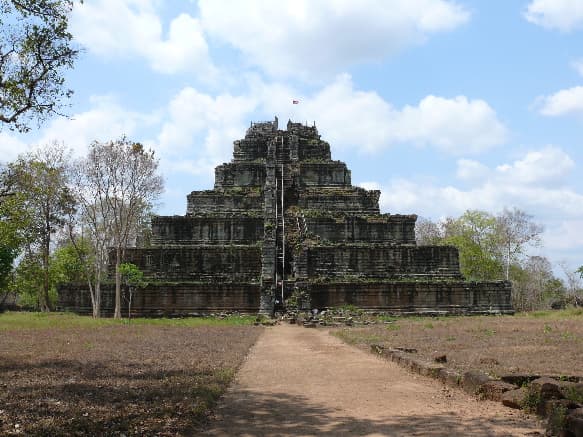
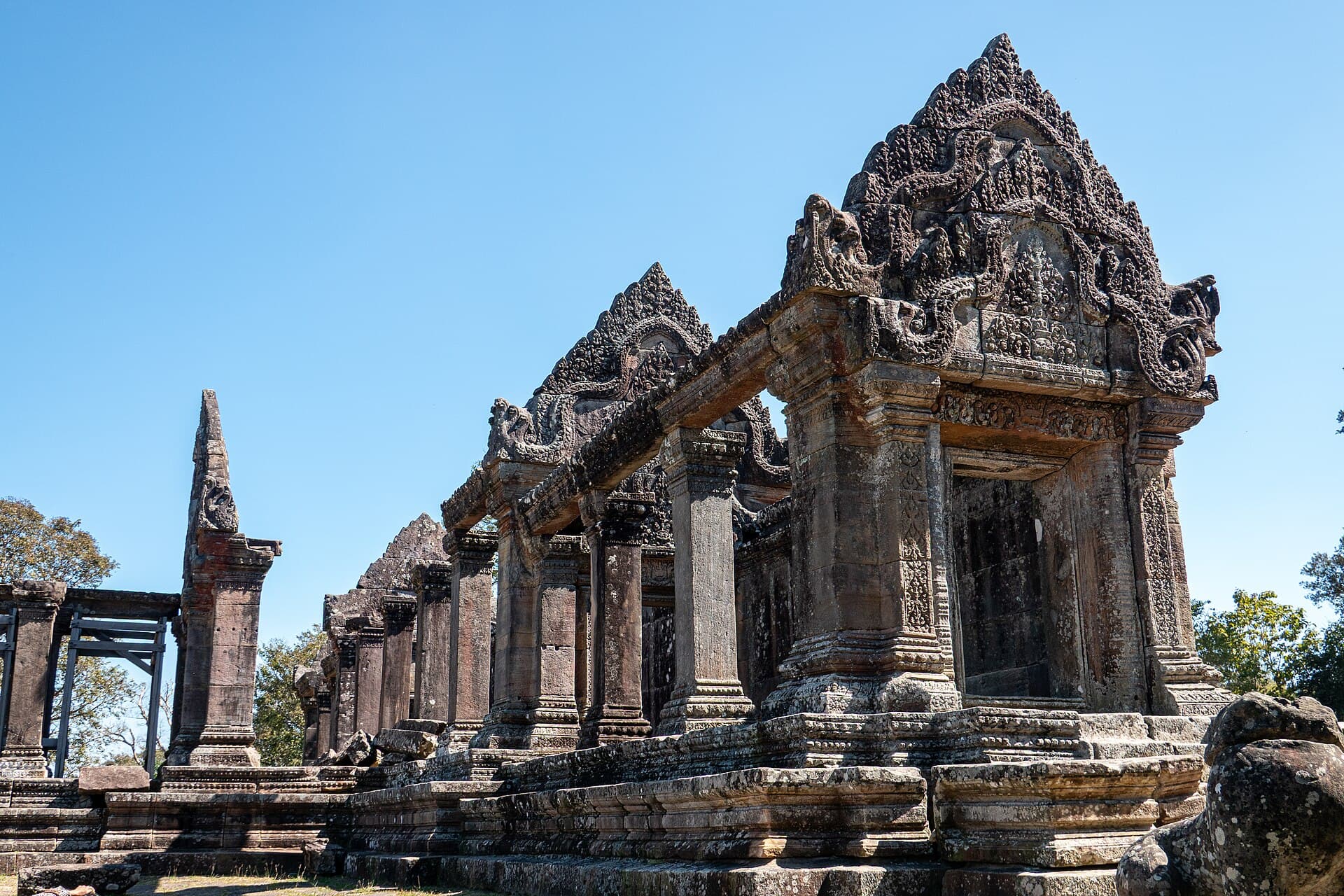
Combine a mountain hike with a visit to the UNESCO-listed Preah Vihear Temple, about an hour’s drive west. The temple’s hilltop location offers its own dramatic views and pairs naturally with a day on Phu Makhuea. Travelers can also explore the smaller, less-visited Koh Ker group of temples farther south if time allows.
Practical Considerations
Carry at least two liters of water per person, wear sturdy shoes, and apply sunscreen and insect repellent. Mobile coverage is patchy once you leave the main road, so inform your guesthouse of your plans. Overnight camping is possible on the upper slopes but requires permission from village authorities and proper preparation for cool nights.