
Keep reading
Nearby & related
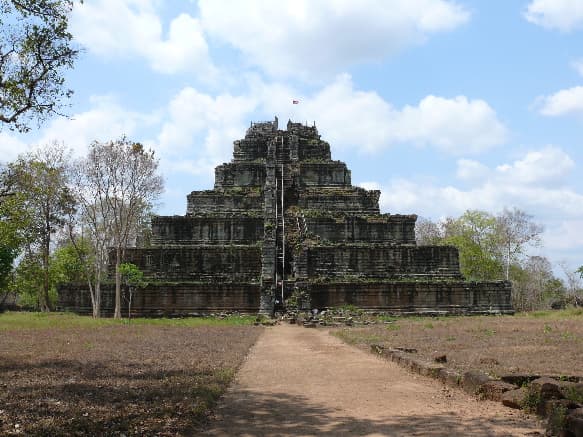
Koh Ker: Cambodia’s Forgotten Khmer Capital in the Jungle
Venture beyond Angkor to the remote 10th-century ruins of Koh Ker, where a seven-tiered pyramid and jungle-shrouded…
19 October 2026
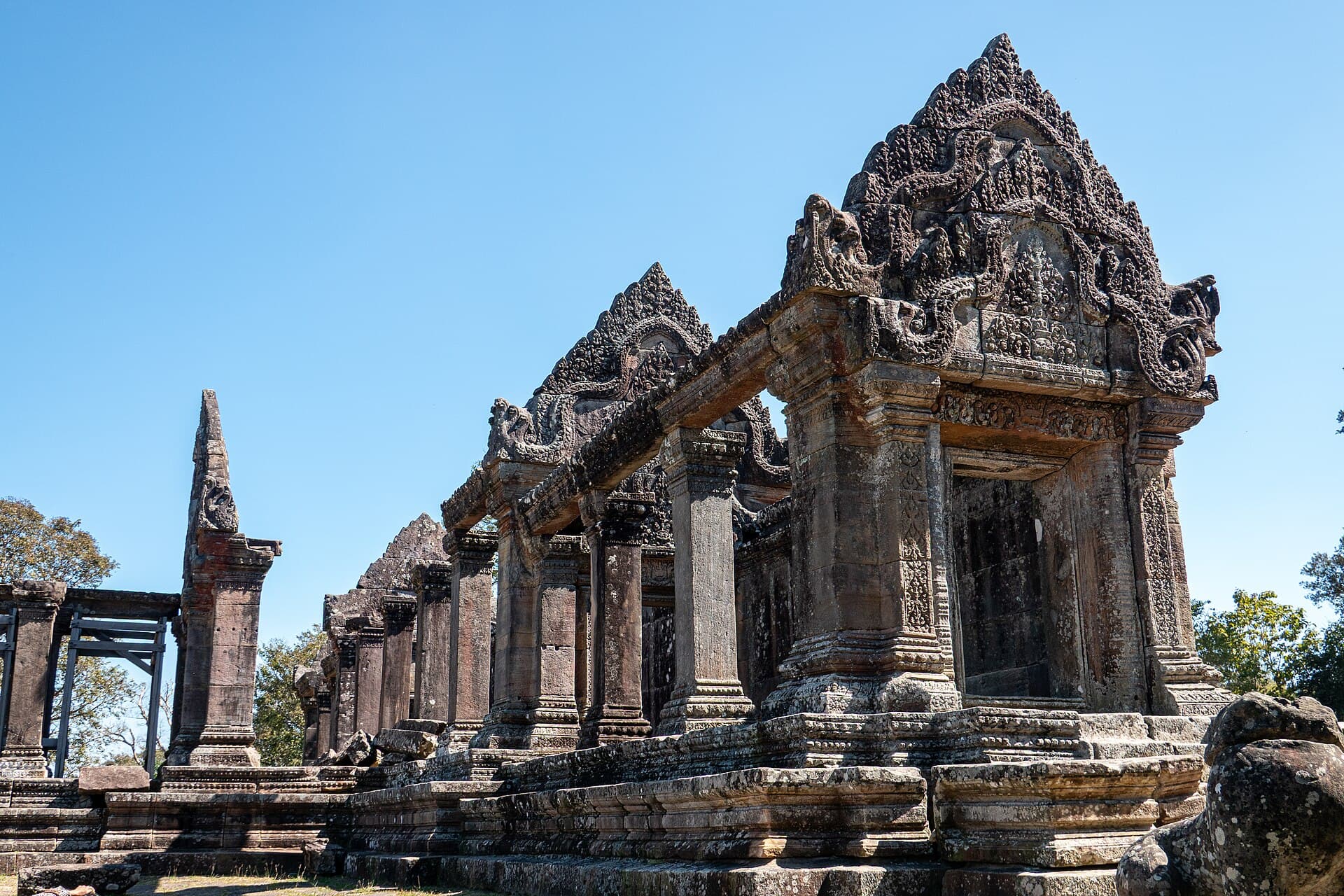
A remote 11th-century sanctuary perched on a dramatic escarpment, Preah Vihear rewards visitors with sweeping views and intricate stone carvings.
Perched 525 meters above the surrounding plains on the Dangrek Mountains, Preah Vihear Temple commands one of the most spectacular settings of any Khmer monument. Unlike the crowded temples of Angkor, this UNESCO World Heritage Site feels isolated and monumental, with long stone causeways leading visitors upward through five successive gopuras toward a sanctuary that once honored the Hindu god Shiva.
The temple unfolds along a north-south axis across 800 meters of rising terrain. Start at the first gopura near the ticket checkpoint and follow the broad laterite and sandstone causeway lined with naga balustrades. Each successive level reveals finer carvings: lintels depicting scenes from the Ramayana, intricate floral motifs, and guardian figures. The fourth level offers the best preserved galleries, while the fifth level contains the central sanctuary and a small museum displaying recovered artifacts. From the northern terrace the view stretches across the Cambodian plains into Thailand, especially striking at sunrise or late afternoon.
Most travelers reach Preah Vihear from Siem Reap via a four-to-five-hour drive on paved roads through the countryside, often stopping at the remote temple of Koh Ker en route. From Phnom Penh the journey takes six to seven hours. The final approach involves either a steep, winding road or a scenic but strenuous staircase of 392 steps. Motorbike taxis and shared taxis wait at the base; private drivers can ascend to the upper parking area. Border formalities are minimal for day visits, but carry your passport.
The dry season from November through April offers the most comfortable conditions and clearest skies. The temple remains accessible year-round, yet the monsoon months bring slippery paths and occasional closures after heavy rain. Early morning visits avoid the midday heat and allow time to explore without crowds.
Many visitors pair Preah Vihear with the 10th-century ruins of Koh Ker or the smaller, atmospheric temples of Ta Moan and Ta Moan Thom along the Thai border. These sites share the same remote character and provide a fuller picture of the Khmer empire’s northern frontier.
Plan on two to three hours on site plus travel time; the walk from the lower checkpoint to the sanctuary takes 30u201345 minutes each way.
The site is secure and regularly patrolled; the only notable hazards are steep drops and midday heat, so stay on marked paths and pace yourself.
Independent exploration is straightforward thanks to clear signage, yet a local guide adds valuable context about the templeu2019s architecture and borderland history.
The nearby border crossing is open to locals and some tour groups, but most tourists return the same way they arrived; confirm current rules with your driver.
Light, breathable clothing that covers shoulders and knees out of respect for the sacred site, plus a hat and comfortable shoes for the climb.
Keep reading
Venture beyond Angkor to the remote 10th-century ruins of Koh Ker, where a seven-tiered pyramid and jungle-shrouded…