Why Visit Phnom Dei
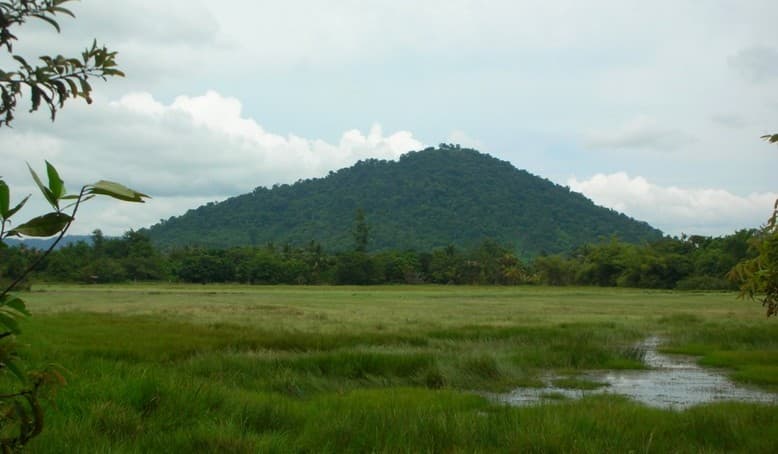
Phnom Dei rises gently above the flat rice fields north of Siem Reap, offering visitors a short but rewarding hike and 360-degree views that stretch from the distant spires of Angkor Wat to the forested ridges of Phnom Kulen. Unlike the crowded temple complexes below, the mountain remains largely undeveloped, giving hikers a peaceful window into the landscape that shaped the Khmer empire.
Getting There
Phnom Dei lies roughly 25 kilometers northeast of Siem Reap town. Most travelers hire a tuk-tuk or private car for a half-day excursion; the road is paved until the base, after which a dirt track leads to the trailhead. Motorbike rental is also common for independent travelers comfortable navigating rural Cambodian roads. Allow 45 minutes to an hour from central Siem Reap depending on traffic and weather.
What to See and Do
The main activity is the hike to the summit, which takes 45–90 minutes depending on fitness and pace. The path winds through scrub forest and occasional sandstone outcrops, passing small spirit houses and offering glimpses of distant rice paddies. At the top, a modest modern stupa and the remains of an ancient linga mark the summit; clear days reveal the entire Angkor archaeological park laid out below. Birdwatchers often spot hornbills and drongos along the trail, while photographers favor the late-afternoon light when shadows accentuate the temple outlines on the plain.
Best Time to Visit
The dry season from November to April brings cooler temperatures and clear skies ideal for photography and hiking. Early mornings are best to avoid midday heat and to watch mist lift from the surrounding fields. The wet season (May–October) turns the path slippery and the views hazy, though the mountain is far less visited then.
Nearby Attractions
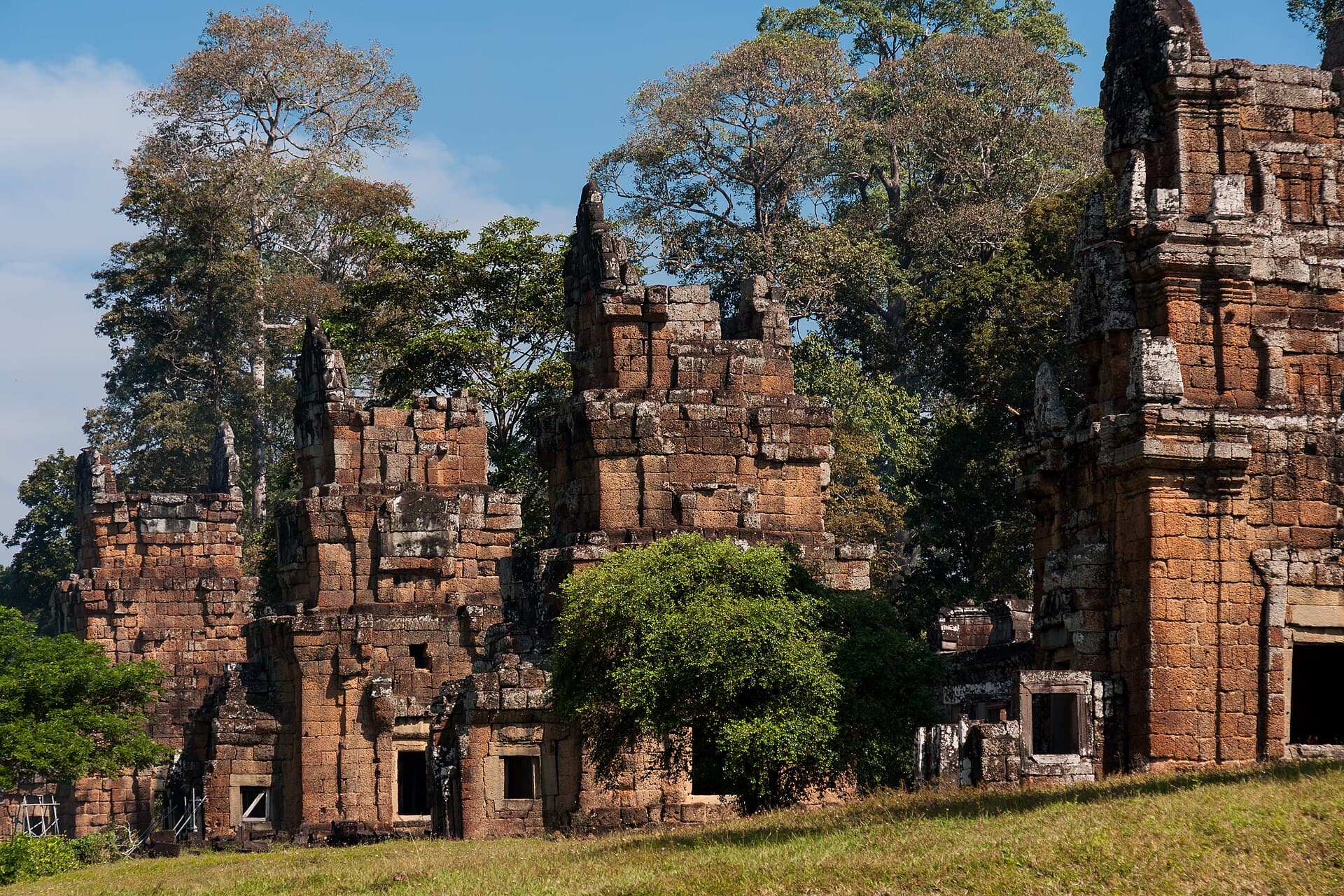
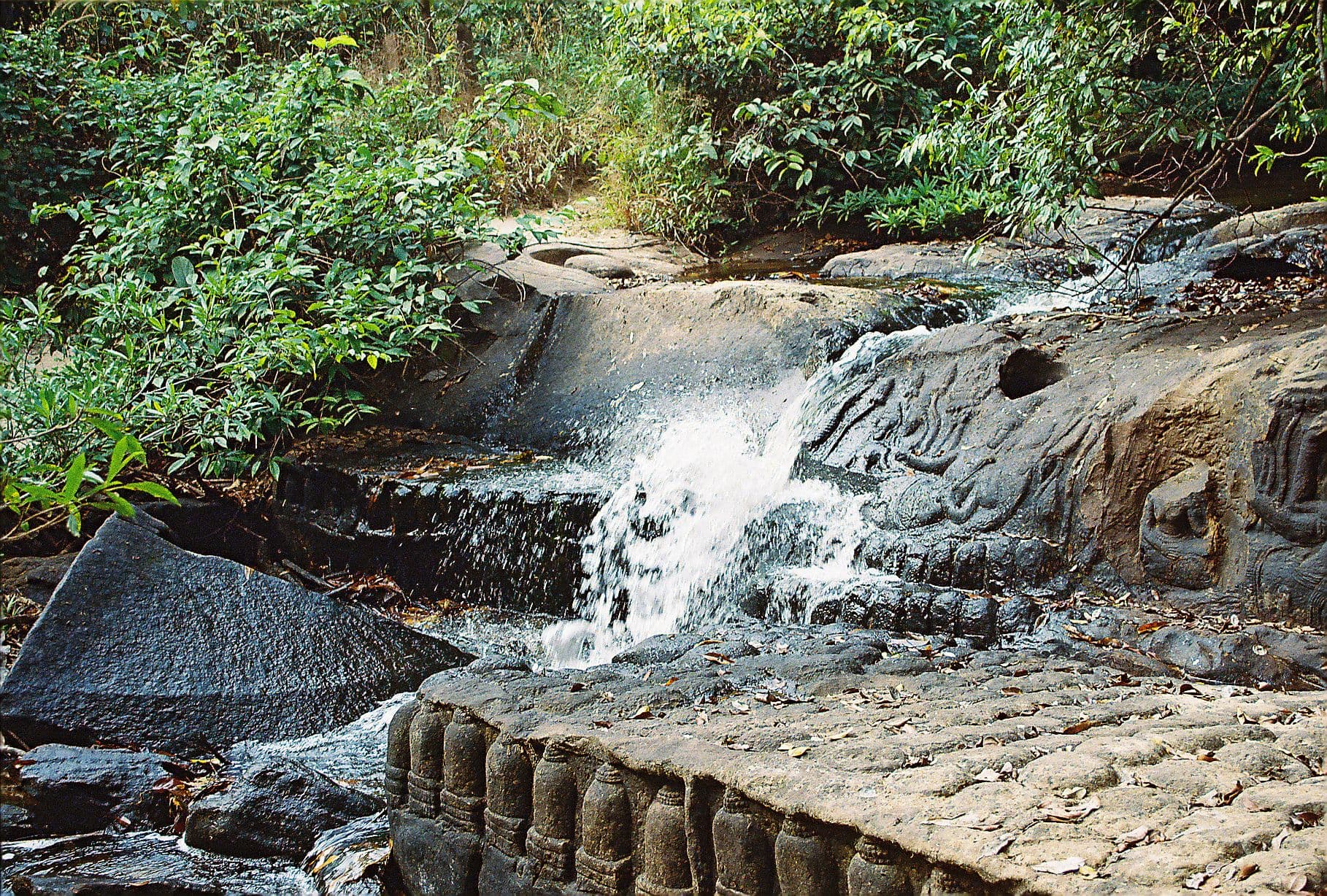
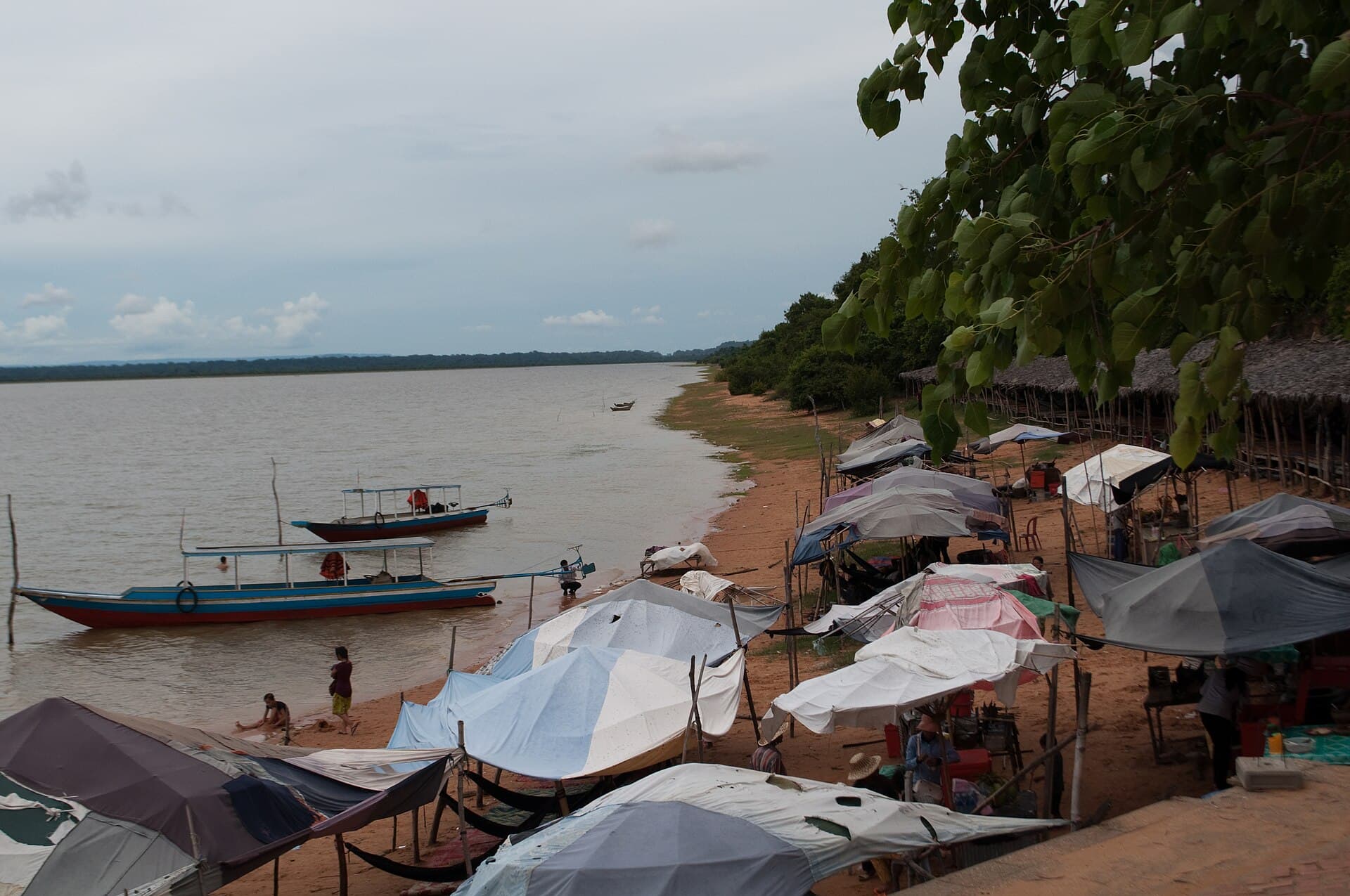
Phnom Dei sits within easy reach of several other sites. Combine the hike with a visit to Banteay Srei, whose pink sandstone carvings lie just 10 kilometers to the east, or continue north to the waterfall and reclining Buddha at Phnom Kulen National Park. Many travelers also stop at the floating village of Kompong Phluk on the return journey to Siem Reap.