Keep reading
Nearby & related
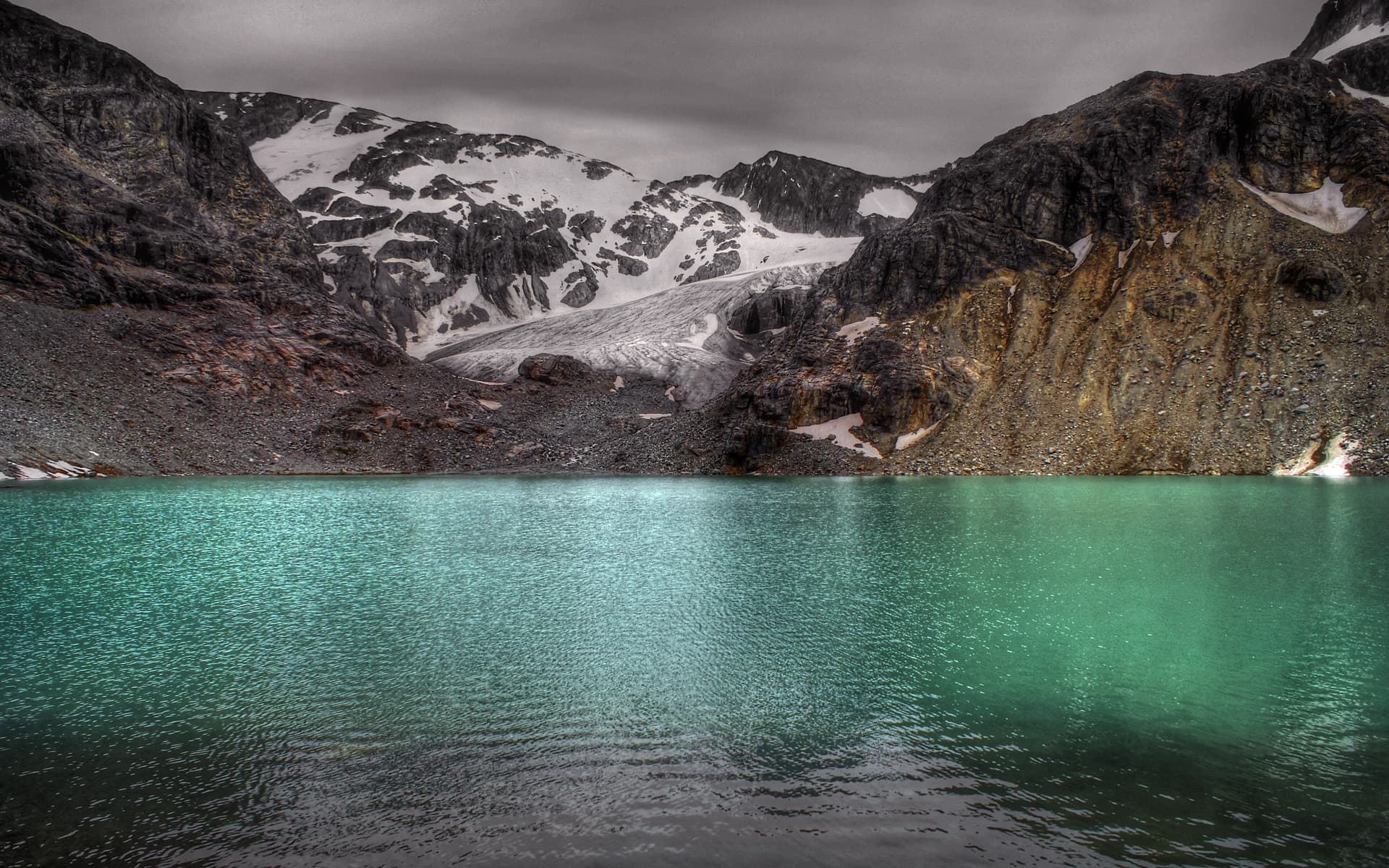
Wedgemount Lake: Hiking to a Turquoise Alpine Gem Near Whistler
A rewarding backcountry trek leads to glacial waters and sweeping mountain views in British Columbia’s Coast Range.
8 August 2026
Experience the quiet beaches, coastal forests, and living Indigenous culture of this private island in the Strait of Georgia.
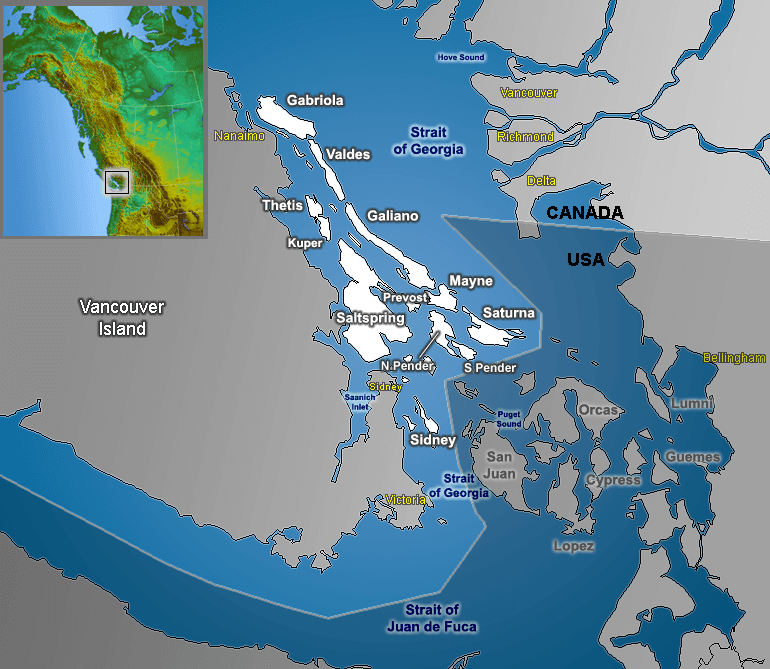
Penelakut Island sits in the southern Gulf Islands archipelago, a compact landmass of forests, rocky shorelines, and sheltered bays. The island is home to the Penelakut First Nation, whose members have stewarded the land for generations. Visitors find a place shaped by both natural beauty and cultural continuity rather than commercial development.
Access begins from the Vancouver Island community of Chemainus. A short passenger ferry crosses to the island’s main dock. Private boats can anchor in designated bays, but all visitors must respect community boundaries and posted restrictions. No vehicle ferry service operates, keeping the island free of cars and preserving its quiet character.
Walking trails wind through second-growth forest to small pebble beaches and viewpoints overlooking Trincomali Channel. Birdwatching is rewarding, with eagles, herons, and seasonal migratory species common along the shoreline. Respectful visitors may observe traditional clam gardens and learn about ongoing stewardship efforts through community-led programs when offered.
Late spring through early fall offers the calmest waters and mildest temperatures for day trips. Winter visits are possible but require preparation for rain and shorter daylight. Cultural events, when scheduled, often align with summer months.
After returning to Chemainus, travelers can explore the town’s historic murals and waterfront. Short drives or additional ferries connect to other Gulf Islands such as Thetis Island and Salt Spring Island for extended itineraries focused on coastal scenery and artisan communities.
Keep reading
A rewarding backcountry trek leads to glacial waters and sweeping mountain views in British Columbia’s Coast Range.
Limited day access is available for respectful visitors, but the island remains private property of the Penelakut First Nation. Always check current permissions before arriving.
Overnight accommodations for non-residents are not available. Most visitors plan a day trip and return to Vancouver Island the same afternoon.
A network of footpaths crosses forested areas and reaches several beaches. Trails are unmarked in places; carry a map and stay on established routes.
Water, snacks, sturdy walking shoes, a hat, sunscreen, and a reusable bag for trash are essential. There are no facilities for purchasing supplies.
The journey from Victoria involves driving north to Chemainus (about 90 minutes) followed by the short ferry crossing, making it a feasible day excursion from the capital.
This serene lake in British Columbia’s Rockies delivers quiet paddling, trout fishing, and easy access to dramatic peaks…
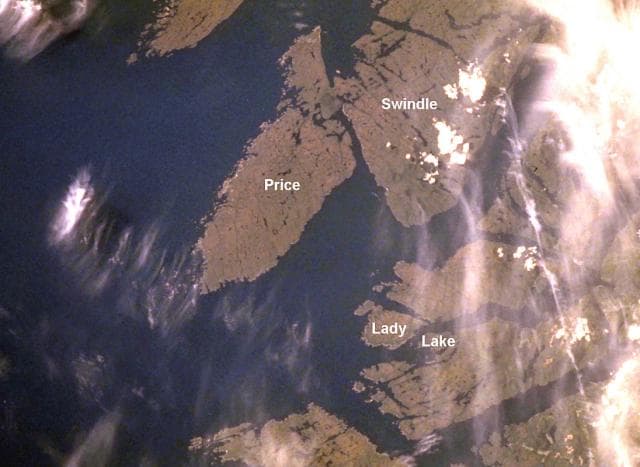
Discover pristine rainforest, marine wildlife, and quiet anchorages on this secluded island in the Inside Passage.