Discovering Peña Remoña
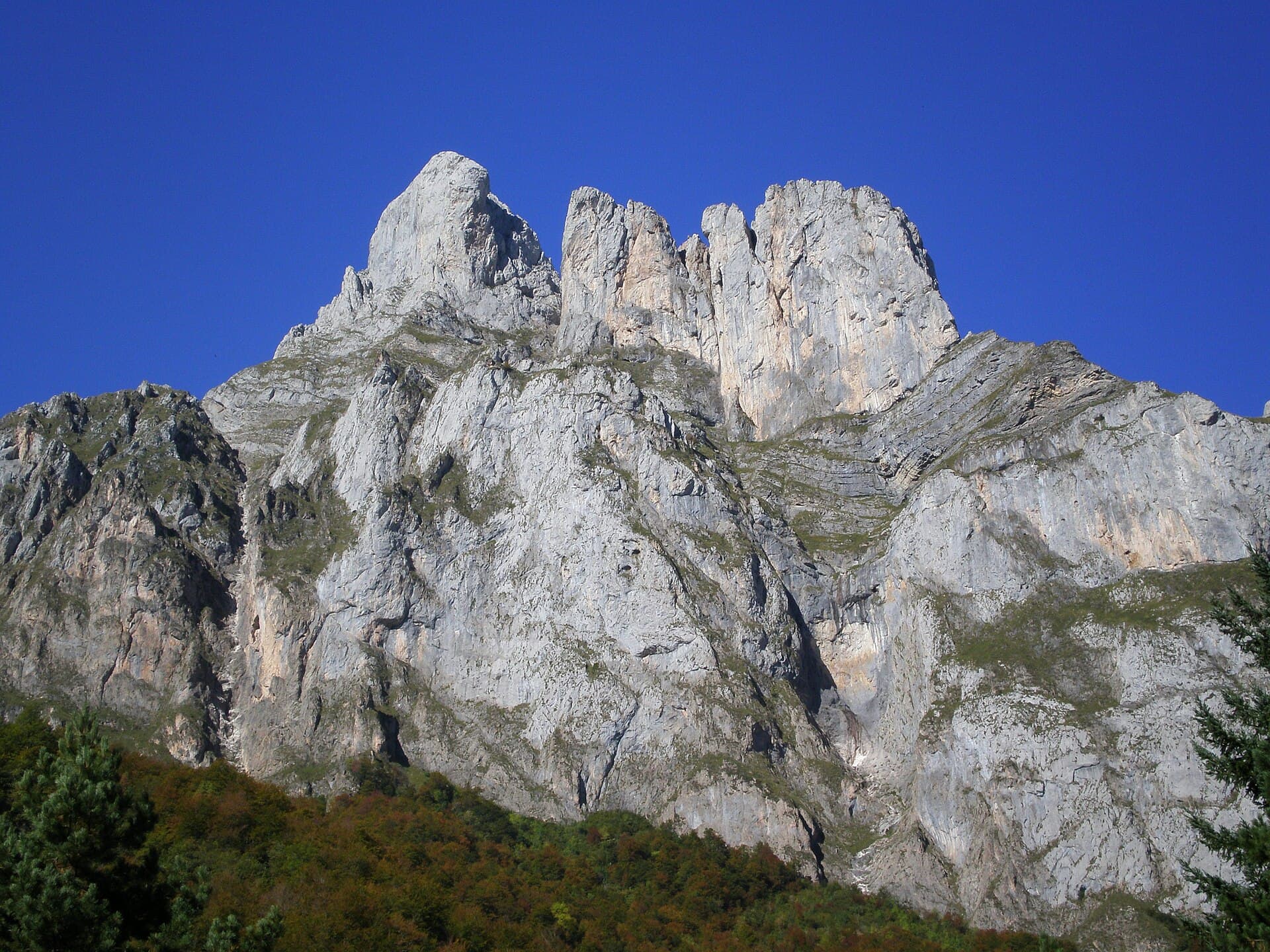
Peña Remoña rises to 2,227 metres in the western massif of Picos de Europa National Park, offering hikers a rewarding summit experience without the crowds that gather around more famous peaks. Its limestone ridges and steep northern faces create a stark contrast against the green valleys of Cantabria, while the summit provides clear sightlines toward the Deva gorge and distant snow-capped ridges.
Recommended Hiking Routes
From Espinama via the Collado de Peña Remoña
The most straightforward approach begins in the village of Espinama. Follow the marked PR trail that climbs steadily through beech forest before emerging onto open alpine meadows. The final section involves a short scramble over stable rock to the summit cairn, taking roughly four to five hours round-trip for fit walkers.
Via Fuente Dé Cable Car and High Traverse
Take the Fuente Dé cable car to gain elevation quickly, then follow the high-level path westward along the ridge system. This route links Peña Remoña with neighbouring summits and rewards visitors with continuous panoramas of the Liébana valley. Allow a full day and carry a map, as some sections cross unmarked limestone pavements.
Getting There
Peña Remoña lies roughly 120 kilometres southwest of Santander. Drivers can reach Espinama or Fuente Dé via the N-621 highway through Potes. Public buses run from Santander to Potes, with infrequent onward services or taxis to trailheads. Parking at the cable-car base fills early in summer; arrive before 9 a.m. or use the lower village lots and walk up.
Best Time to Visit
Late spring through early autumn offers the most reliable conditions. June and September provide fewer visitors and cooler temperatures, while July and August bring longer daylight but higher risk of afternoon storms. Winter ascents require ice-axe and crampons and are suitable only for experienced mountaineers.
Flora, Fauna and Practical Considerations
The slopes support chamois, griffon vultures and endemic Cantabrian flora such as the Picos gentian. Stay on established paths to protect fragile karst terrain. Carry at least two litres of water per person, as natural sources are scarce above the tree line. Mobile coverage is patchy beyond the cable-car station.
Nearby Attractions
- The dramatic rock spire of Naranjo de Bulnes (Picu Urriellu), visible on clear days from the summit ridge.
- The historic monastery of Santo Toribio de Liébana, a short drive from Potes.
- Traditional mountain villages such as Mogrovejo and Baró, known for their stone architecture and local cheese producers.