Keep reading
Nearby & related
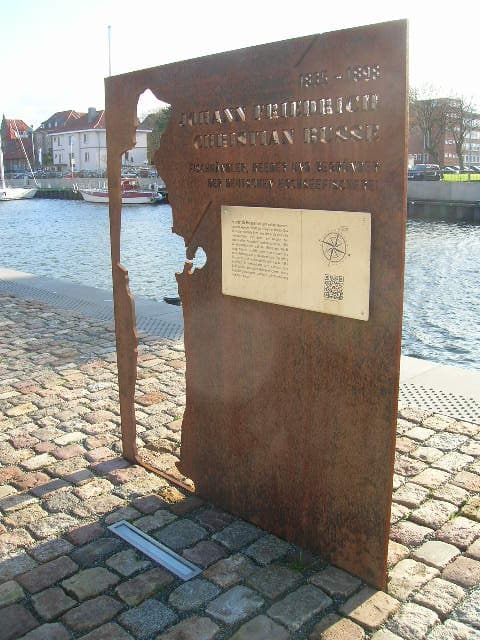
Forschermeile: Bremerhaven’s Monument to Maritime Research
A waterfront promenade in Germany’s northern port city that honors centuries of ocean science and exploration.
15 October 2026
A peaceful expanse of meadows and riverbank paths just outside central Bremen, ideal for unhurried walks and local wildlife.
Pauliner Marsch lies on the left bank of the Weser south of Bremen’s city centre, where the river widens into low-lying meadows. The flat terrain and network of unpaved tracks make it a favourite among locals who want fresh air without travelling far. Unlike the more manicured parks closer to the Altstadt, this area retains its character as former marshland reclaimed for grazing and now managed for nature and quiet recreation.
Tram line 1 stops at Arsten, from where a ten-minute walk south along the dyke brings you to the main entrance paths. Cyclists follow the Weser Cycle Route signs; the surface is mostly gravel but remains firm even after rain. Drivers can park at the small lot near the Pauliner Marsch sports ground and continue on foot. The coordinates 53.0619, 8.85 place the heart of the park roughly 6 km from Bremen Hauptbahnhof.
Two main loops cover the area. The shorter northern circuit follows the river embankment for about 4 km and offers open views of passing barges. The longer southern loop crosses cattle pastures and skirts small drainage ditches, where dragonflies are common in summer. Both routes are signposted and largely level.
In spring and autumn, migrating waders feed along the muddy river edges. Year-round residents include lapwings, grey herons and roe deer that graze at dawn and dusk. Keep to the paths to avoid disturbing nesting birds in the fenced-off zones.
A few wooden benches and a single shelter stand near the sports ground. There are no cafés or toilets inside the park boundaries, so bring water and use facilities at the Arsten tram stop before heading out.
Late spring through early autumn provides the driest paths and longest daylight. Early morning or late afternoon visits reduce encounters with dog walkers and joggers. Winter walks are possible but expect muddy stretches after rain; waterproof footwear is advisable.
Combine a visit with the nearby Blockland meadows to the west or continue along the Weser to the harbour museum at Schaufenster Fischereihafen. The historic centre of Bremen, with its town hall and cathedral, lies a short tram ride north.
Keep reading
A waterfront promenade in Germany’s northern port city that honors centuries of ocean science and exploration.
Yes, the flat paths are easy for families, but there are no playgrounds or toilets, so plan accordingly.
Bicycles are permitted on the main tracks, though some narrower paths are better suited to walking.
Dogs are welcome but must remain on a lead in the grazing areas to protect livestock and ground-nesting birds.
Most people spend one to two hours completing one of the two main loops.
Trees are sparse; the only covered bench is near the sports ground, so bring sun protection in summer.
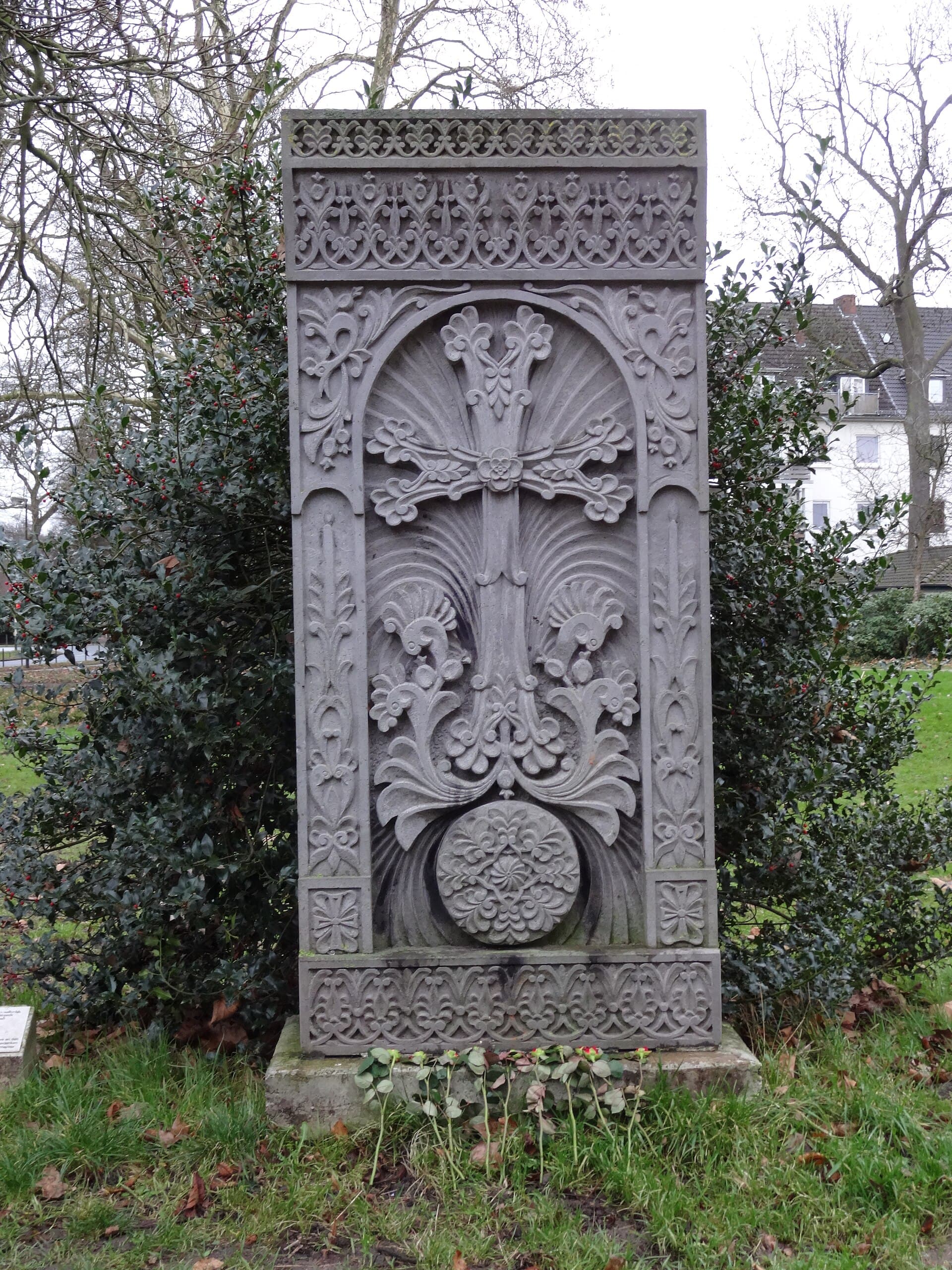
A finely carved Armenian cross-stone offers a quiet window into centuries-old tradition amid Bremen’s urban landscape.
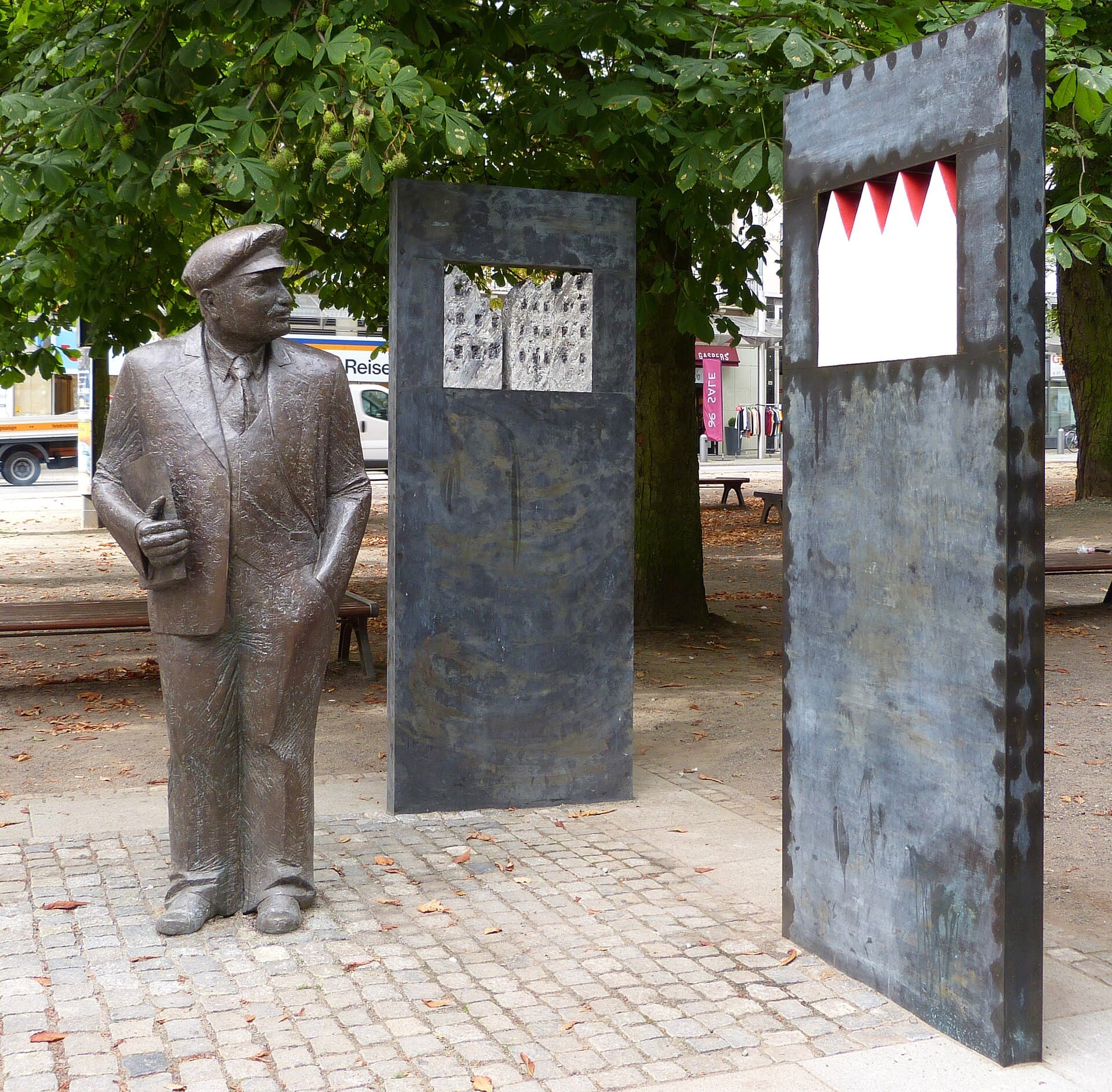
Discover the enduring legacy of Wilhelm Kaisen at this understated monument in Bremen.