Introduction to the Kaisen Monument
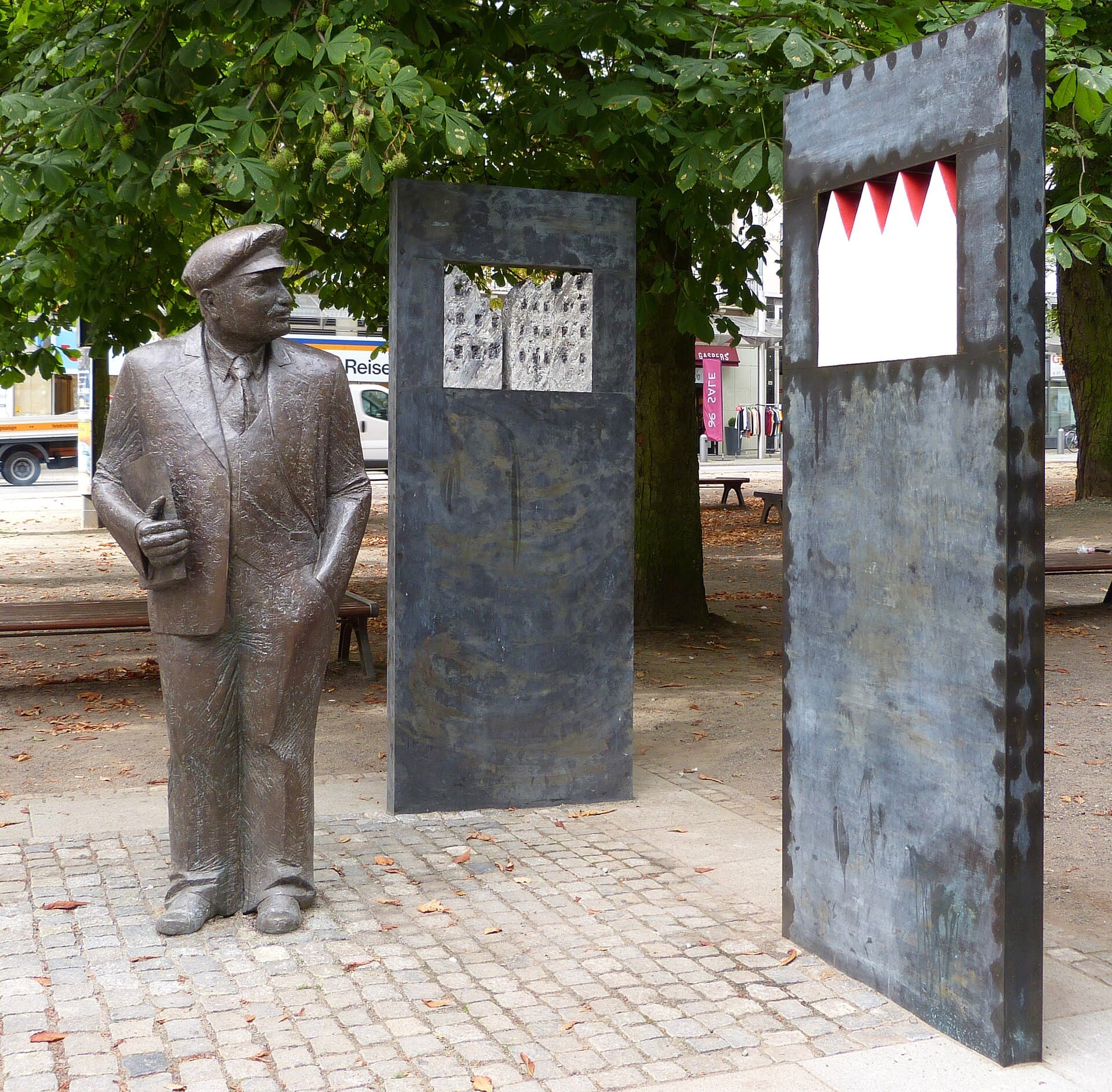
The Kaisen Monument stands as a quiet tribute to Wilhelm Kaisen, who served as mayor of Bremen for nearly three decades after World War II. Located near the city center, the monument reflects Bremen’s post-war rebirth and Kaisen’s role in guiding the city toward reconstruction and social stability. Visitors encounter a simple yet dignified memorial that invites reflection on leadership during challenging times.
Who Was Wilhelm Kaisen?
Born in 1887, Wilhelm Kaisen rose from humble beginnings to become a key Social Democratic figure. He endured Nazi persecution, including imprisonment, before returning to lead Bremen in 1945. Under his tenure, the city rebuilt its port, expanded social housing, and strengthened democratic institutions. The monument captures this spirit of resilience without grandiosity, allowing the story to emerge through its setting.
What to See and Do at the Monument
The site features a sculpted portrait or relief integrated into a modest plaza. Spend time reading the inscriptions that highlight Kaisen’s achievements in urban planning and labor rights. The surrounding greenery offers a peaceful spot for photos or quiet contemplation. Combine the visit with a short walk to appreciate how the monument fits into Bremen’s broader urban fabric.
How to Get There
Reach the monument easily via Bremen’s efficient tram and bus network. Several lines stop within a short walk of the coordinates in the central district. Cyclists can use the city’s extensive bike paths, while drivers will find limited street parking nearby. The location places it within comfortable walking distance of the historic core.
Best Time to Visit
Spring through early autumn provides the most comfortable conditions for outdoor exploration, with mild weather and blooming surroundings. Even in winter the monument remains accessible, offering a stark contrast to the seasonal city lights. Avoid peak holiday weekends if seeking solitude.
Nearby Attractions
Combine your visit with the Bremen Cathedral, the charming Schnoor quarter with its half-timbered houses, or a stroll along the Weser River promenade. The nearby marketplace and Roland statue offer further insight into the city’s Hanseatic heritage, creating a natural half-day itinerary centered on Bremen’s civic identity.