
Skip to content
Plan & Tour
DestinationsItinerariesTravel BlogAboutContact
0Sign inPlan a trip
Plan & TourPlan & Tour

Travel guides, destination inspiration and curated itineraries for Canada, the USA and beyond, plus a free tool to plan your own day-by-day trip.

Get travel inspiration

Explore

  • All Destinations
  • Curated Itineraries
  • Travel Blog
  • Plan a Trip

Topics

  • Hiking & Nature
  • Food & Drink
  • City Breaks
  • Budget Travel

Company

  • About Us
  • Contact
  • Privacy Policy
  • Terms of Service

© 2026 Plan & Tour. Built for travellers.

Discover the world, one trip at a time.

Palacio de Peredo: A Renaissance Palace in Santillana del Mar
  1. Home
  2. Destinations
  3. Santillana del Mar
  4. Palacio de Peredo: A Renaissance Palace in Santillana del Mar
Monument

Palacio de Peredo: A Renaissance Palace in Santillana del Mar

Step inside one of Cantabria’s finest historic residences and discover the quiet elegance of this 16th-century noble house in Spain’s most perfectly preserved medieval village.

Santillana del MarUpdated 12 November 2026

Introduction to Palacio de Peredo

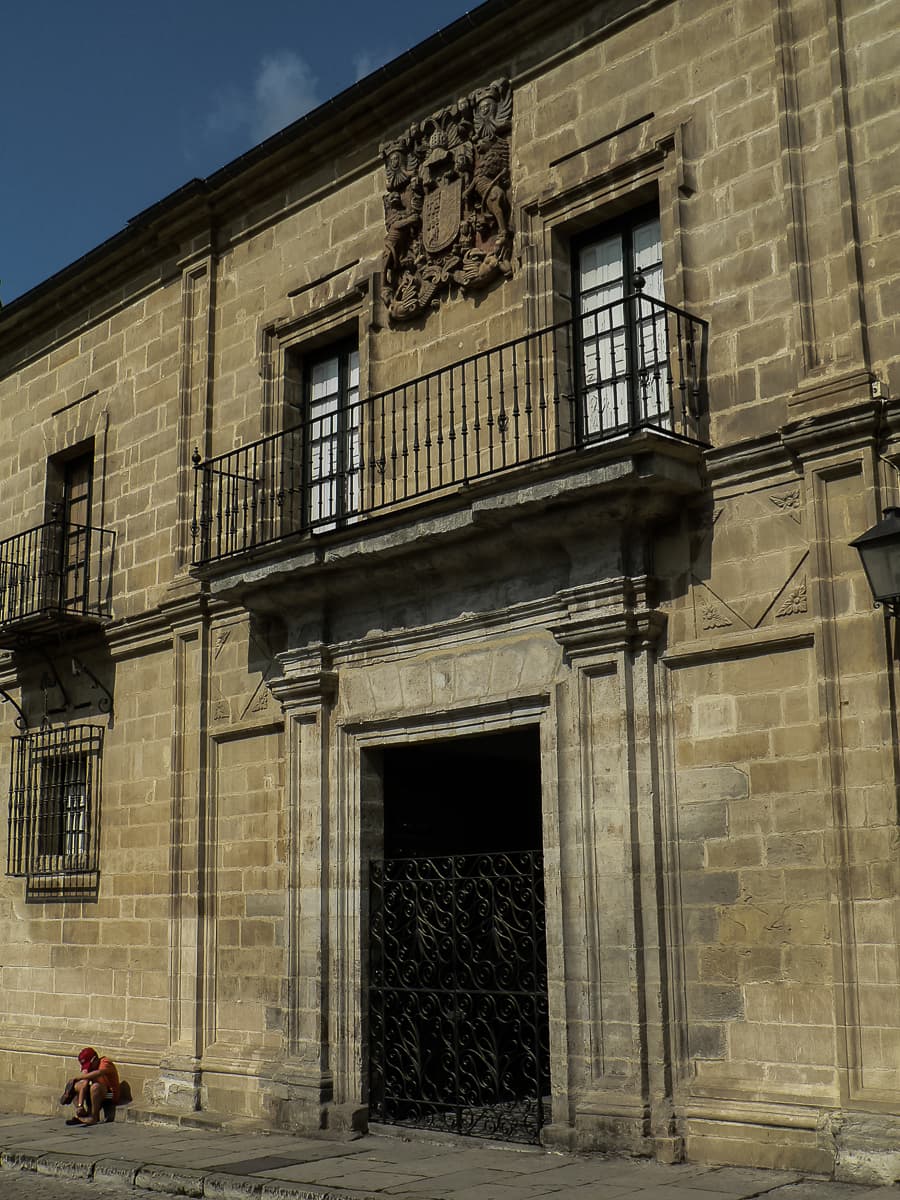
Palacio de Peredo stands among the cluster of stone mansions that define Santillana del Mar, a village whose cobbled streets and heraldic façades have remained largely unchanged since the Renaissance. Built for the Peredo family, the palace reflects the wealth that came to local hidalgos through trade and royal service. Its granite walls and carved coats of arms offer visitors an immediate sense of the region’s aristocratic past.

Architecture and Notable Features

The two-storey façade centers on a broad doorway flanked by twisted columns and topped by a large family shield. Above the entrance, rows of rectangular windows with stone mullions alternate with smaller openings that once ventilated the upper service rooms. Inside, a central courtyard paved with river pebbles still collects rainwater in a traditional stone basin. Although the building now serves mixed civic and cultural uses, several original wooden ceilings and a monumental staircase remain visible to the public.

Interior Highlights

  • The main salon displays 17th-century tapestries depicting local hunting scenes.
  • A small chapel off the courtyard preserves a Baroque altarpiece dedicated to Saint Anne.
  • Stone corbels carved with grotesque masks line the upper gallery, illustrating the playful stonework favored by Cantabrian masons.

How to Visit

Reach Santillana del Mar by car from Santander in roughly thirty minutes along the A-8 motorway. Park in the designated lots outside the historic center; the narrow lanes inside the village are closed to private vehicles. Once on foot, follow the main street, Calle Santo Domingo, until the palace appears on the left. The building integrates into the village’s walking route, so most visitors combine it with a stroll past the Collegiate Church and the many other noble houses that line the same thoroughfare.

Best Time to Visit and Nearby Attractions

Spring and early autumn bring mild temperatures and fewer crowds, allowing time to linger on the palace steps and photograph the carved stonework in soft light. Summer weekends fill quickly with day-trippers from the coast. Winter visits are quieter yet can be chilly inside the thick stone walls. Just a short walk away lies the world-famous Altamira Cave replica center; combining both sites gives a complete picture of Cantabria’s layered heritage from prehistoric art to Renaissance architecture. The surrounding meadows also offer easy countryside walks that reveal the green hills typical of Green Spain.

Visitor tips

  • Wear comfortable shoes with good grip; the polished cobblestones around the palace become slippery when wet.
  • Plan at least ninety minutes to explore both the palace and the adjacent historic streets before moving on to Altamira.
  • Visit on a weekday morning to enjoy quieter interiors and better photographs of the fau00e7ade without tour groups.

Frequently asked questions

Is Palacio de Peredo open to the public?+

Parts of the ground floor and courtyard are accessible during normal village visiting hours; upper rooms occasionally host exhibitions and may have restricted access.

How long should I allow for a visit?+

Most visitors spend 30 to 45 minutes inside the palace, then another hour wandering the surrounding streets and nearby church.

Can I take photographs inside?+

Photography is permitted in the courtyard and public areas; flash is discouraged near the historic tapestries and altarpiece.

Is the palace suitable for visitors with limited mobility?+

The courtyard and ground floor are flat, but the monumental staircase and upper gallery involve steps; the exterior fau00e7ade can be fully appreciated from street level.

Are there guided tours available?+

Local walking tours of Santillana del Mar often include a stop at the palace; independent visitors can follow interpretive panels placed throughout the building.

Share
Google Maps Apple Maps Directions

Image: Turol Jones, un artista de cojones from Villanueva del Cascajal, República Independiente de Mi Casa · CC BY 2.0 · via Wikimedia Commons

Keep reading

Nearby & related
All stories
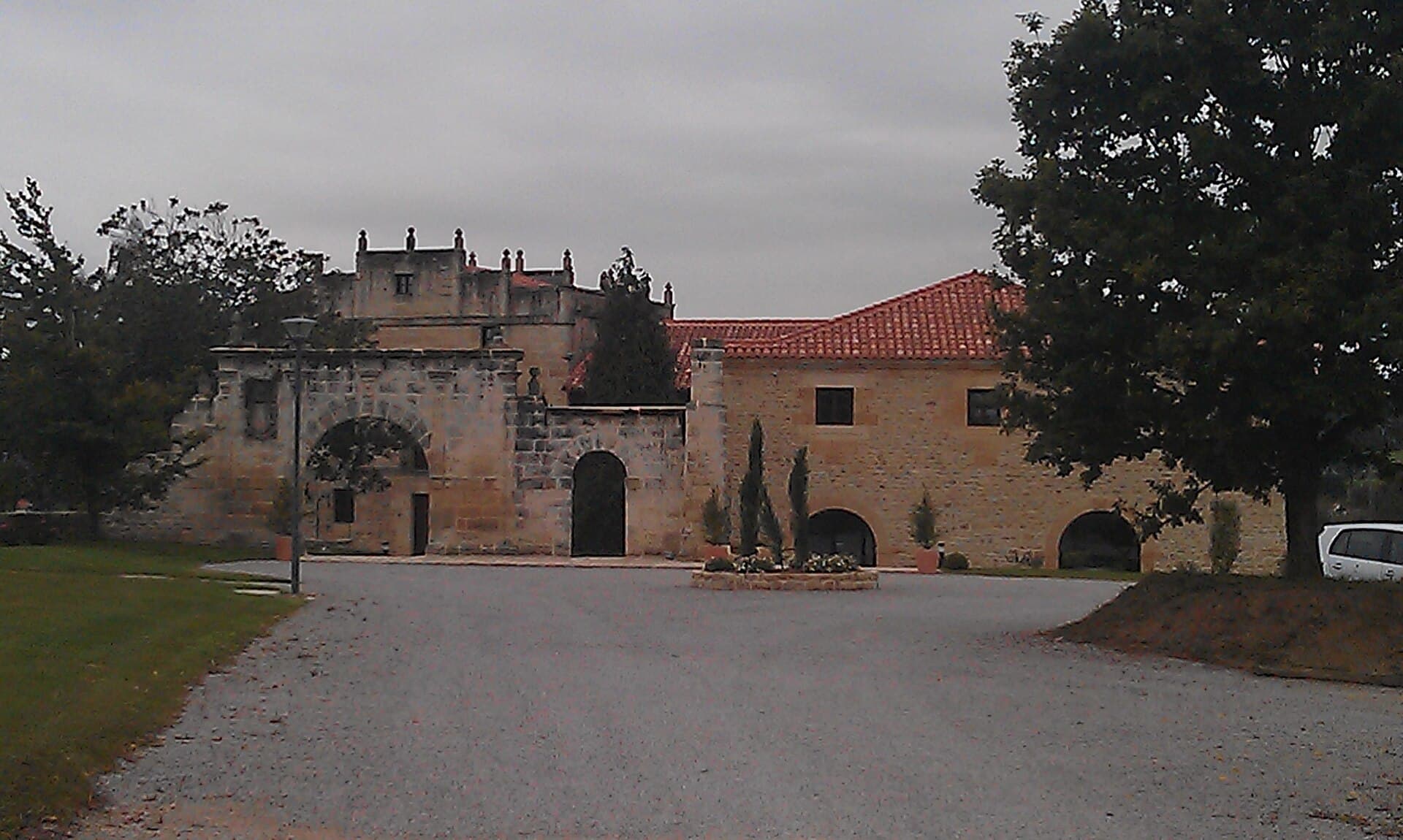
Palace of Peredo in Mijares: A Renaissance Manor in Santillana del Mar
Santillana del Mar

Palace of Peredo in Mijares: A Renaissance Manor in Santillana del Mar

This 16th-century noble residence reveals Cantabria’s layered history amid the medieval streets of one of Spain’s most…

12 November 2026
Museo de la Tortura in Santillana del Mar: Medieval Instruments and Cantabrian History
Santillana del Mar

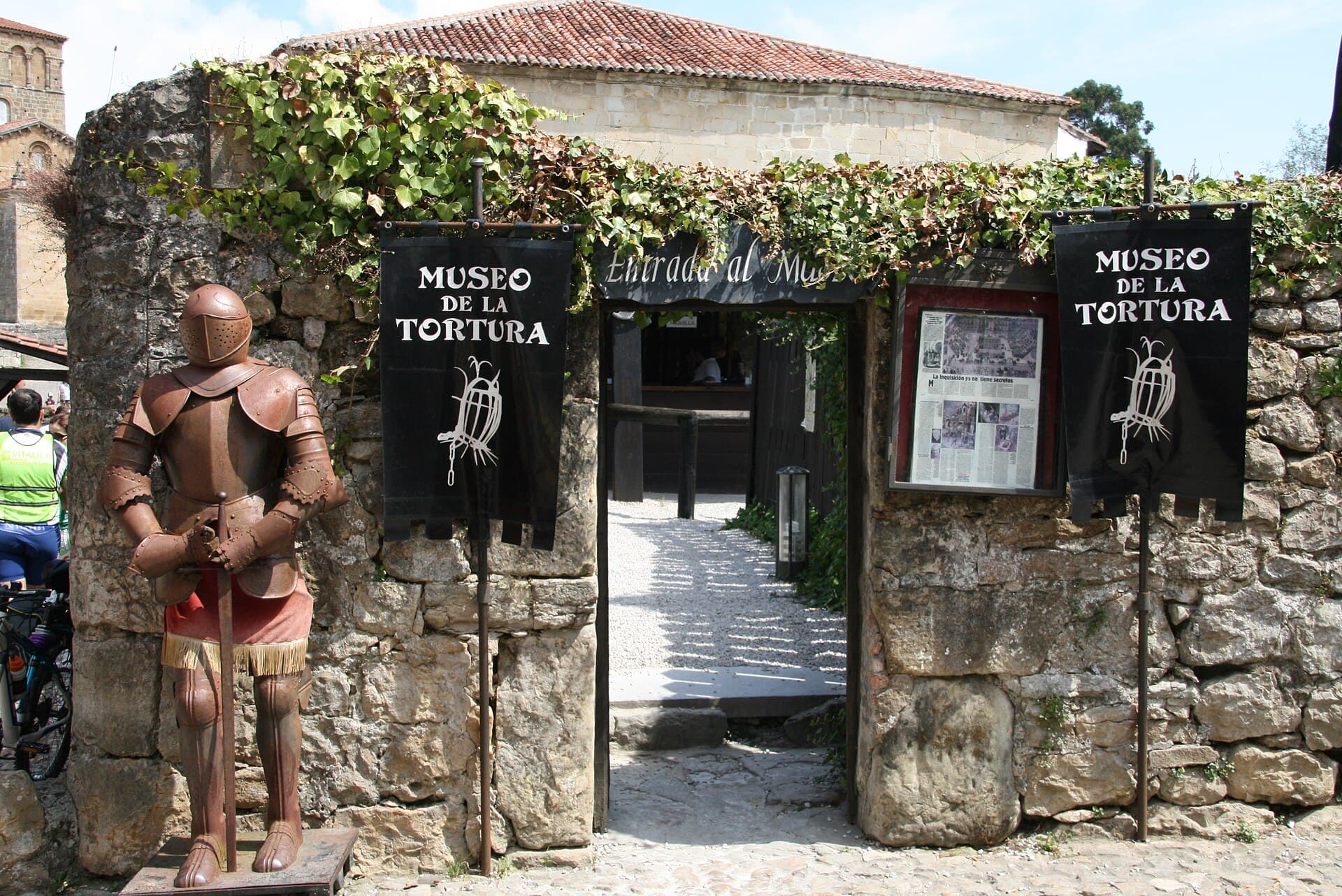
Museo de la Tortura in Santillana del Mar: Medieval Instruments and Cantabrian History

Step into a preserved medieval village to examine a somber collection of historical torture devices and their context…

10 November 2026
The Collegiate Church of Santa Juliana in Santillana del Mar
Santillana del Mar

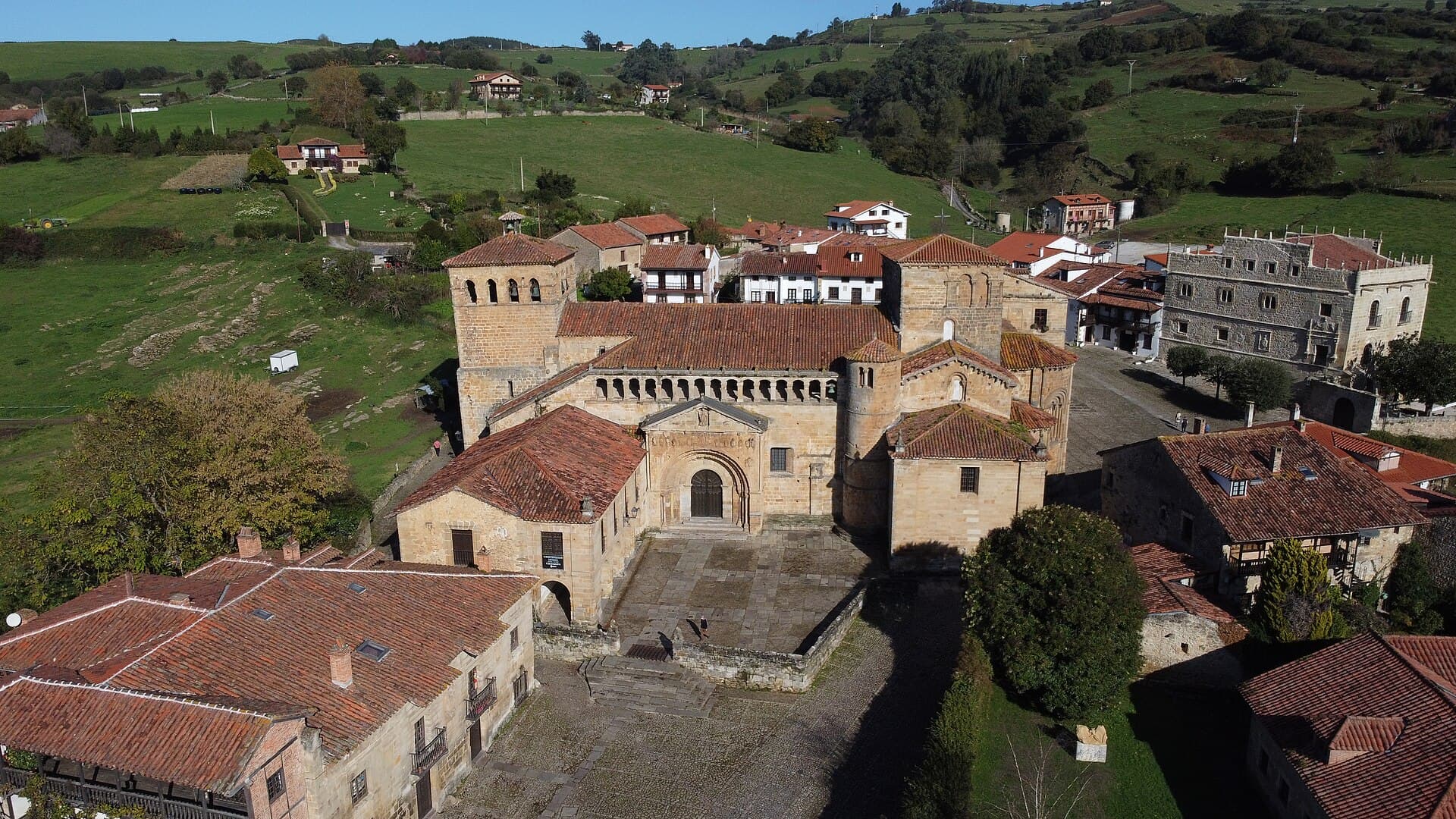
The Collegiate Church of Santa Juliana in Santillana del Mar

A Romanesque landmark anchoring one of Spain’s best-preserved medieval villages.

8 November 2026