Why This Museum Belongs on Your Itinerary
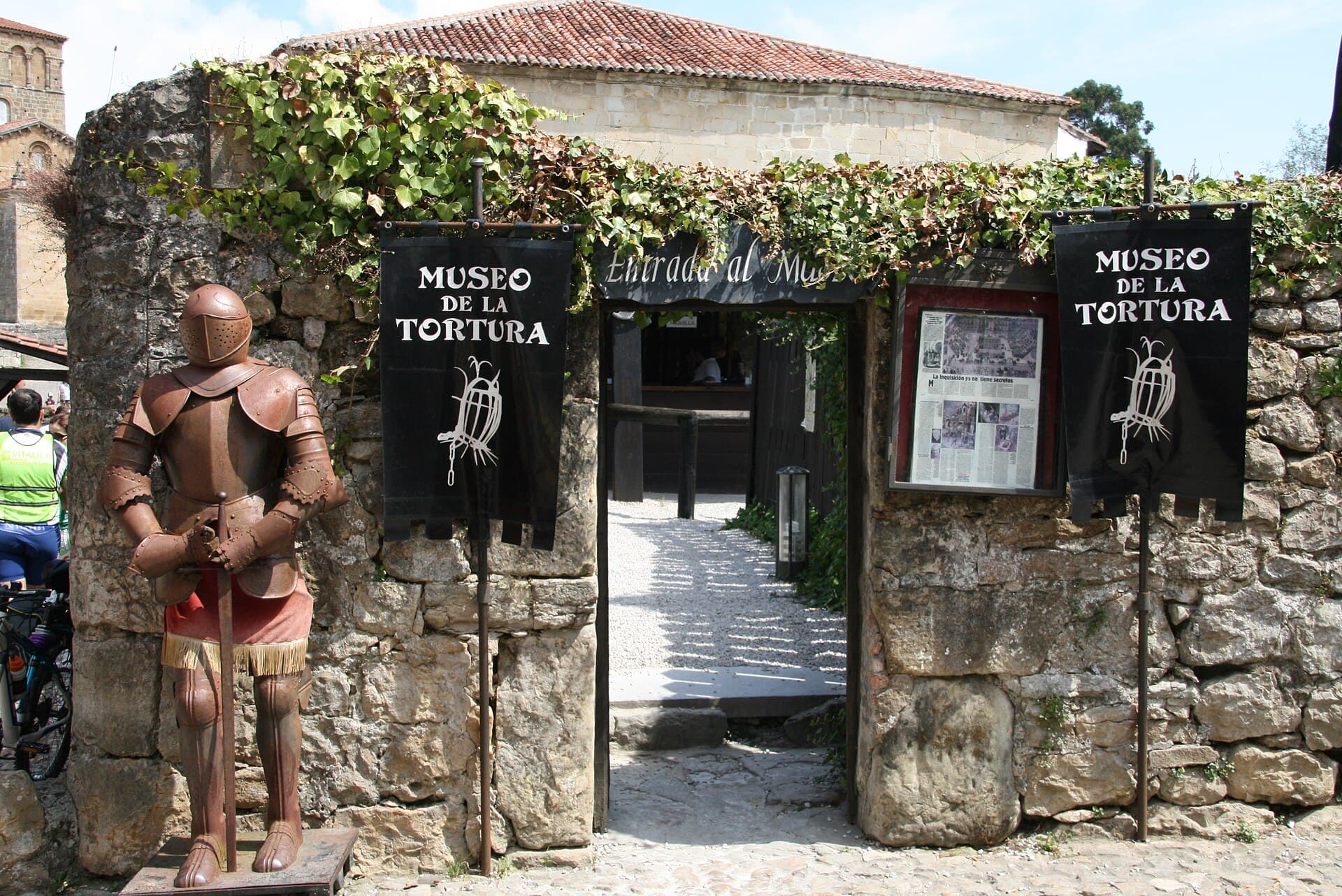
Museo de la Tortura stands out in Santillana del Mar because it pairs the village’s famous 15th- and 16th-century architecture with a focused look at instruments once used during the Spanish Inquisition and earlier periods. The museum occupies a stone building along the main historic street, letting visitors move easily between quiet plazas and the exhibits without leaving the pedestrian core.
What You Will See
The displays feature original and reproduction devices such as the rack, iron maiden, thumbscrews, and various forms of the garrote. Each item is accompanied by explanatory panels in Spanish and English that outline its documented use and the legal or religious framework that justified it. Smaller cases hold branding irons, chastity belts, and prisoner restraints. The collection emphasizes function over spectacle, encouraging reflection on how power and punishment evolved in Europe.
Practical Layout
Visitors follow a single route through three compact rooms on the ground floor. The first room covers the Inquisition era, the second shows earlier medieval tools, and the third presents 18th- and 19th-century instruments used in secular courts. A short film runs on a loop in a side alcove, summarizing the broader European context without graphic reenactments.
Getting There
Santillana del Mar lies roughly 30 kilometers west of Santander. Regular buses connect the village to the regional capital in under an hour. Once inside the old town, the museum is a five-minute walk from the main parking area at the northern entrance. The entire historic center is closed to private cars, so plan to walk the narrow lanes on foot.
Best Time to Visit
Spring and early autumn offer the most comfortable temperatures for wandering the stone streets before or after your museum visit. Summer brings larger crowds and warmer interiors; winter visits are quieter but shorter daylight limits time for nearby sites. Weekday mornings generally provide the calmest experience inside the museum.
Nearby Attractions Worth Combining
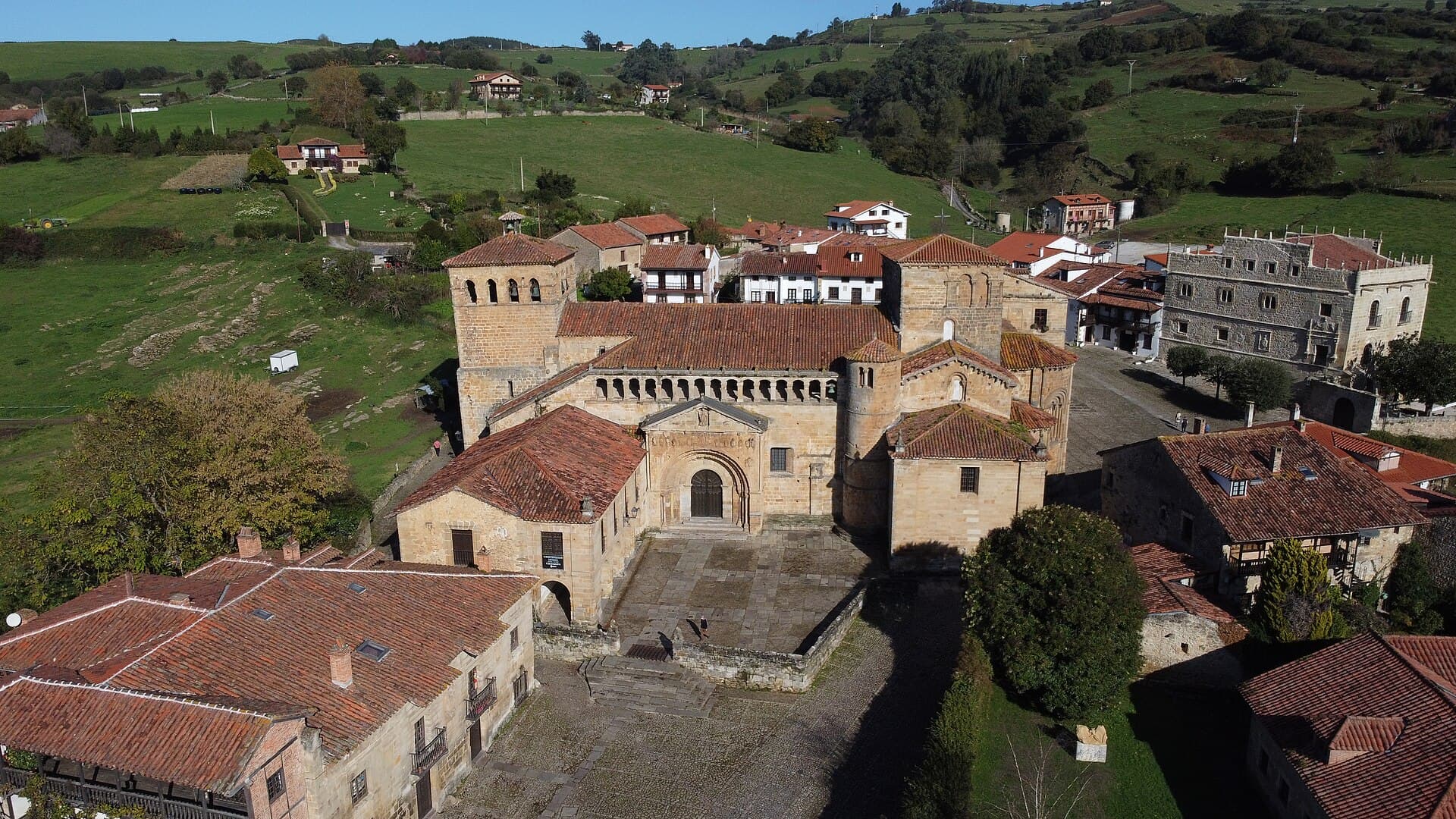
- The Romanesque Colegiata de Santa Juliana, a short walk south, displays 12th-century cloister carvings.
- The Museo de Altamira, ten minutes by car, houses replicas of the famous prehistoric cave paintings.
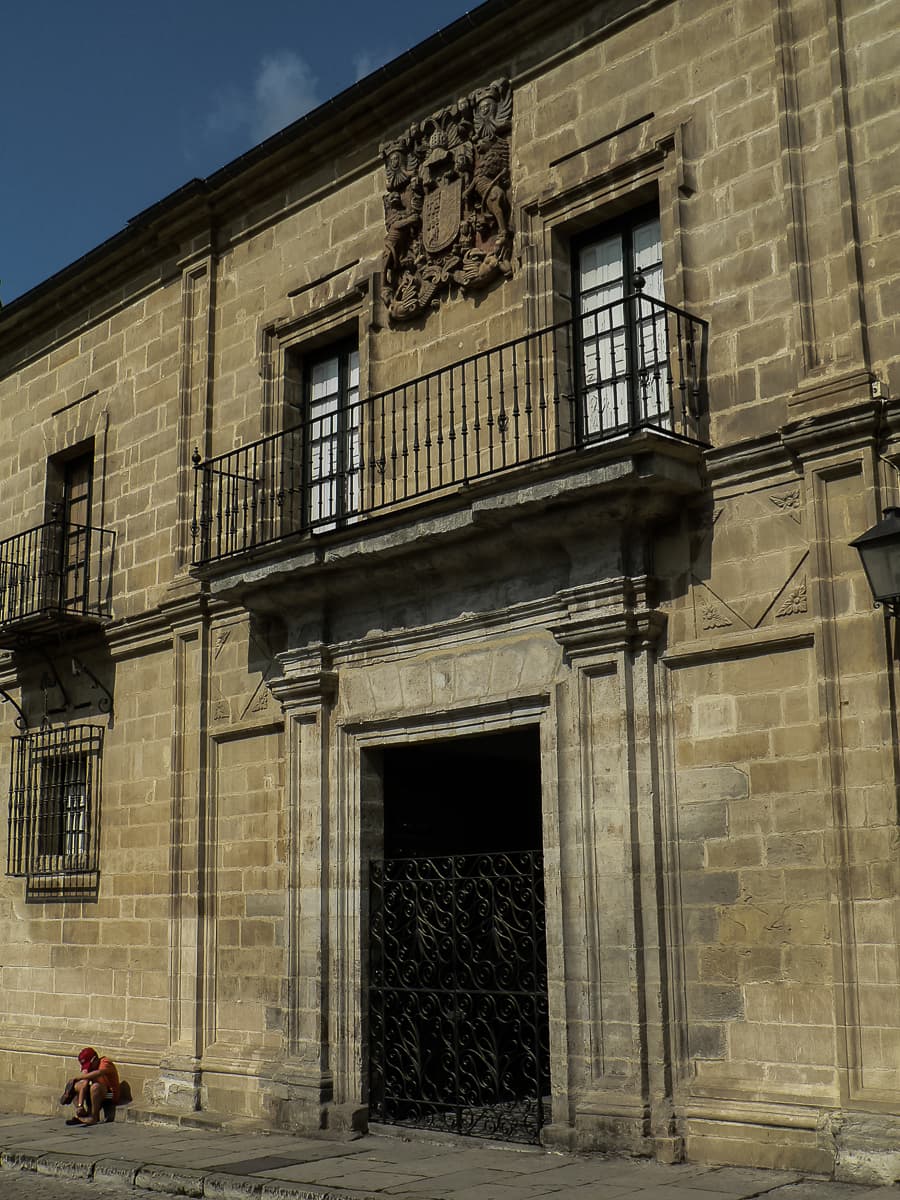
- The village’s main square, Plaza Mayor, lined with 16th-century houses and small artisan shops selling local cheese and honey.
These sites together form a half-day or full-day itinerary centered on Cantabria’s layered past.