
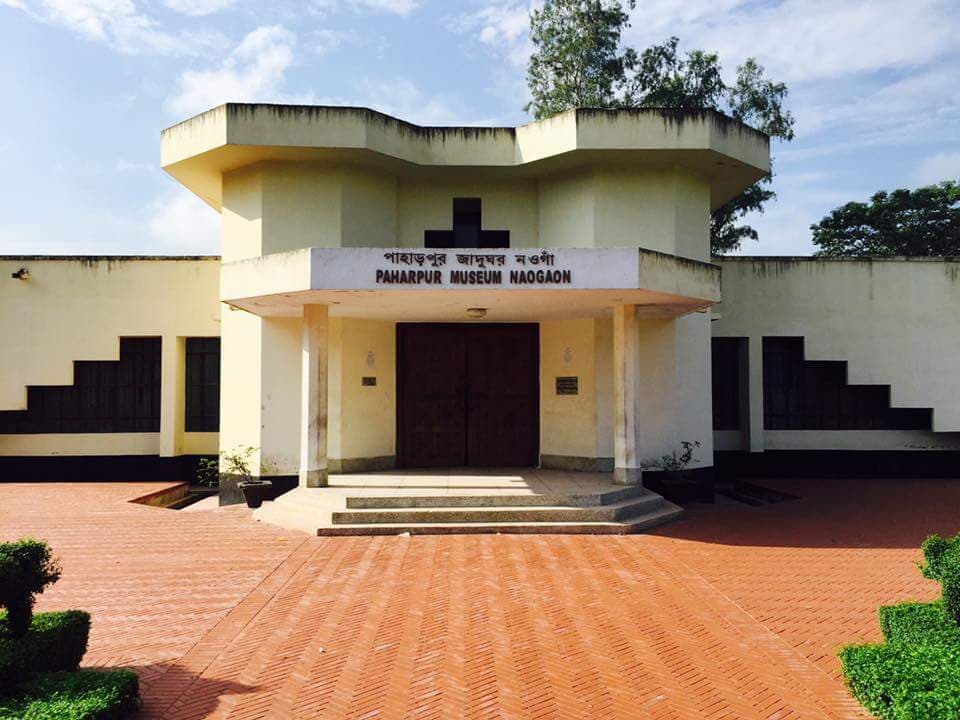
Paharpur Archaeological Museum: Treasures of the Somapura Mahavihara
Explore the artifacts and history of one of South Asia’s largest ancient Buddhist monasteries at this museum in Bangladesh’s Naogaon District.
Why Visit Paharpur Archaeological Museum
The Paharpur Archaeological Museum preserves the excavated finds from Somapura Mahavihara, a vast 8th-century Buddhist monastery recognized as a UNESCO World Heritage Site. Located beside the extensive brick ruins in rural Naogaon District, the museum offers direct context for the terracotta plaques, stone sculptures, and metal objects that reveal daily monastic life under the Pala dynasty. Visitors gain a clearer understanding of the site’s scale and artistic sophistication by first studying the displays before walking the surrounding monastic quadrangle.
Highlights of the Collections
The museum arranges its galleries thematically. One section focuses on the thousands of decorative terracotta plaques that once adorned the monastery’s outer walls, depicting deities, animals, and everyday scenes. Another gallery displays stone images of Buddha and Bodhisattvas recovered from the central temple. Inscriptions on copper plates and stone slabs provide evidence of land grants and royal patronage. Smaller cases hold bronze ritual objects, beads, and pottery that illustrate trade connections reaching as far as Southeast Asia.
Connecting Museum and Ruins
After viewing the indoor exhibits, most visitors walk the short path to the archaeological site. The museum’s scale models and labeled photographs help identify the monks’ cells, refectory, and the cruciform central shrine still visible in the open landscape. This pairing of sheltered displays and open-air remains creates a complete narrative of the monastery’s rise and eventual abandonment.
How to Reach the Museum
Travelers typically arrive via the town of Naogaon, roughly 70 kilometers northwest of Bogura. From Naogaon, local buses and shared three-wheelers run the final 15 kilometers to Paharpur village. Those coming from Dhaka can take an overnight train to Santahar Junction and continue by road, or hire a private car for the five-hour journey. The museum lies immediately adjacent to the main entrance of the Somapura Mahavihara ruins, making combined visits straightforward.
Best Time to Visit
The cooler, drier months from November through February bring comfortable daytime temperatures and lower rainfall, ideal for exploring both the museum and the extensive brick remains. Summer months are hot and humid, while the monsoon season can flood approach roads and limit outdoor time. Early morning arrivals avoid midday heat and allow time to combine the museum with a walk around the monastic perimeter.
Nearby Places Worth Exploring
- The full Somapura Mahavihara archaeological site, with its 22-hectare monastic layout.
- The small village of Paharpur itself, where local craftspeople still produce terracotta items inspired by the ancient plaques.
- The Mahasthangarh ruins near Bogura, another major early historic site reachable in under two hours by road.