Why Oyama Stands Out
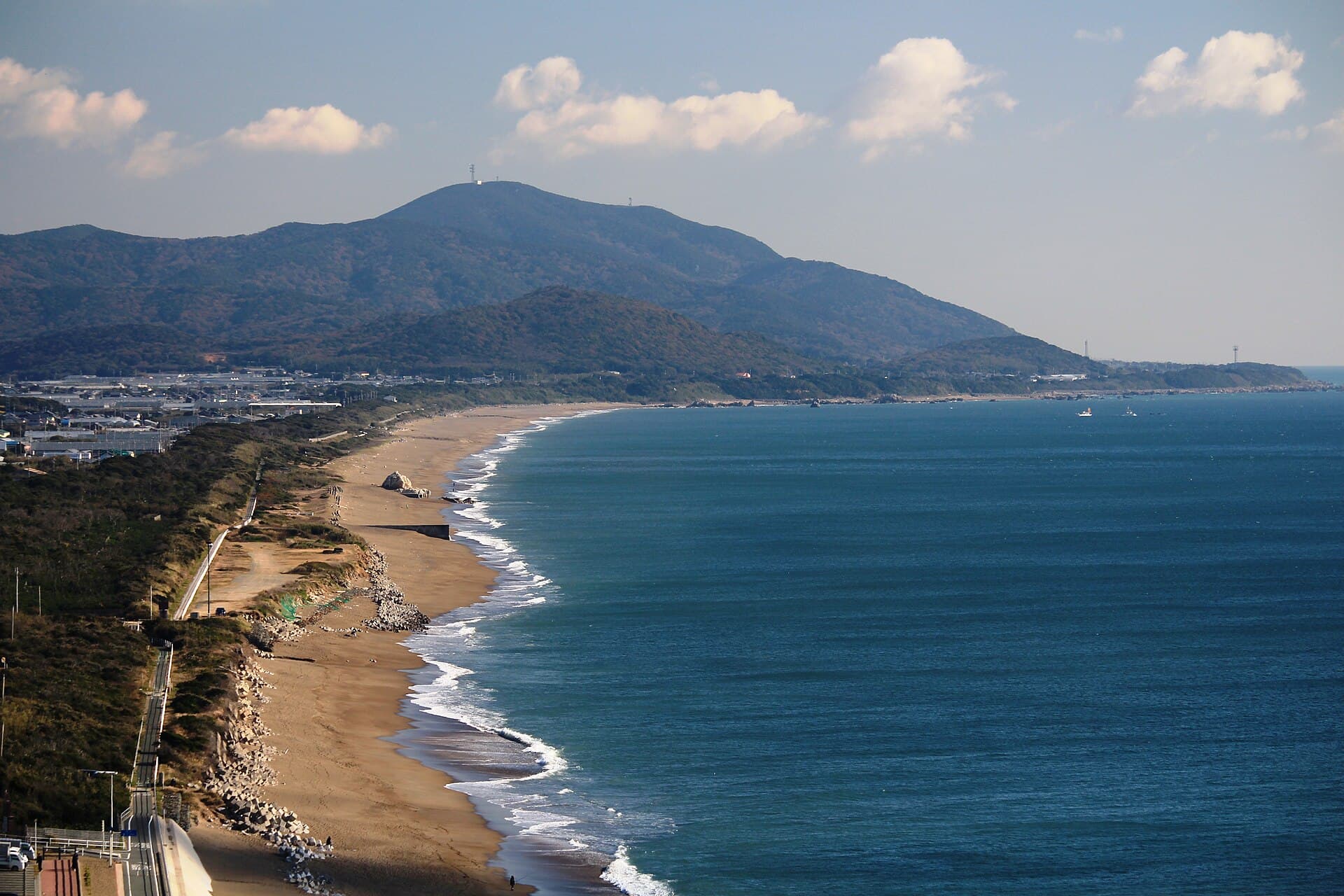
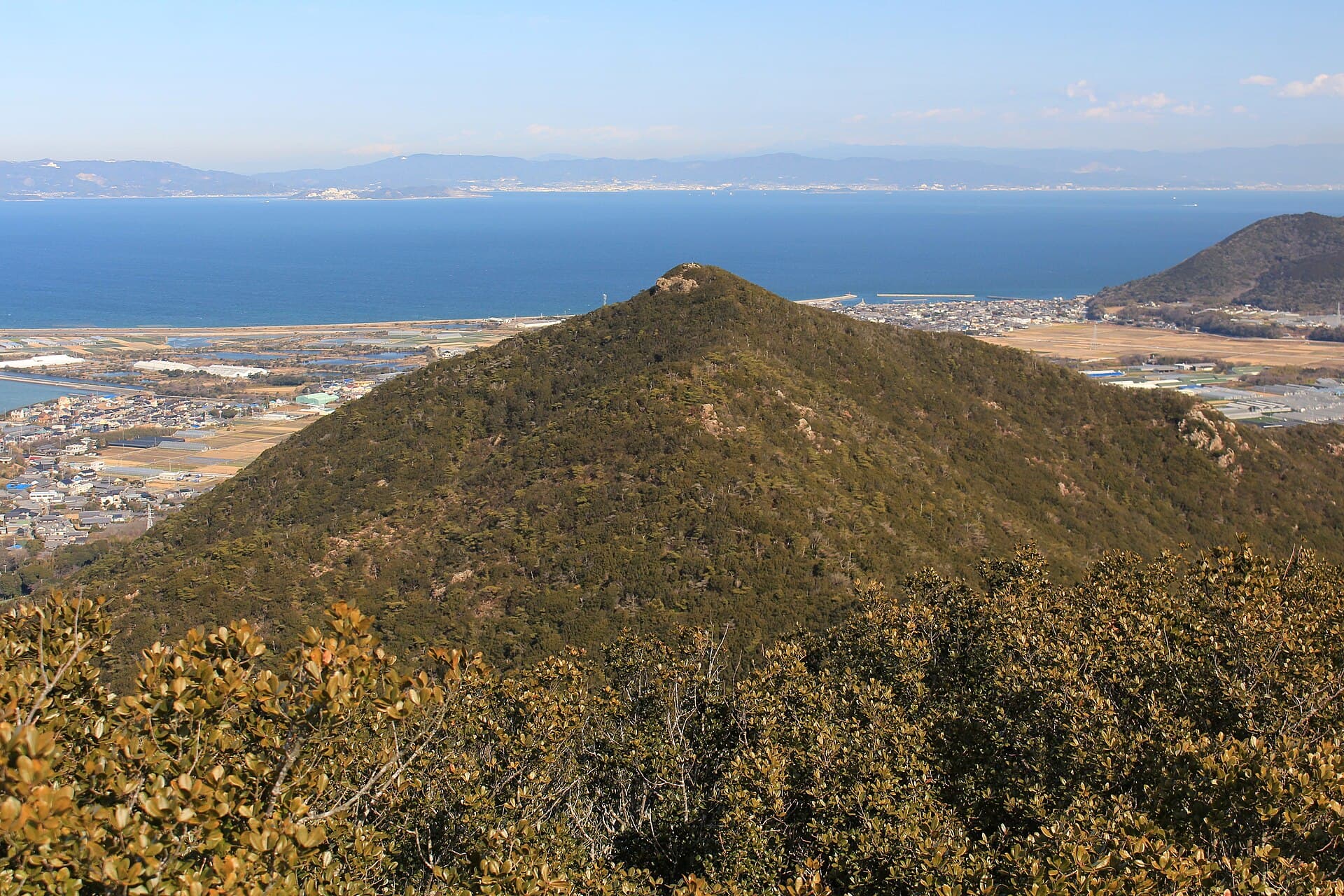
Oyama rises gently above the flat farmland and fishing villages of Tahara, offering hikers an easy escape into pine forest and open ridgelines. At 329 meters, the summit rewards visitors with unobstructed sightlines across Mikawa Bay to the Chita Peninsula and, on clear days, the distant silhouette of Mount Fuji. Unlike crowded peaks near Nagoya, Oyama sees few visitors, preserving a quiet atmosphere ideal for birdwatching and seasonal wildflowers.
Getting There
Reach the trailhead by car or local bus from Mikawa Tahara Station. From central Nagoya the drive takes roughly ninety minutes via the Tomei Expressway and Route 259. Park at the small lot near Oyama Jinja; the shrine marks the start of the main path. No shuttle service exists, so plan return transport in advance.
Trails and Summit Experience
The primary route is a well-marked loop of about 4 kilometers that gains elevation steadily through mixed forest. Allow two to three hours round-trip for most walkers. The final stretch opens onto grassy slopes where benches face the sea. In spring, cherry and camellia blooms line the lower path; autumn brings vivid maple color. Carry binoculars for raptors riding thermals above the ridge.
Practical Route Tips
- Follow the red trail markers; the blue loop adds a detour to a small waterfall.
- Restrooms and a single vending machine stand at the shrine; bring extra water for the climb.
- Stay on established paths to protect the fragile ridge vegetation.
Best Time to Visit
March through May and October through November deliver the clearest skies and mild temperatures. Summer hikes are possible but humid; winter offers crisp air yet occasional frost on shaded slopes. Avoid the mountain during typhoon season (August–September) when trails can become muddy and slippery.
Nearby Attractions
Combine a morning on Oyama with an afternoon at Cape Irago, thirty minutes south by car, for lighthouse views and fresh seafood. The historic town of Tahara itself features a reconstructed castle and weekend morning markets selling local melons and dried fish. Further east, the coastal cycling path along Atsumi Bay provides a flat contrast to the mountain hike.