Why Osoyoos Lake Draws Visitors
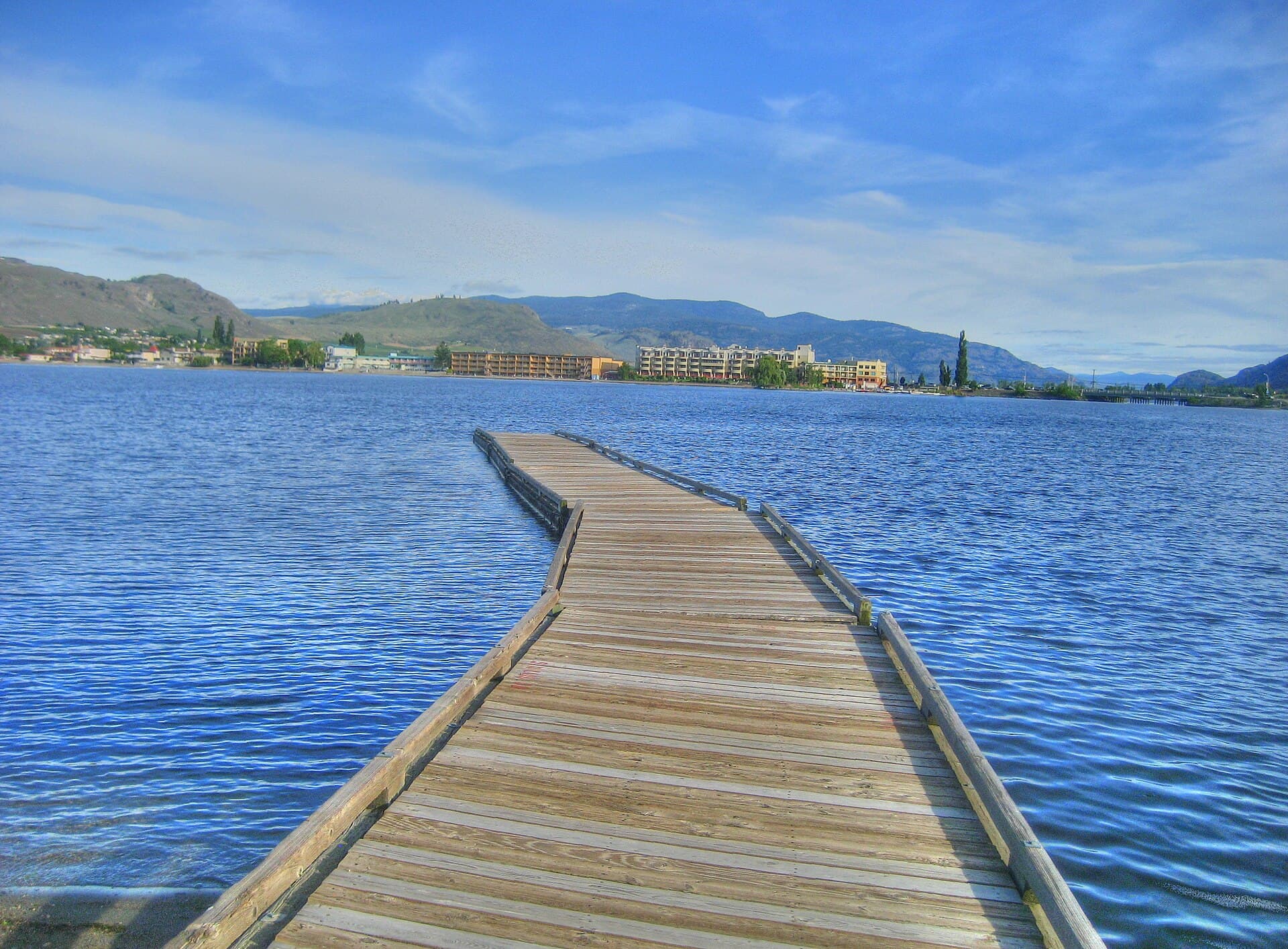
Osoyoos Lake sits in the arid Okanagan Valley, where the climate creates the warmest freshwater temperatures in Canada. The lake stretches roughly 10 kilometres along the Canada-US border, with sandy beaches and clear water that stays comfortable for swimming well into autumn. Its desert surroundings of sagebrush, ponderosa pines, and vineyards set it apart from cooler northern lakes.
Swimming, Boating, and Water Activities
Locals and visitors head to public beaches such as Osoyoos Lake Provincial Park and the municipal beach in town for long swims and paddleboarding. The lake supports powerboating, waterskiing, and kayaking, with rentals available from marinas. Anglers target smallmouth bass and rainbow trout in the deeper central basin. Because the water rarely drops below comfortable swimming levels in summer, families return year after year.
Shoreline and Land-Based Recreation
Walking and cycling trails follow the east and west shores, offering views of the lake and surrounding hills. Birdwatchers spot osprey and herons near the marshes at the northern end. The surrounding desert supports hiking trails on nearby Anarchist Mountain, where short climbs reveal panoramic valley vistas.
Getting There
Most travellers fly into Penticton Regional Airport or Kelowna International Airport, then drive south along Highway 97. The lake lies directly beside the highway, so access is straightforward. Those crossing from Washington State use the Osoyoos border crossing, which connects directly to the lakeside community.
Best Time to Visit
July and August bring the hottest weather and busiest beaches. Late May through June and September offer warm water with fewer crowds and lower accommodation rates. Winter visits focus on the surrounding wine region rather than lake activities, as temperatures drop and winds increase.
Nearby Attractions
The town of Osoyoos provides restaurants and shops within minutes of the water. Dozens of wineries line the valley floor and hillsides, many offering tastings with lake views. A short drive north leads to Vaseux Lake and its bird observatory, while south across the border lies the small community of Oroville, Washington. The Nk’Mip Desert Cultural Centre sits on the east shore and interprets the Syilx people’s relationship with the landscape.