
Keep reading
Nearby & related
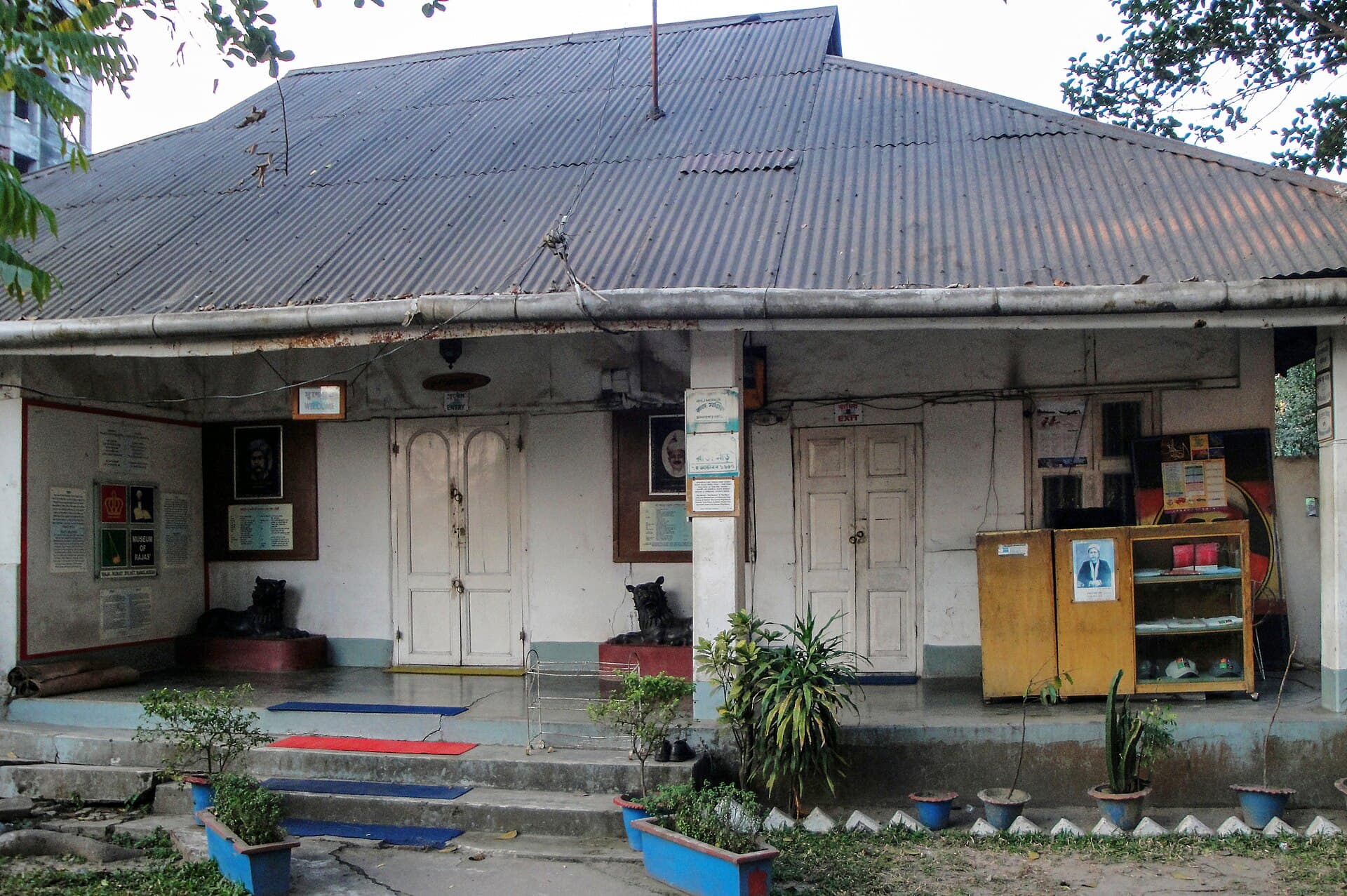
Museum of Rajas’ in Sylhet: Tracing the Heritage of Local Royalty
Explore artifacts and stories from Sylhet’s zamindari era at this focused museum highlighting the region’s royal past.
24 September 2026
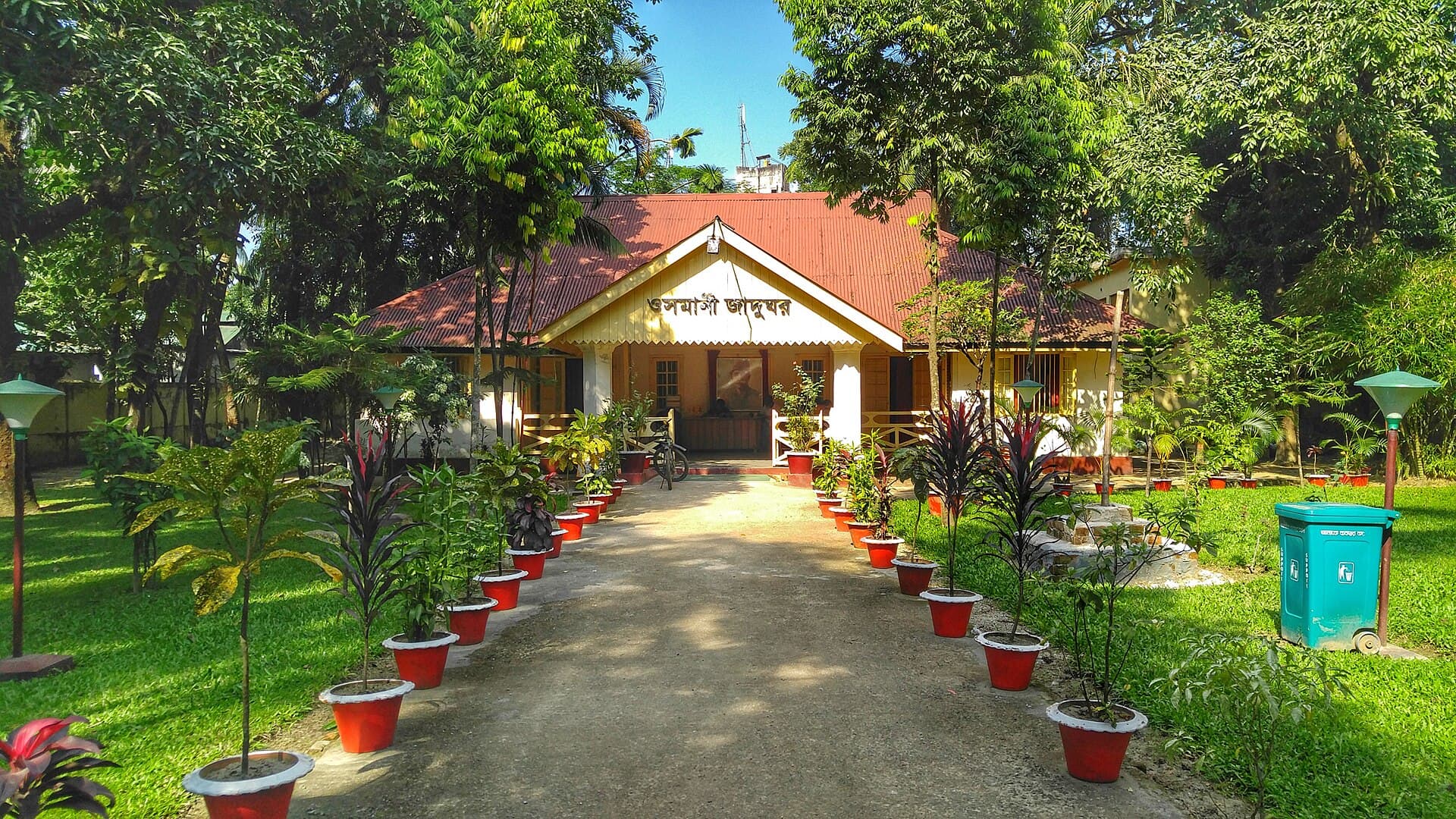
Step into the story of General M.A.G. Osmany and Bangladesh's 1971 independence at this focused Sylhet museum.
Osmany Museum honors General Muhammad Ataul Ghani Osmany, the commander-in-chief of Bangladesh’s liberation forces in 1971. Housed in a preserved residence in central Sylhet, the museum presents his personal belongings, military documents, and photographs that trace his journey from Sylhet’s tea estates to the battlefields of independence. Visitors gain a clear view of how one local leader shaped national events without relying on dramatic reenactments.
The ground floor displays uniforms, medals, and handwritten letters that illustrate Osmany’s early military career in the Pakistan Army and his decision to join the Mukti Bahini. Upstairs rooms contain maps of 1971 operations and family artifacts that show his Sylheti roots. A small library holds books on the war, allowing quiet reading. The courtyard garden, planted with local species, offers a calm space to reflect after viewing the exhibits.
The museum sits within easy reach of Sylhet’s railway station and bus terminals. Rickshaws and ride apps cover the short distance from most city hotels. Travelers arriving by air can take a taxi from Osmani International Airport in under thirty minutes. The drier months from October through March bring comfortable temperatures and clear skies, ideal for walking between the museum and nearby sites. Monsoon season brings heavy rain that can limit outdoor movement.
After the museum, many visitors continue to the shrine of Shah Jalal, a short distance away, to understand Sylhet’s spiritual history. Tea estates on the city’s outskirts offer guided walks through rolling gardens that supplied the region’s economy during Osmany’s era. The nearby river port at Surma provides a glimpse of local trade routes that once supported freedom fighters. These stops together create a full day focused on Sylhet’s role in Bangladesh’s past and present.
Most visitors spend between one and two hours to read the displays and explore the garden at a comfortable pace.
The museum works well for older children interested in history, though younger visitors may need guidance to understand the wartime context.
Yes, the central location makes it easy to visit the Shah Jalal shrine and nearby tea estates in a single morning or afternoon.
October to March offers cooler, drier weather that supports walking between the museum and surrounding attractions.
Local guides familiar with 1971 history sometimes offer informal explanations outside the building; ask at the entrance upon arrival.
Keep reading
Explore artifacts and stories from Sylhet’s zamindari era at this focused museum highlighting the region’s royal past.