
Keep reading
Nearby & related
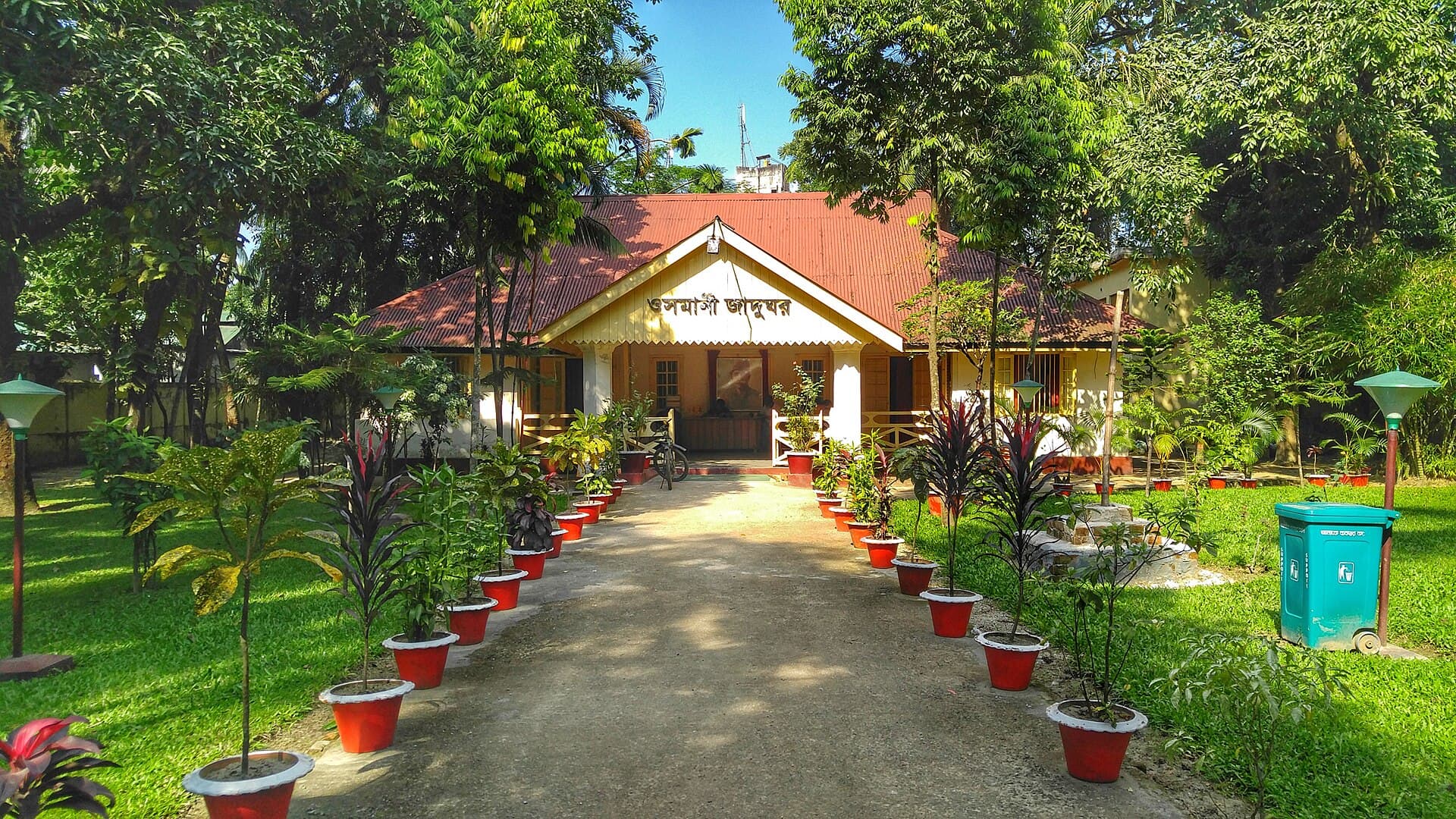
Osmany Museum in Sylhet: Tracing Bangladesh’s Liberation Legacy
Step into the story of General M.A.G. Osmany and Bangladesh’s 1971 independence at this focused Sylhet museum.
24 September 2026
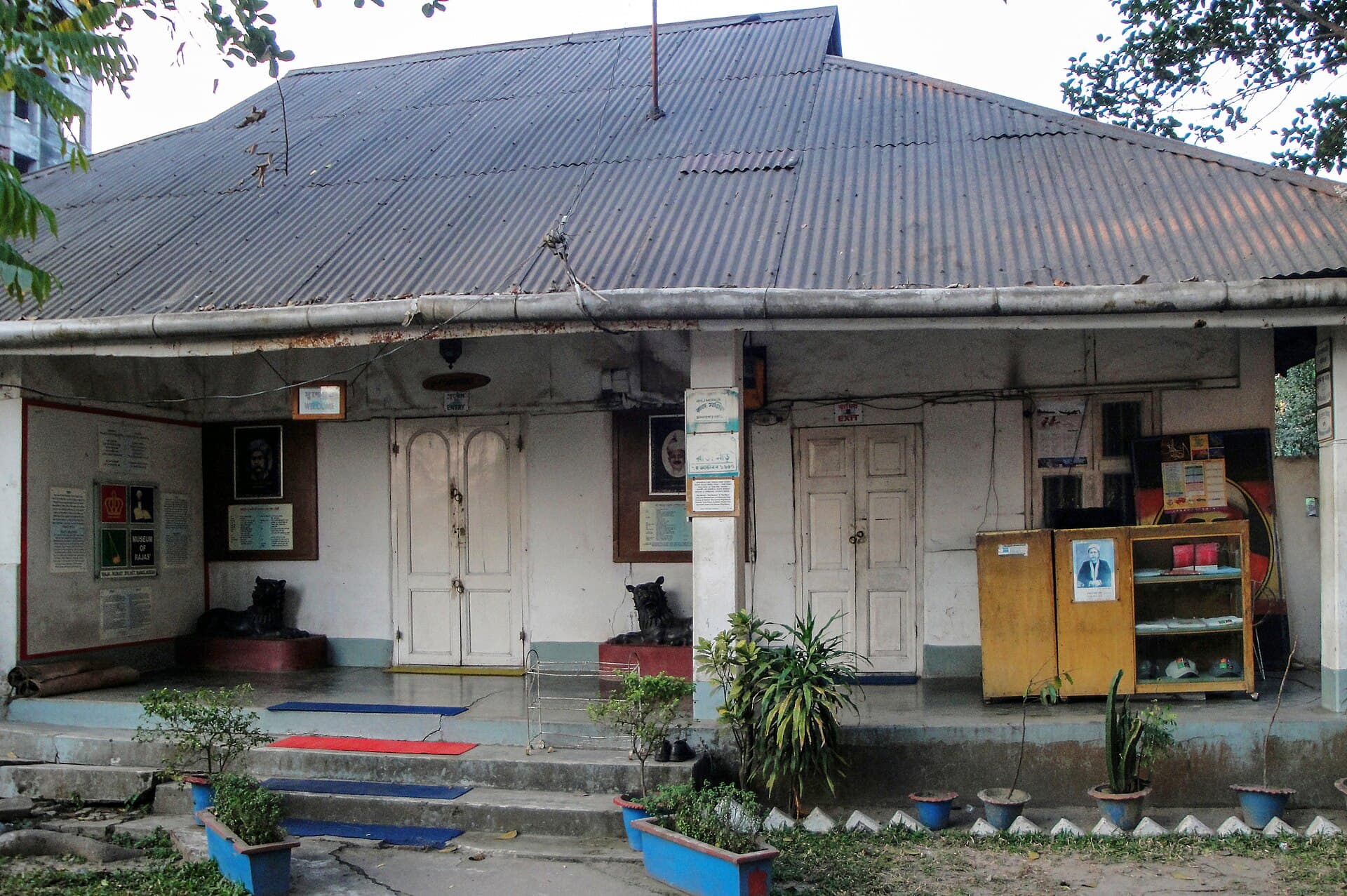
Explore artifacts and stories from Sylhet's zamindari era at this focused museum highlighting the region's royal past.
The Museum of Rajas’ preserves objects and records tied to the zamindars and local rulers who shaped Sylhet’s social and economic life before and during the British period. Visitors encounter period furniture, land deeds, family portraits, and household items that illustrate daily administration, trade links, and cultural practices in the Surma Valley.
Exhibits are arranged thematically across modest galleries. One section displays silverware and textiles once used in zamindar households, while another focuses on agricultural records and tea-estate documents that reveal how land management evolved. A small library corner holds printed histories and maps that help connect the displayed objects to broader events in northeastern Bengal. Most visitors spend 60 to 90 minutes walking the rooms and reading the bilingual labels.
The museum lies within Sylhet city, reachable by auto-rickshaw or hired car from the railway station or bus terminals. Travelers arriving at Osmani International Airport can continue by pre-arranged taxi or local transport along the main roads leading toward the older quarters of town. Clear signage at major intersections assists first-time visitors.
October through March offers the most comfortable temperatures and lower rainfall, allowing pleasant outdoor movement between the museum and nearby sites. Monsoon months bring humidity and occasional flooding that can limit walking in the surrounding streets.
Most visitors find one hour sufficient to view the main galleries, though those interested in land records or family histories may stay longer.
Yes, the exhibits are compact and the objects are displayed at accessible heights, though younger children may need adult help reading the explanatory panels.
Photography is generally permitted for personal use; visitors should confirm current rules at the entrance on arrival.
Yes, the museum's central location makes it easy to reach Shah Jalal's shrine or the riverfront afterward by short rickshaw ride.
Labels appear in both Bengali and English, allowing most international visitors to follow the main themes without translation.
Keep reading
Step into the story of General M.A.G. Osmany and Bangladesh’s 1971 independence at this focused Sylhet museum.