
Keep reading
Nearby & related
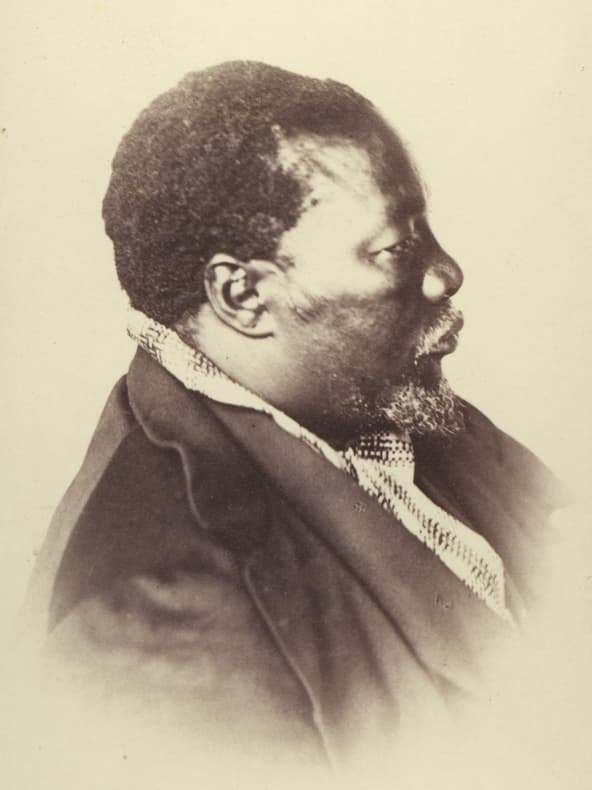
Kgosi Sechele I Museum: Tracing Botswana’s Royal History in Molepolole
Explore the life and legacy of Kgosi Sechele I, the influential Bakwena leader, at this cultural landmark in Botswana’s…
12 October 2026
Step into Botswana’s deep past at the Ntsweng archaeological site, where ancient settlement remains reveal centuries of Tswana heritage.
Ntsweng lies just outside Molepolole in Botswana’s Kweneng District, offering visitors a rare glimpse into pre-colonial life. The site preserves stone foundations, pottery scatters and kraal outlines that mark a once-thriving settlement whose inhabitants shaped the region long before European contact.
Archaeologists trace Ntsweng to the Later Iron Age, when Tswana-speaking communities established permanent villages with sophisticated livestock management and trade networks. The visible ruins illustrate how people adapted to the semi-arid landscape, using local stone for defensive walls and water management. Finds from the area link Ntsweng to broader southern African histories of migration and cultural exchange.
Walk the marked trails that wind among low stone walls and circular house platforms. Look for grinding stones still embedded in the ground and shards of decorated pottery that hint at daily life. A small interpretive trail explains the layout of the central kraal and surrounding homesteads. Photographers find striking views at sunrise when the low light accentuates the stone patterns against the savanna.
From Gaborone, take the A1 highway northwest to Molepolole, roughly 60 km. Continue on the main road through town, then follow signs toward the western outskirts where a gravel track leads to the fenced site. A high-clearance vehicle is advisable on the final stretch, especially after rain. Local taxis or arranged transfers from Molepolole lodges provide an alternative for those without a car.
The cooler, drier months from May to October offer the most comfortable conditions for walking and photography. Avoid the peak rainy season of December to February when tracks can become impassable and vegetation obscures features. Early morning visits reduce heat exposure and increase chances of spotting wildlife that occasionally passes through the area.
Combine a visit with Molepolole’s cultural sites, including the historic Bakwena royal graves and the modern Kweneng District Museum. Further afield, the Thamaga pottery village and the scenic hills around Ditlhakane offer additional insight into contemporary and ancient crafts. Nature lovers can extend the day at nearby game reserves that protect the same savanna ecosystem once used by Ntsweng’s inhabitants.
Ntsweng is an Iron Age archaeological site featuring the stone foundations of an ancient Tswana village near Molepolole.
Most visitors spend one to two hours walking the trails and reading the interpretive panels.
Yes, the paths are relatively flat, but supervise children closely around uneven stones and keep them from touching artifacts.
Entry is free and open during daylight hours; no advance permit is required, though local guides may charge a small fee for their services.
There are no toilets, shops or drinking water at Ntsweng itself, so plan accordingly in Molepolole before heading out.
Keep reading
Explore the life and legacy of Kgosi Sechele I, the influential Bakwena leader, at this cultural landmark in Botswana’s…