
Keep reading
Nearby & related
Molepolole
Ntsweng: Botswana’s Hidden Archaeological Gem in Molepolole
Step into Botswana’s deep past at the Ntsweng archaeological site, where ancient settlement remains reveal centuries of…
13 October 2026
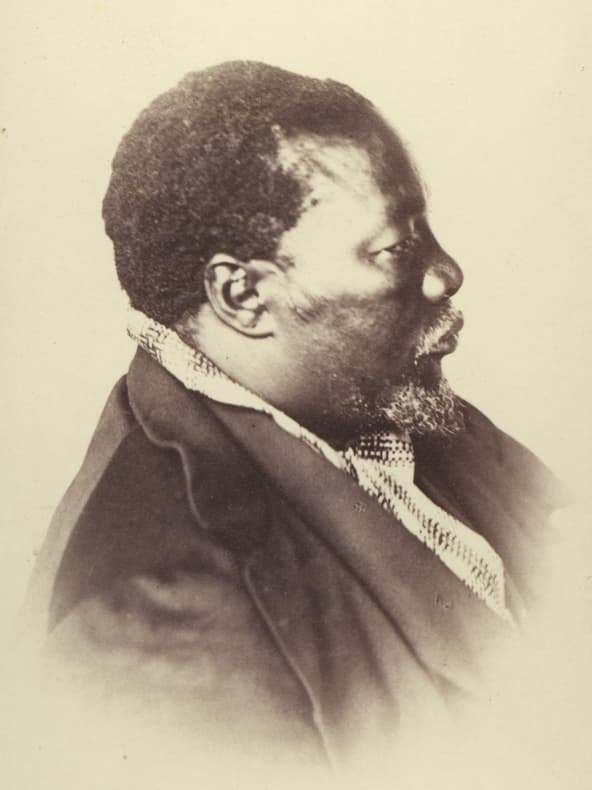
Explore the life and legacy of Kgosi Sechele I, the influential Bakwena leader, at this cultural landmark in Botswana’s Kweneng District.
Located in Molepolole, the traditional capital of the Bakwena people, the Kgosi Sechele I Museum preserves the story of one of Botswana’s most pivotal 19th-century leaders. Kgosi Sechele I unified the Bakwena, negotiated with European missionaries and traders, and played a key role in shaping early modern Botswana. The museum sits within the historic royal precinct, offering visitors an intimate look at local governance, diplomacy, and cultural continuity.
Born around 1812, Sechele rose to chieftainship in a period of regional upheaval. He welcomed David Livingstone, became the first Motswana ruler to convert to Christianity, and signed treaties that protected Bakwena lands. His reign balanced tradition with strategic adaptation, leaving a lasting impact on Botswana’s political landscape. The museum presents this narrative through personal artifacts, correspondence, and oral histories collected from Bakwena elders.
Visitors encounter displays of traditional regalia, including the chief’s kaross and staff, alongside letters exchanged with missionaries. A recreated kgotla setting illustrates how Sechele conducted public meetings and resolved disputes. Photographs and maps trace the expansion of Molepolole and the routes used by traders and hunters. Temporary exhibitions often highlight contemporary Bakwena artists who reinterpret royal symbolism.
The cooler dry months from May to October provide the most comfortable conditions for exploring outdoor elements of the site and combining a museum visit with walks around the village. November to April brings greener landscapes but occasional heavy rains that can affect travel on gravel roads.
Molepolole lies roughly 60 kilometers west of Gaborone along the A12 highway. Regular minibuses depart from Gaborone’s main bus rank, while self-drivers can reach the museum via the main road into the village center. Once there, the site is walkable from the kgotla and nearby shops. Travelers often combine the museum with a stop at the nearby Kopong Hills or the Letlhakeng salt pans for a fuller picture of Kweneng landscapes and livelihoods.
Allow at least ninety minutes to read the interpretive panels and speak with staff, many of whom are Bakwena community members. Respect protocols by greeting elders and removing hats inside certain display areas. Photography is generally permitted without flash, though some sacred items may be off-limits. The museum offers shaded seating areas ideal for reflecting on the exhibits before continuing to other village attractions.
Most visitors spend one to two hours inside; allow extra time if you wish to explore the surrounding royal precinct and village center.
Yes, the exhibits include visual storytelling and recreated settings that engage younger visitors, though some displays contain historical firearms that parents may wish to discuss beforehand.
Photography without flash is permitted in most areas, but staff will indicate any restricted items or spaces.
Basic facilities are available at the museum, and small shops and eateries line the main road a short walk away.
The main exhibition rooms are on a single level, though some outdoor paths may be uneven; contact the museum in advance for current accessibility details.
Keep reading
Step into Botswana’s deep past at the Ntsweng archaeological site, where ancient settlement remains reveal centuries of…