Why Nootka Island Stands Out
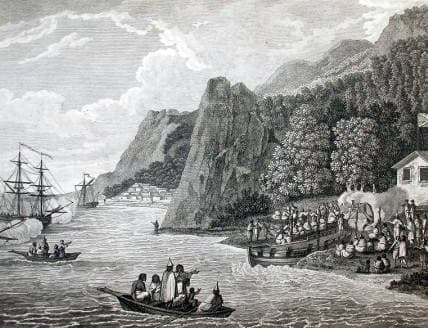
Nootka Island lies off the northwest coast of Vancouver Island, offering visitors a rare chance to experience true coastal wilderness without crowds or infrastructure. Its dense temperate rainforest, dramatic sea stacks, and sheltered coves create a landscape shaped by Pacific storms and rich Nuu-chah-nulth heritage. The island gained lasting historical note as the site of early European contact when Captain James Cook anchored in 1778, yet its appeal today rests on natural isolation rather than monuments.
Getting to Nootka Island
Access requires planning because no roads or ferry terminals serve the island. Most travelers fly into Gold River or Tofino on Vancouver Island, then arrange water taxi or floatplane transfers to points such as Esperanza Inlet or Friendly Cove. Floatplane operators based in Gold River provide the most direct scenic route, landing directly in sheltered bays. Boaters with suitable vessels can navigate from Tahsis or Zeballos, watching carefully for tidal currents and weather windows in the open Pacific.
Essential Logistics
- Arrange transport well ahead, especially in peak summer months when demand is high.
- Confirm landing permissions with local operators or the Mowachaht/Muchalaht First Nation for Friendly Cove.
- Prepare for self-sufficient travel; no services exist once you arrive.
Things to See and Do
Hiking the Nootka Trail ranks among the premier coastal treks in Canada, following sandy beaches and headlands for roughly 35 kilometres between Louie Creek and Friendly Cove. Wildlife viewing includes sea otters, whales, and seabirds along the shoreline. Surfing at Bajo Point draws experienced riders seeking powerful Pacific waves, while kayakers explore protected inlets teeming with marine life. At Friendly Cove, visitors can tour the historic lighthouse and learn about Nuu-chah-nulth culture through interpretive signs and occasional guided programs.
Best Time to Visit
Late spring through early fall offers the most reliable weather for hiking and paddling, with longer daylight and fewer storms. Summer brings the driest conditions but also more insects and higher visitor numbers on the trail. Shoulder seasons reward prepared travelers with solitude and dramatic seascapes, though sudden rain and wind can occur any month.
Places Nearby
After time on Nootka, many extend trips to the communities of Gold River and Tahsis for resupply and hot meals. Further south, the surf town of Tofino provides additional coastal exploration along the Pacific Rim, while the sheltered waters around Nootka Sound invite multi-day boat charters.