Why the Ngoko River Deserves a Place on Your Itinerary
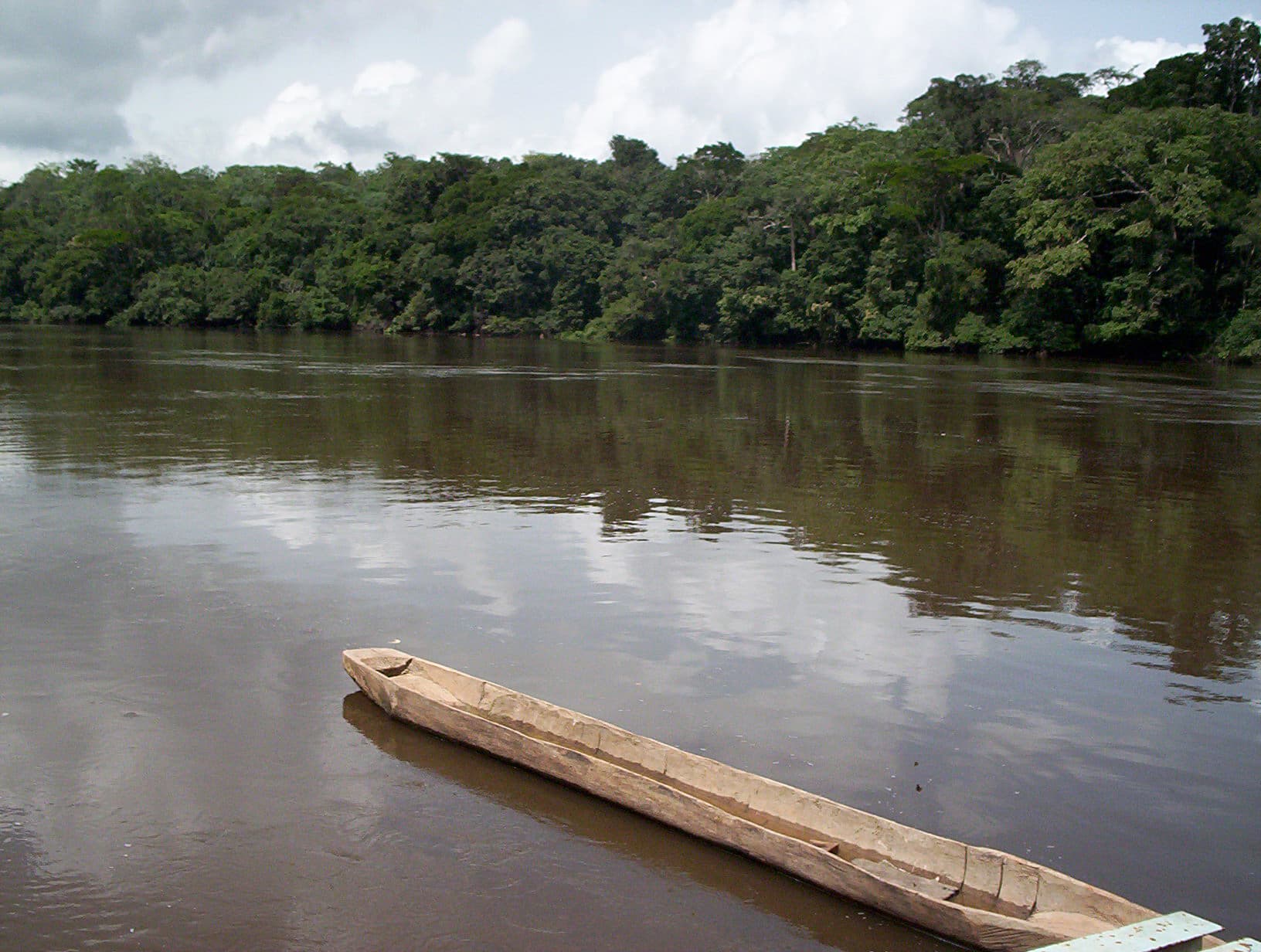
The Ngoko River carves through dense lowland forest in Cameroon’s East Region, forming part of the vast Congo Basin watershed. Its dark, tea-stained waters support abundant fish populations and serve as a vital corridor for forest elephants, primates, and hundreds of bird species. Because the river remains far from major tourist circuits, visitors encounter few crowds and experience authentic village life along its banks.
How to Reach the Ngoko
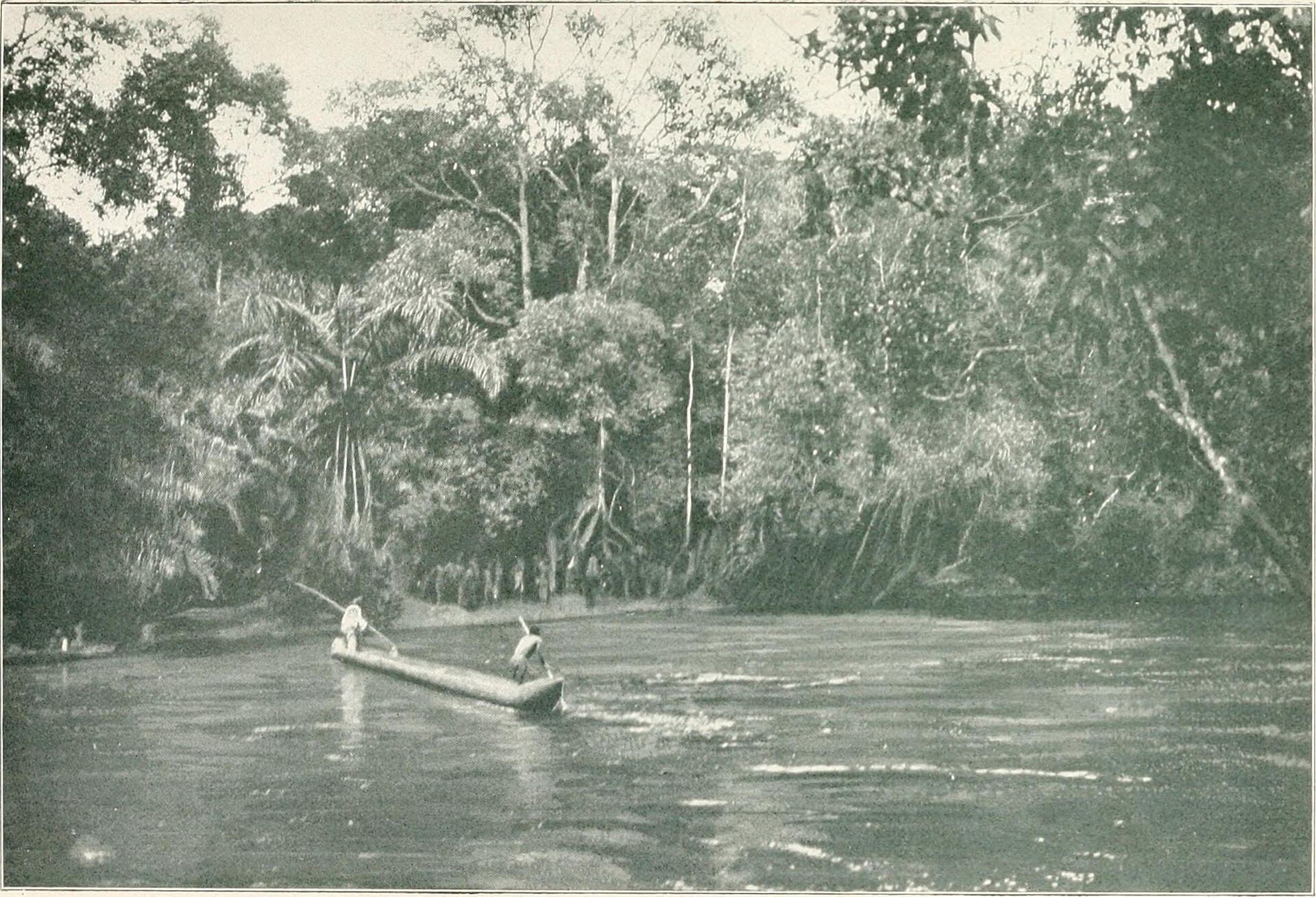
Most travelers begin in the regional hub of Yokadouma, then continue by sturdy 4×4 or river taxi to the small settlements of Moloundou or Ngoko village itself. From there, local pirogues provide the only practical transport deeper into the forest. Roads are unpaved and can become impassable after heavy rain, so allow extra time for overland segments.
Best Time to Visit
The drier months from December through February offer lower water levels and clearer forest trails, making canoe travel and wildlife spotting easier. The long rainy season (March–November) brings higher water that can simplify navigation but increases insect activity and the risk of sudden flooding.
Activities on and Around the River
- Canoe expeditions: Multi-day paddles reveal hidden oxbow lakes and sandbars where elephants come to drink.
- Community visits: Stops at riverside Baka and Bantu villages provide insight into traditional fishing techniques and forest knowledge.
- Birdwatching and fishing: Early mornings yield sightings of African grey parrots, hornbills, and kingfishers; anglers target tilapia and catfish.
- Forest walks: Short guided hikes from riverside camps lead to salt licks and old-growth trees draped in lianas.
Nearby Attractions
The Ngoko lies close to the Cameroon–Republic of Congo border, allowing extensions into the tri-national Sangha River area and its protected reserves. Boumba Bek and Nki National Parks lie within a day’s travel and protect even larger tracts of intact forest.
Practical Considerations
Travelers should carry sufficient fuel, water purification supplies, and a satellite communicator. French is essential outside larger towns; a few phrases in the local languages help when arranging boat transport with villagers.