
Keep reading
Nearby & related
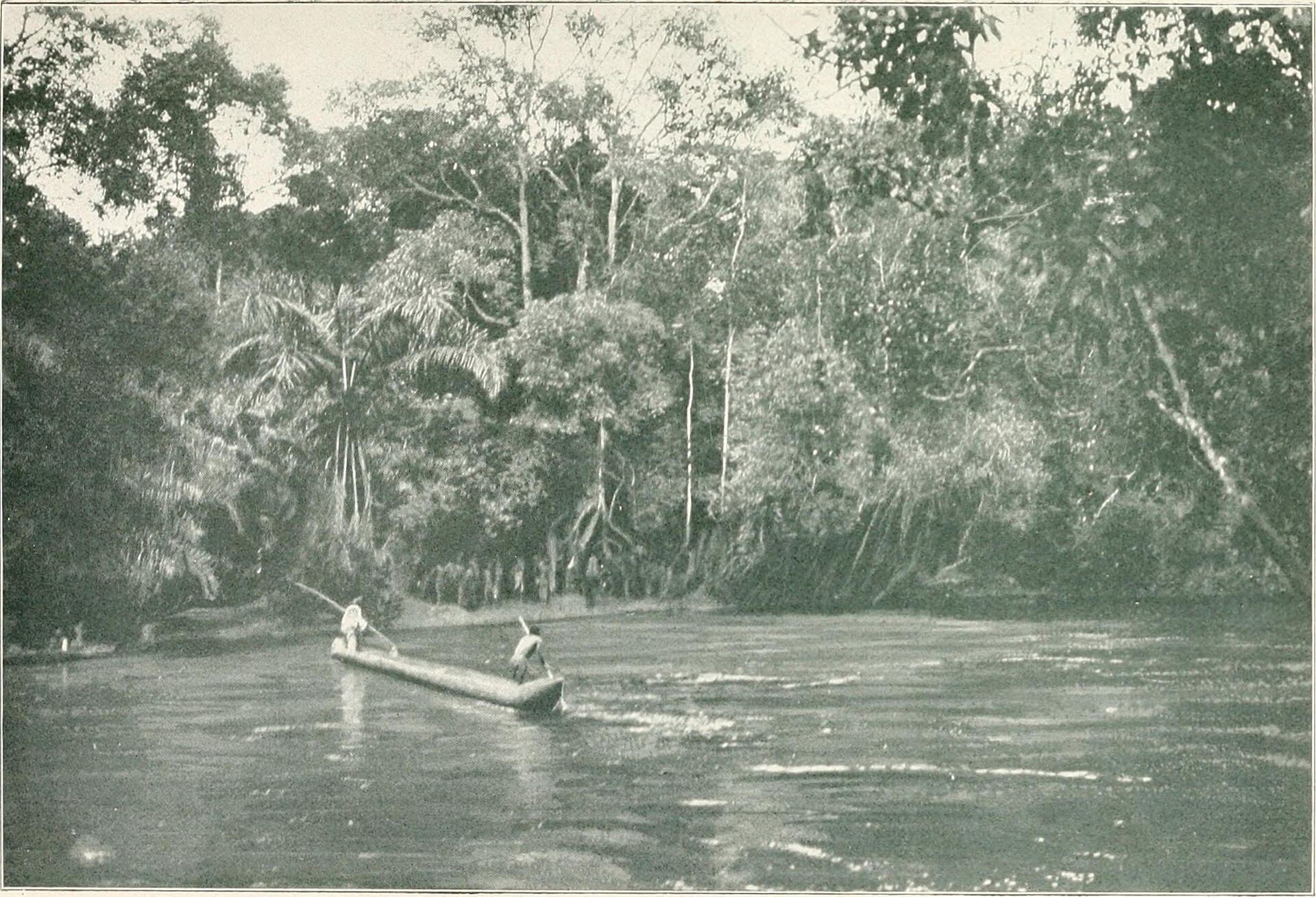
Boumba River: Canoeing Through Cameroon’s Eastern Rainforest Wilderness
Discover wildlife-rich waters and remote rainforest adventures along the Boumba River in East Cameroon.
28 October 2026
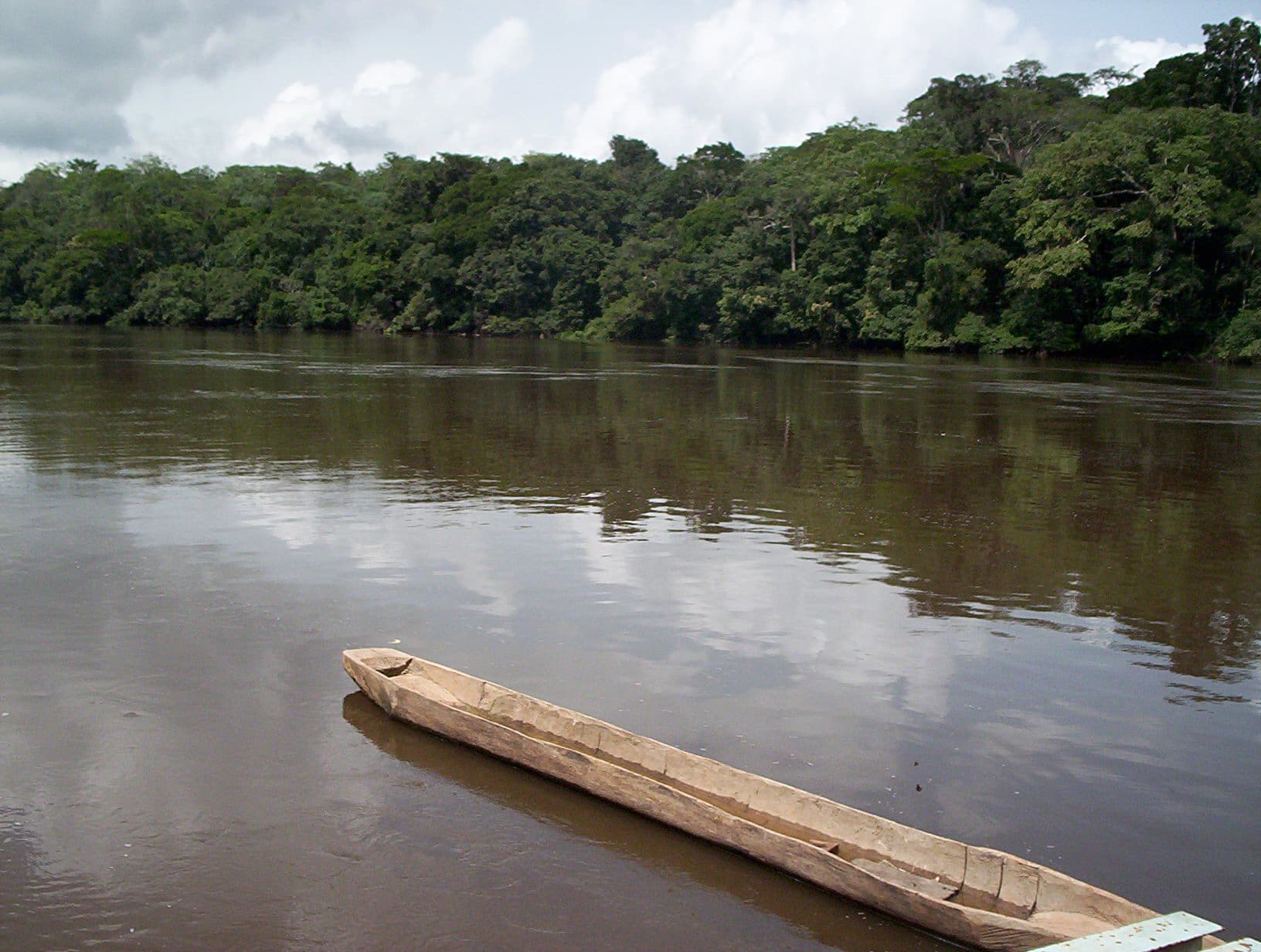
The Dja River carves through East Cameroon's dense forests, offering access to exceptional biodiversity near the UNESCO-listed Dja Faunal Reserve.
The Dja River forms a vital artery through Cameroon’s eastern rainforests, feeding into the Sangha River system and bordering one of Central Africa’s most intact forest blocks. Its slow-moving waters support dense riparian vegetation and create natural corridors for forest elephants, western lowland gorillas, and dozens of primate species that remain difficult to observe elsewhere in the country.
Travelers on the river commonly spot African forest elephants at watering points during early morning or late afternoon. Birdlife is prolific, with species such as the grey parrot and various hornbills frequenting the canopy. Local fishing communities use traditional pirogues, providing opportunities to observe sustainable river use while learning about Baka and Bantu fishing techniques passed down through generations.
Guided canoe journeys allow quiet exploration of side creeks where crocodiles bask and hippos occasionally surface. Short forest walks from river camps reveal medicinal plants and tracks of duikers and pangolins. Community visits near the riverbanks introduce visitors to bark-cloth making and traditional honey harvesting without venturing deep into restricted reserve zones.
Most journeys begin in Yaoundé with a multi-day drive or combination of domestic flight to Bertoua followed by road travel southeast. The final stretch often involves four-wheel-drive vehicles or river transfer from small landing points. Independent travelers usually arrange transport through regional tour operators familiar with logging roads and river crossings that change with seasonal water levels.
The drier months from December through February offer lower water levels that expose more riverbanks for wildlife viewing and easier navigation of smaller tributaries. The main rainy season from March to November brings higher water but denser insect activity and occasional flooding of access tracks. Early dry season provides a balance between accessibility and active animal movement.
The Dja Faunal Reserve lies immediately south of sections of the river, allowing multi-day itineraries that combine river travel with limited guided walks at its periphery. Further east, the Lobéké National Park in neighboring Cameroon offers additional forest elephant viewing, while the Sangha River itself provides onward canoe routes toward the Republic of Congo border region.
Forest elephants, various monkeys, and abundant bird species are the most frequent sightings; gorillas are present but rarely visible from the water itself.
Allow two to three days by road, depending on vehicle type and seasonal road conditions; combining a flight to Bertoua shortens the journey.
Basic riverside camps and community-run shelters exist, but visitors should expect simple facilities and pre-arranged stays rather than walk-in options.
No special river permit is needed for the main channel, yet any side trips into the adjacent Dja Faunal Reserve require advance authorization through official channels.
Malaria prophylaxis, yellow fever vaccination, and strong insect repellent are standard; travelers should also carry personal medications and a basic first-aid kit.
Keep reading
Discover wildlife-rich waters and remote rainforest adventures along the Boumba River in East Cameroon.