Skip to content
Plan & Tour
DestinationsItinerariesTravel BlogAboutContact
0Sign inPlan a trip
Plan & TourPlan & Tour

Travel guides, destination inspiration and curated itineraries for Canada, the USA and beyond, plus a free tool to plan your own day-by-day trip.

Get travel inspiration

Explore

  • All Destinations
  • Curated Itineraries
  • Travel Blog
  • Plan a Trip

Topics

  • Hiking & Nature
  • Food & Drink
  • City Breaks
  • Budget Travel

Company

  • About Us
  • Contact
  • Privacy Policy
  • Terms of Service

© 2026 Plan & Tour. Built for travellers.

Discover the world, one trip at a time.

National Museum of Cameroon: Exploring Yaoundé’s Cultural Heart
  1. Home
  2. Destinations
  3. Yaoundé
  4. National Museum of Cameroon: Exploring Yaoundé’s Cultural Heart
Museum

National Museum of Cameroon: Exploring Yaoundé’s Cultural Heart

Trace Cameroon’s ethnic diversity and artistic traditions through the permanent collections of the National Museum in central Yaoundé.

YaoundéUpdated 28 October 2026

Why the National Museum Matters

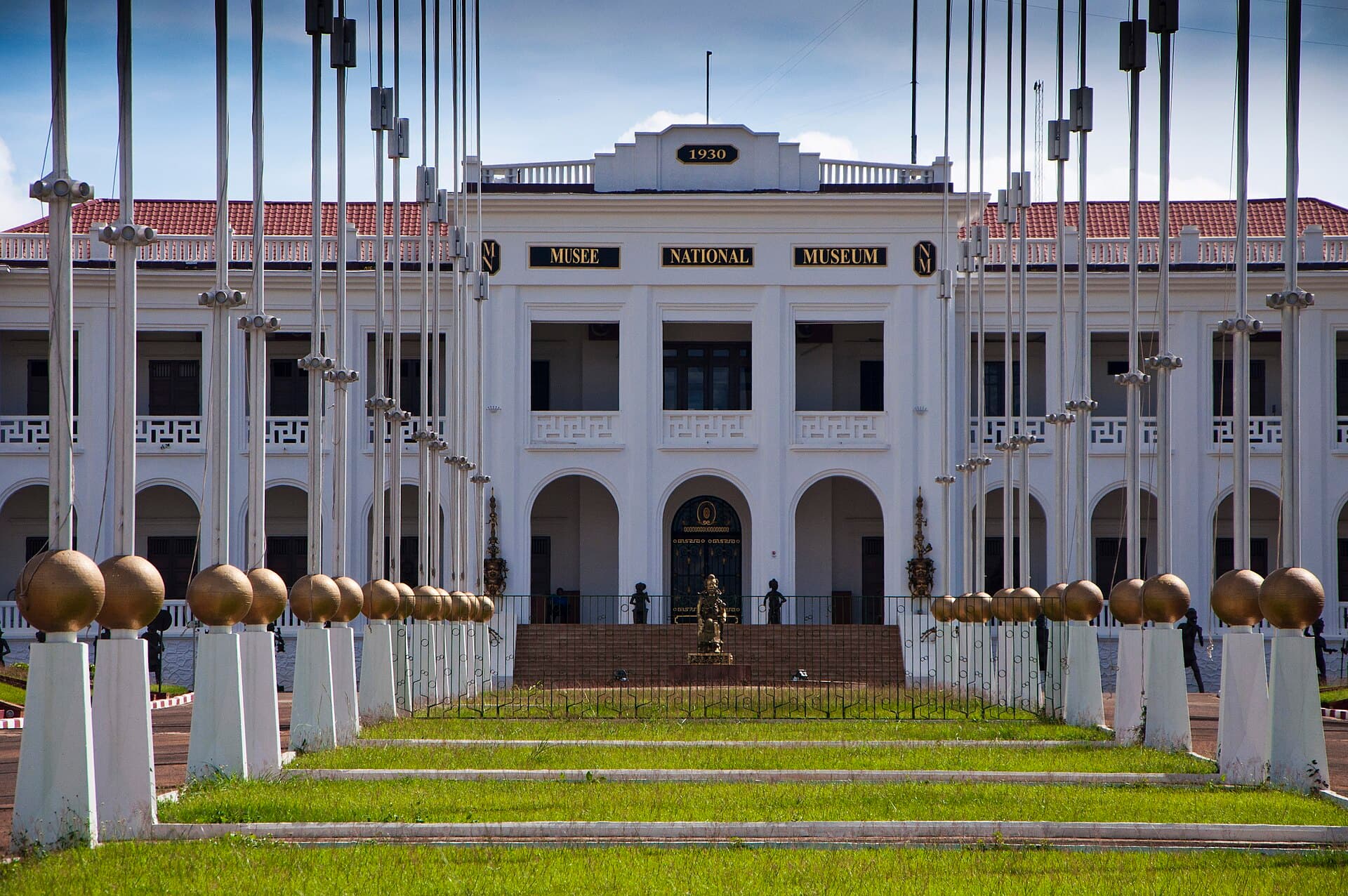
The National Museum of Cameroon preserves the country’s material heritage in a single, accessible location in Yaoundé. Its holdings span the savanna, forest, and coastal regions, showing how different ethnic groups have shaped sculpture, textiles, and ritual objects over centuries. Visitors gain a concise overview of national identity without traveling to distant villages.

Key Collections and What to See

Traditional Art and Ethnography

Wooden masks, stools, and drums from the Bamileke, Bamoun, and Tikar peoples occupy the main galleries. Look for the large royal thrones and beaded elephant masks that illustrate hierarchical court traditions. Rotating cases often display iron currency and terracotta figures from archaeological sites in the north.

Colonial and Independence Era

A smaller wing covers the transition from German and French administration to independence in 1960. Photographs, documents, and everyday objects show how urban life in Yaoundé developed alongside rural customs.

Getting There and Orientation

The museum sits on a rise near the city center, a short taxi ride from the central market or the main bus station. Most visitors arrive by shared taxi or motorcycle taxi; drivers recognize the site by its fenced compound and flagpoles. Inside, the layout is compact, with rooms arranged around a central courtyard that provides shade between galleries.

Best Time to Visit

The drier months from November through February bring cooler temperatures and fewer sudden downpours, making walking between the museum and nearby sites more comfortable. Weekday mornings are quieter; school groups tend to arrive after 10 a.m. on weekdays.

Nearby Attractions Worth Combining

  • The Yaoundé Cathedral offers a contrasting architectural experience a short walk uphill.
  • Artisan markets along the surrounding streets sell contemporary versions of the masks and textiles seen inside the museum.
  • The botanical gardens provide a green break after several hours indoors.

Allow two to three hours for a thoughtful visit; the museum works well as a half-day stop before heading to the city’s administrative quarter or the Mvog-Betsi zoo on the western edge of town.

Visitor tips

  • Carry small bills for taxi fares and any optional donations at the entrance; card payments are not reliable.
  • Wear light, breathable clothing and sturdy shoesu2014the floors are often polished concrete and the walk from the main road includes steps.
  • Combine the visit with the nearby cathedral and market to make efficient use of a single taxi round-trip.

Frequently asked questions

How long should I spend at the National Museum of Cameroon?+

Most visitors complete the permanent galleries in two hours; allow an extra hour if you want to study the labels or photograph details.

Is photography permitted inside the museum?+

Non-flash photography of the permanent displays is generally allowed for personal use, but ask staff before photographing any temporary exhibitions.

Are guided tours available?+

Local guides sometimes wait near the entrance and can be hired on the spot; their explanations add context to the regional groupings of objects.

Is the museum suitable for children?+

The compact size and visual nature of the masks and thrones hold most childrenu2019s attention for about an hour; there are no interactive childrenu2019s areas.

What should I do if I want to see more Cameroonian art after the museum?+

Head to the artisan stalls immediately outside or plan a later trip to the Foumban Royal Palace, roughly four hours by road north of Yaoundu00e9.

Share
Google Maps Apple Maps Directions

Visitor info

+237 222 23 85 99

Official website

Contact info via Wikidata

Image: Z. NGNOGUE · CC BY-SA 3.0 · via Wikimedia Commons

Keep reading

Nearby & related

All stories
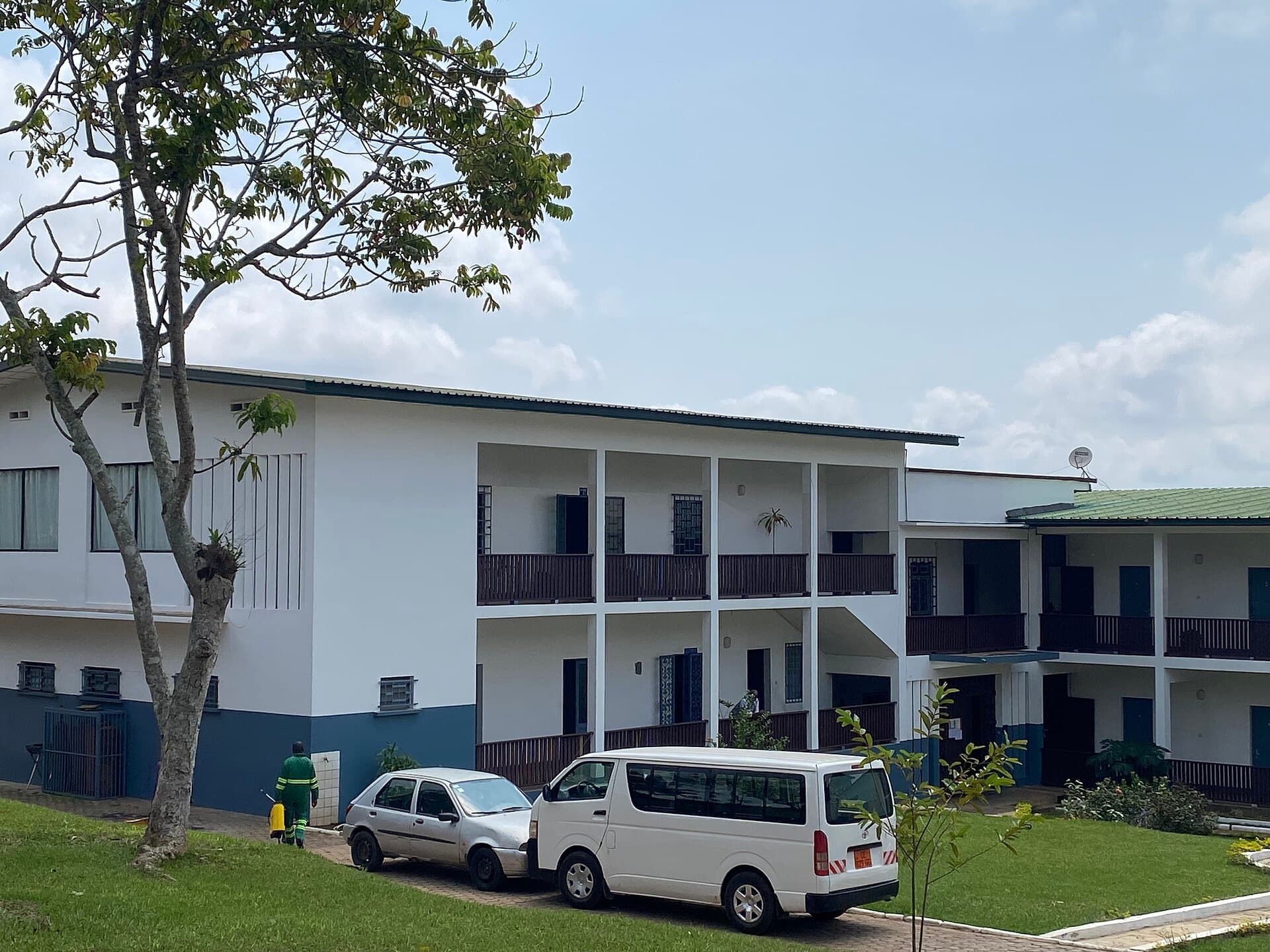
Mount Febe Benedictine Monastery Museum of the Art of Cameroon: Yaoundé’s Hidden Sanctuary of Cameroonian Heritage
Yaoundé

Mount Febe Benedictine Monastery Museum of the Art of Cameroon: Yaoundé’s Hidden Sanctuary of Cameroonian Heritage

Perched on Mount Febe above Yaoundé, this Benedictine monastery museum preserves and displays centuries of Cameroonian…

28 October 2026
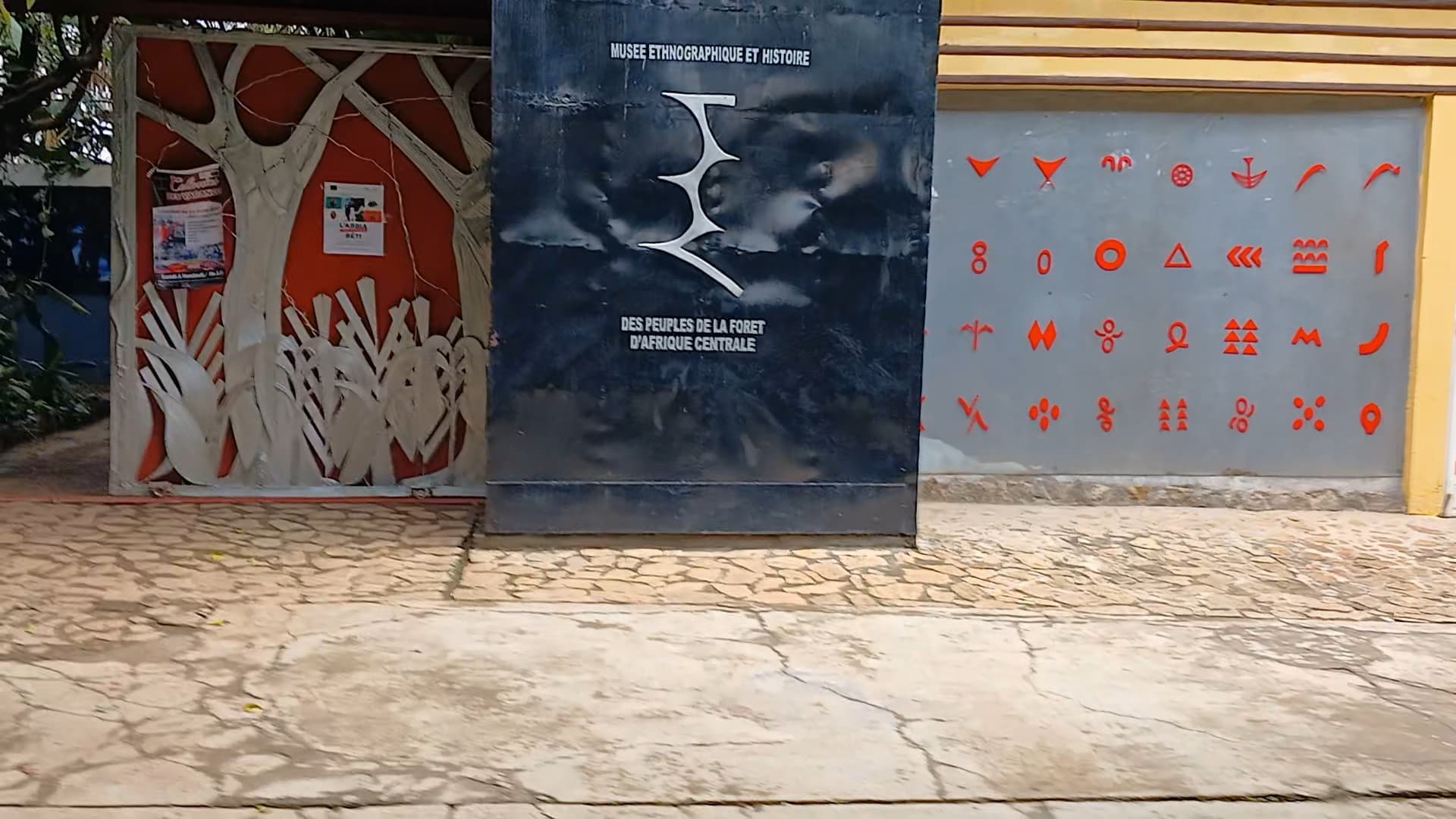
The Ethnographic Museum of Forest People in Yaoundé: Traditions of Cameroon’s Indigenous Communities
Yaoundé

The Ethnographic Museum of Forest People in Yaoundé: Traditions of Cameroon’s Indigenous Communities

Discover the living heritage of Cameroon’s forest peoples through authentic artifacts, cultural displays, and immersive…

28 October 2026
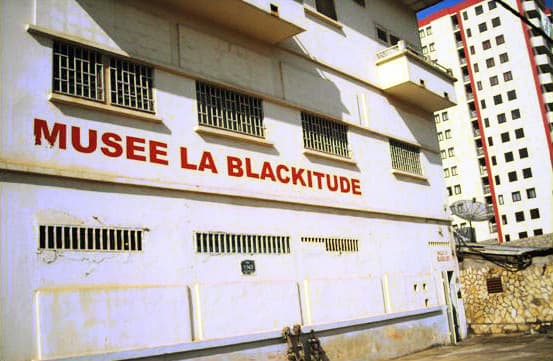
Blackitude Museum: Cameroonian Art and Heritage in Yaoundé
Yaoundé

Blackitude Museum: Cameroonian Art and Heritage in Yaoundé

Discover traditional sculptures, masks, and cultural artifacts from Cameroon’s diverse ethnic groups at this Yaoundé…

28 October 2026