Skip to content
Plan & Tour
DestinationsItinerariesTravel BlogAboutContact
0Sign inPlan a trip
Plan & TourPlan & Tour

Travel guides, destination inspiration and curated itineraries for Canada, the USA and beyond, plus a free tool to plan your own day-by-day trip.

Get travel inspiration

Explore

  • All Destinations
  • Curated Itineraries
  • Travel Blog
  • Plan a Trip

Topics

  • Hiking & Nature
  • Food & Drink
  • City Breaks
  • Budget Travel

Company

  • About Us
  • Contact
  • Privacy Policy
  • Terms of Service

© 2026 Plan & Tour. Built for travellers.

Discover the world, one trip at a time.

Blackitude Museum: Cameroonian Art and Heritage in Yaoundé
  1. Home
  2. Destinations
  3. Yaoundé
  4. Blackitude Museum: Cameroonian Art and Heritage in Yaoundé
Museum

Blackitude Museum: Cameroonian Art and Heritage in Yaoundé

Discover traditional sculptures, masks, and cultural artifacts from Cameroon’s diverse ethnic groups at this Yaoundé institution.

YaoundéUpdated 28 October 2026

Why the Blackitude Museum Matters

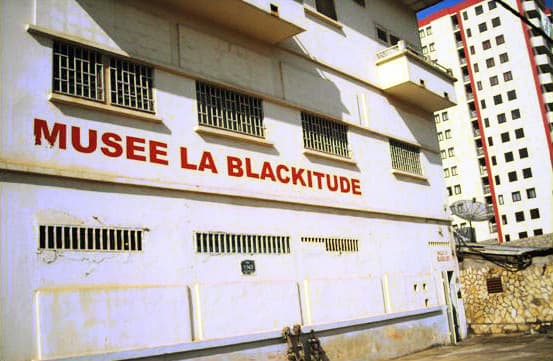
Located in Cameroon’s capital, the Blackitude Museum preserves and displays objects that reflect the artistic traditions of the country’s many ethnic communities. Visitors encounter carved wooden figures, royal regalia, and ceremonial masks that illustrate the histories of groups such as the Bamoun, Bamileke, and Tikar. The collection emphasizes continuity between past craftsmanship and present-day cultural identity rather than isolated artifacts.

What to See and Do

Permanent Displays

The galleries are arranged by region and theme. One area focuses on prestige objects once used by chiefs, including beaded thrones and elephant-tusk horns. Another section presents everyday items transformed into art, such as stools, pipes, and drums whose forms carry symbolic meaning. Temporary exhibitions rotate through contemporary interpretations of these traditions, often featuring local artists.

Guided Experiences

Staff members frequently offer short talks that explain the social roles of the objects on view. These explanations help visitors understand why certain motifs recur across different communities and how materials like wood, ivory, and raffia were chosen for durability and spiritual significance.

Getting There

The museum sits in a residential quarter of Yaoundé that is reachable by shared taxis or motorcycle taxis from the central market area. Most drivers recognize the name; travelers can also ask for the neighborhood landmark nearest the entrance. Walking from the main bus stations is possible but requires navigating hilly streets, so many visitors arrange a return ride in advance.

Best Time to Visit

Yaoundé’s climate features two rainy seasons. The drier months from November through February generally offer more comfortable conditions for walking between the museum and nearby sites. Even during drier periods, afternoon showers remain possible, so lightweight rain protection is useful. Weekday mornings tend to be quieter, allowing more time to study individual pieces without crowds.

Nearby Attractions

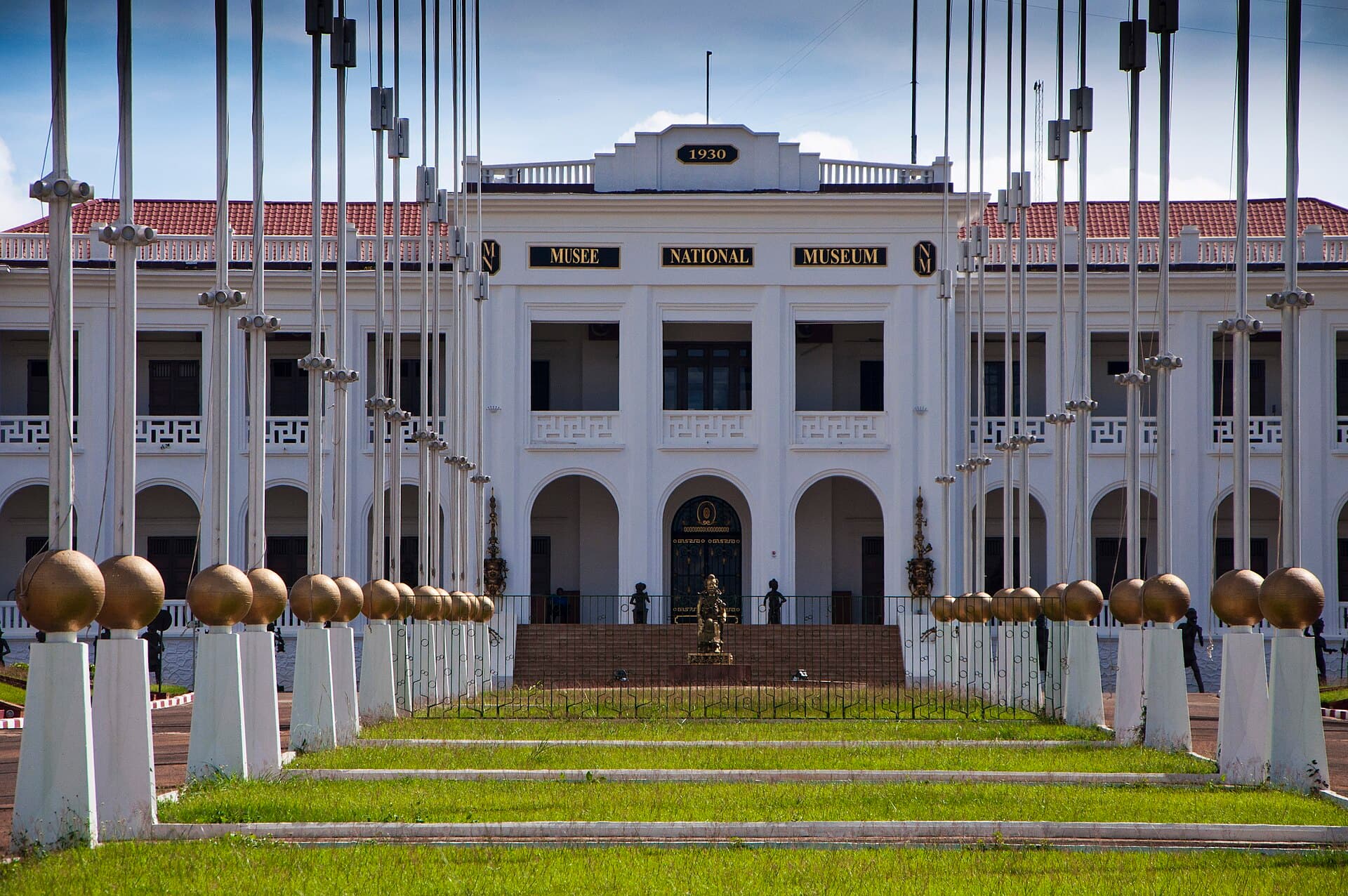
  • The National Museum of Cameroon, which holds archaeological finds and state regalia.
  • Local craft markets where contemporary artisans sell textiles and small carvings similar in technique to those inside the museum.
  • The Reunification Monument, a short drive away, for a contrast between modern civic symbolism and traditional forms.

Combining the Blackitude Museum with one of these stops creates a half-day itinerary focused on Cameroon’s layered material culture.

Visitor tips

  • Bring small bills for any optional donations or purchases at adjacent craft stalls; card facilities are limited.
  • Wear comfortable walking shoesu2014the approach involves uneven pavement and short stairways.
  • Learn a few basic French phrases; staff respond readily to simple greetings and questions about specific objects.

Frequently asked questions

How much time should I allow for a visit?+

Most visitors spend 60 to 90 minutes viewing the permanent collection and any current temporary exhibition.

Is photography allowed inside?+

Personal photography without flash is usually permitted for non-commercial use, but confirm with staff upon arrival as policies can change with exhibitions.

Are the galleries accessible for visitors with mobility needs?+

The main floor is level, yet some display cases sit on low platforms; a companion can assist if steps are present at the entrance.

Can I combine a visit with a trip to another Yaoundu00e9 museum the same day?+

Yes. The National Museum lies a short taxi ride away, making a combined morning or afternoon feasible.

Is the museum suitable for children?+

Older children and teens often enjoy the masks and carved figures; younger visitors may need guidance to understand the cultural context.

Share
Google Maps Apple Maps Directions

Visitor info

+237 670 58 79 16

Official website

Contact info via Wikidata

Image: Awinda · CC BY-SA 3.0 · via Wikimedia Commons

Keep reading

Nearby & related

All stories
National Museum of Cameroon: Exploring Yaoundé’s Cultural Heart
Yaoundé

National Museum of Cameroon: Exploring Yaoundé’s Cultural Heart

Trace Cameroon’s ethnic diversity and artistic traditions through the permanent collections of the National Museum in…

28 October 2026
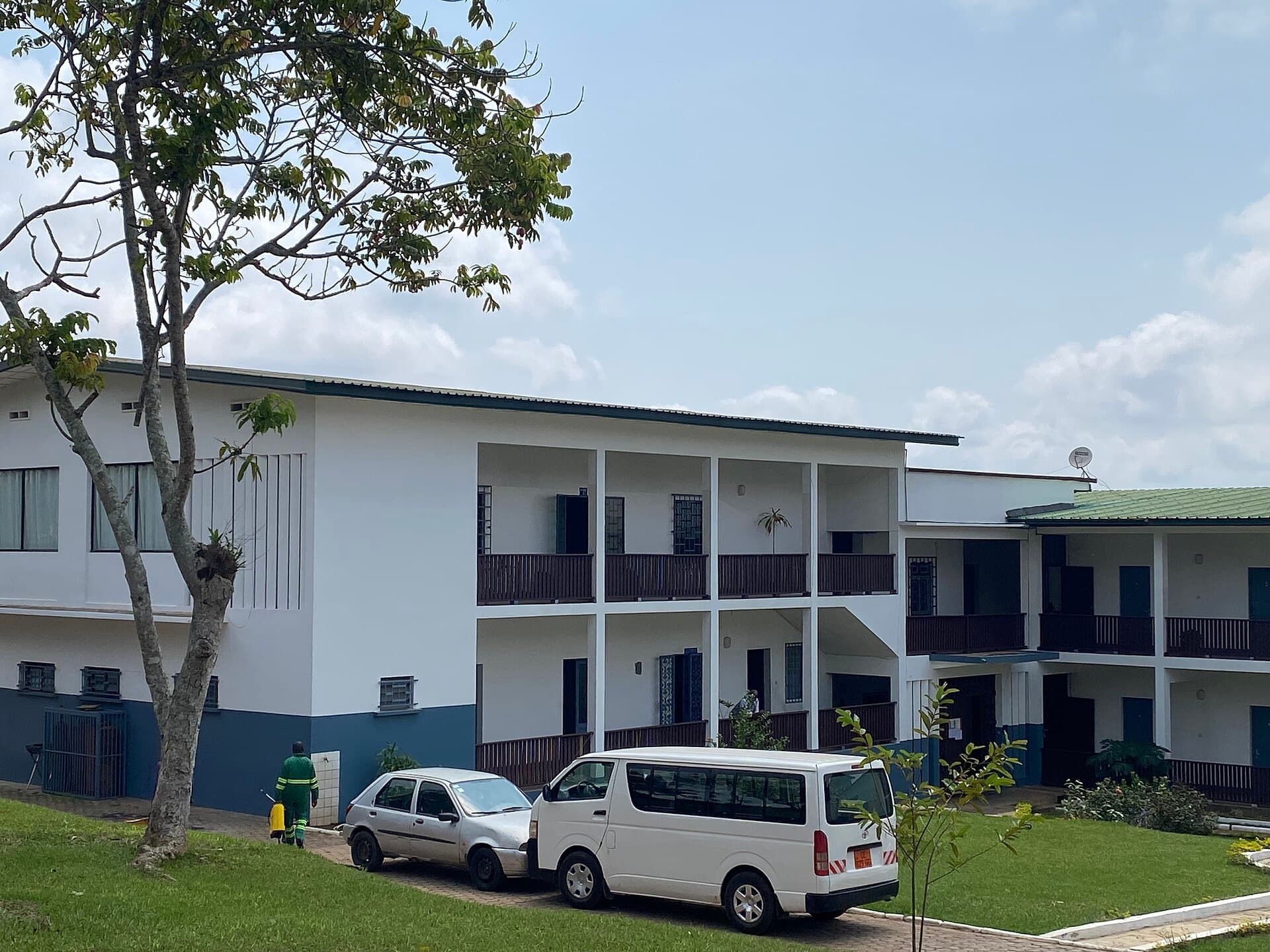
Mount Febe Benedictine Monastery Museum of the Art of Cameroon: Yaoundé’s Hidden Sanctuary of Cameroonian Heritage
Yaoundé

Mount Febe Benedictine Monastery Museum of the Art of Cameroon: Yaoundé’s Hidden Sanctuary of Cameroonian Heritage

Perched on Mount Febe above Yaoundé, this Benedictine monastery museum preserves and displays centuries of Cameroonian…

28 October 2026
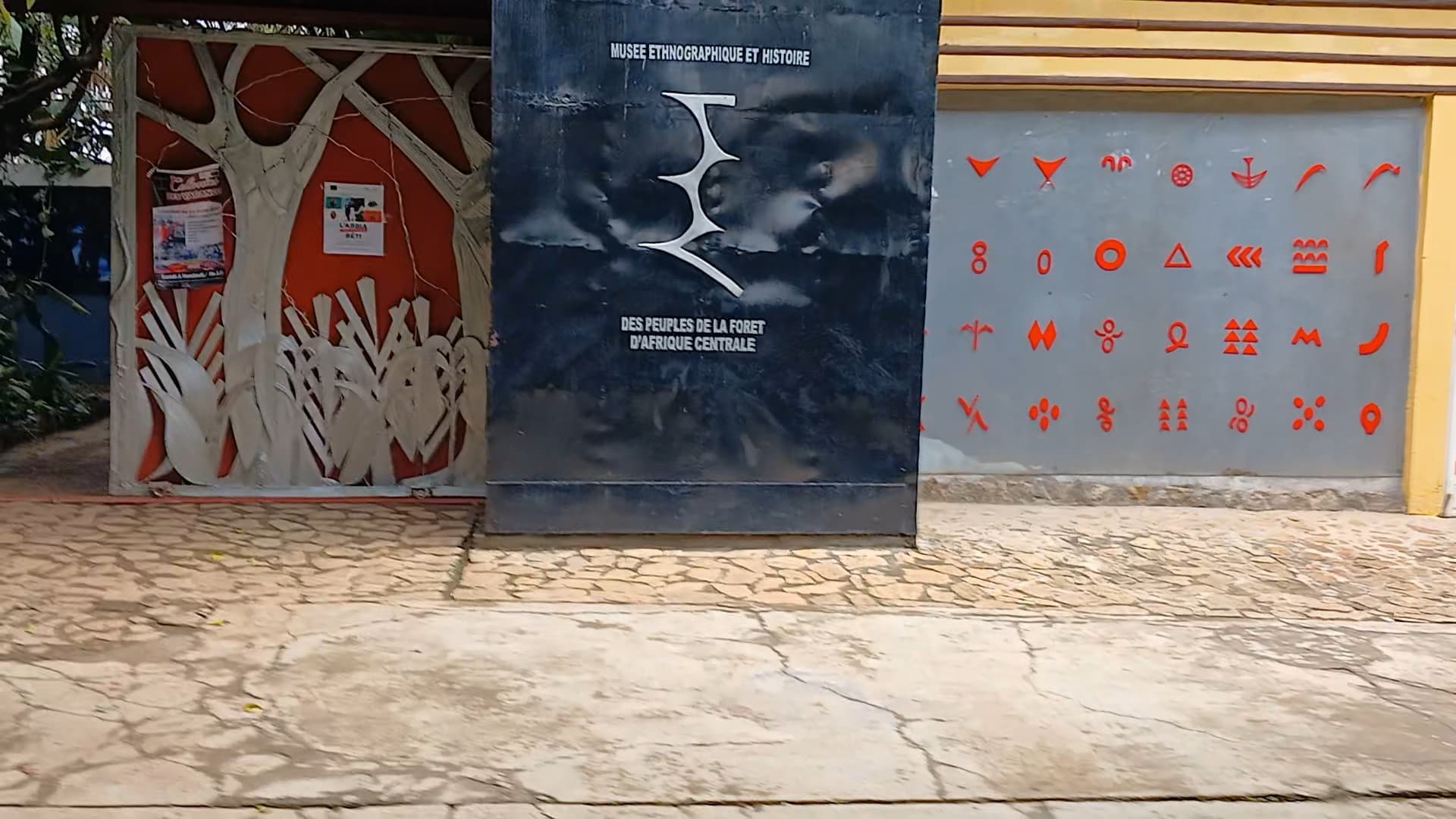
The Ethnographic Museum of Forest People in Yaoundé: Traditions of Cameroon’s Indigenous Communities
Yaoundé

The Ethnographic Museum of Forest People in Yaoundé: Traditions of Cameroon’s Indigenous Communities

Discover the living heritage of Cameroon’s forest peoples through authentic artifacts, cultural displays, and immersive…

28 October 2026