Skip to content
Plan & Tour
DestinationsItinerariesTravel BlogAboutContact
0Sign inPlan a trip
Plan & TourPlan & Tour

Travel guides, destination inspiration and curated itineraries for Canada, the USA and beyond, plus a free tool to plan your own day-by-day trip.

Get travel inspiration

Explore

  • All Destinations
  • Curated Itineraries
  • Travel Blog
  • Plan a Trip

Topics

  • Hiking & Nature
  • Food & Drink
  • City Breaks
  • Budget Travel

Company

  • About Us
  • Contact
  • Privacy Policy
  • Terms of Service

© 2026 Plan & Tour. Built for travellers.

Discover the world, one trip at a time.

Nagoya City Municipal Archives Museum: A Deep Dive into Aichi’s Civic History
  1. Home
  2. Destinations
  3. Aichi Prefecture
  4. Nagoya City Municipal Archives Museum: A Deep Dive into Aichi’s Civic History
Museum

Nagoya City Municipal Archives Museum: A Deep Dive into Aichi’s Civic History

Explore preserved documents, maps, and urban records that reveal Nagoya's evolution in this specialized municipal archive museum.

Aichi PrefectureUpdated 13 August 2026

Why Visit the Nagoya City Municipal Archives Museum

Located in central Aichi Prefecture, the Nagoya City Municipal Archives Museum houses an extensive collection of official records, photographs, and architectural drawings that document the city’s development from the Edo period onward. Unlike larger art museums, this institution focuses on the tangible paper trail of municipal governance, offering visitors a precise view of how Nagoya grew into a major industrial and cultural center.

What to See and Do

Exhibits rotate through themes such as post-war reconstruction, traditional neighborhood layouts, and the evolution of local transportation networks. Visitors can examine detailed cadastral maps, handwritten administrative ledgers, and photographic archives showing the transformation of castle town into modern metropolis. Interactive displays allow close inspection of fragile documents through protective cases and digital enlargements. The reading room provides access to selected open-stack materials for those interested in specific research topics.

Architecture and Setting

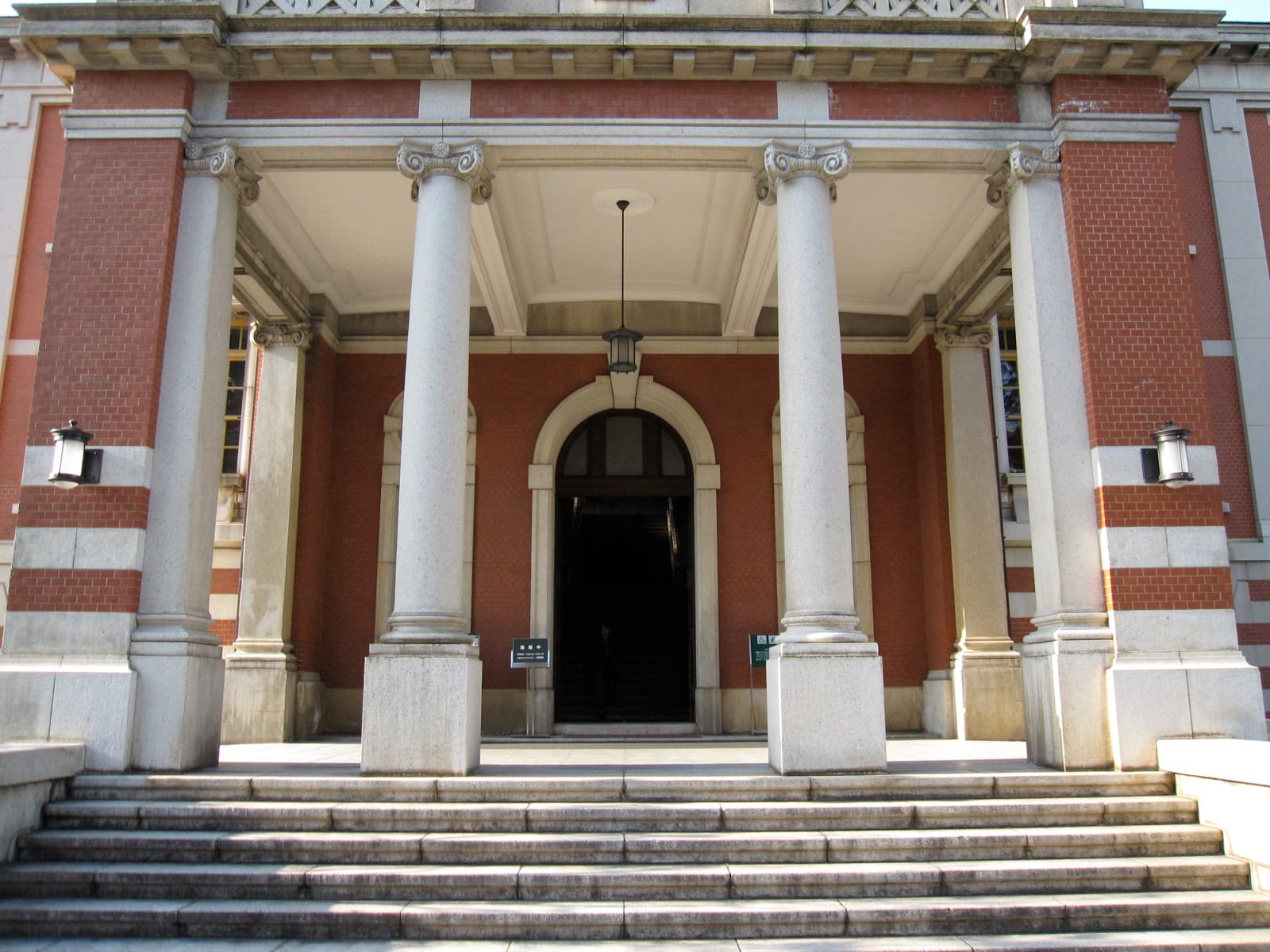
The building itself reflects mid-century civic design, with clean lines and functional spaces that complement the archival content. Large windows offer views of surrounding greenery, creating a calm environment for extended study.

Getting There

The museum sits at coordinates 35.1812260, 136.9103220, easily reached by subway from Nagoya Station on the Higashiyama or Meijo lines, followed by a short walk. Local buses also stop nearby, making it convenient for travelers combining the visit with other central attractions.

Best Time to Visit

Spring and autumn provide the most comfortable temperatures for walking between the museum and nearby sites. Weekday mornings tend to be quieter, allowing unhurried examination of the displays. The museum occasionally hosts themed lectures tied to historical anniversaries, adding depth to a visit.

Nearby Attractions

After exploring the archives, visitors often continue to Nagoya Castle for context on the city’s feudal origins or to the nearby Tokugawa Art Museum to compare private collections with the public records seen here. The surrounding district features traditional shops and modern cafés ideal for reflection on the historical materials encountered.

Visitor tips

  • Allow at least two hours to read captions and examine maps in detail rather than rushing through exhibits.
  • Bring a notebook or use a translation app, as most explanatory text appears only in Japanese.
  • Combine the visit with a walk through the adjacent park to appreciate how the modern city overlays its documented past.

Frequently asked questions

Is the museum suitable for children?+

School-age children with an interest in history or maps may enjoy the visual exhibits, though the focus on documents means younger visitors might need guidance to stay engaged.

Do I need to speak Japanese to visit?+

Basic English signage exists for major themes, but detailed explanations are in Japanese; a translation app or prior research enhances the experience.

How long should I plan to spend inside?+

Most visitors spend 90 minutes to two hours exploring the main galleries and any temporary displays.

Are there guided tours available?+

Occasional curator-led talks occur in Japanese; self-guided visits with the provided floor plan form the standard experience.

Can I photograph the exhibits?+

Photography without flash is generally permitted in permanent galleries, but always check posted rules near each display.

Share
Google Maps Apple Maps Directions

Visitor info

Official website

Contact info via Wikidata

Image: Gryffindor · CC BY-SA 4.0 · via Wikimedia Commons

Keep reading

Nearby & related

All stories
Ichibatasan Yakushiji: A Serene Temple Museum in Aichi Prefecture
Aichi Prefecture

Ichibatasan Yakushiji: A Serene Temple Museum in Aichi Prefecture

Experience the quiet spiritual atmosphere and historic Yakushi devotion at this temple complex in rural Aichi.

13 August 2026
Fuji Antarctic Museum: Japan’s Polar Legacy in Aichi Prefecture
Aichi Prefecture

Fuji Antarctic Museum: Japan’s Polar Legacy in Aichi Prefecture

Explore the preserved icebreaker Fuji and artifacts from Japan’s Antarctic research at this distinctive waterfront…

13 August 2026
名古屋市農業文化園: Exploring Nagoya’s Agricultural Heritage in Aichi
Aichi Prefecture

名古屋市農業文化園: Exploring Nagoya’s Agricultural Heritage in Aichi

Discover traditional farming tools, seasonal gardens, and local crop history at this engaging museum park just outside…

13 August 2026