
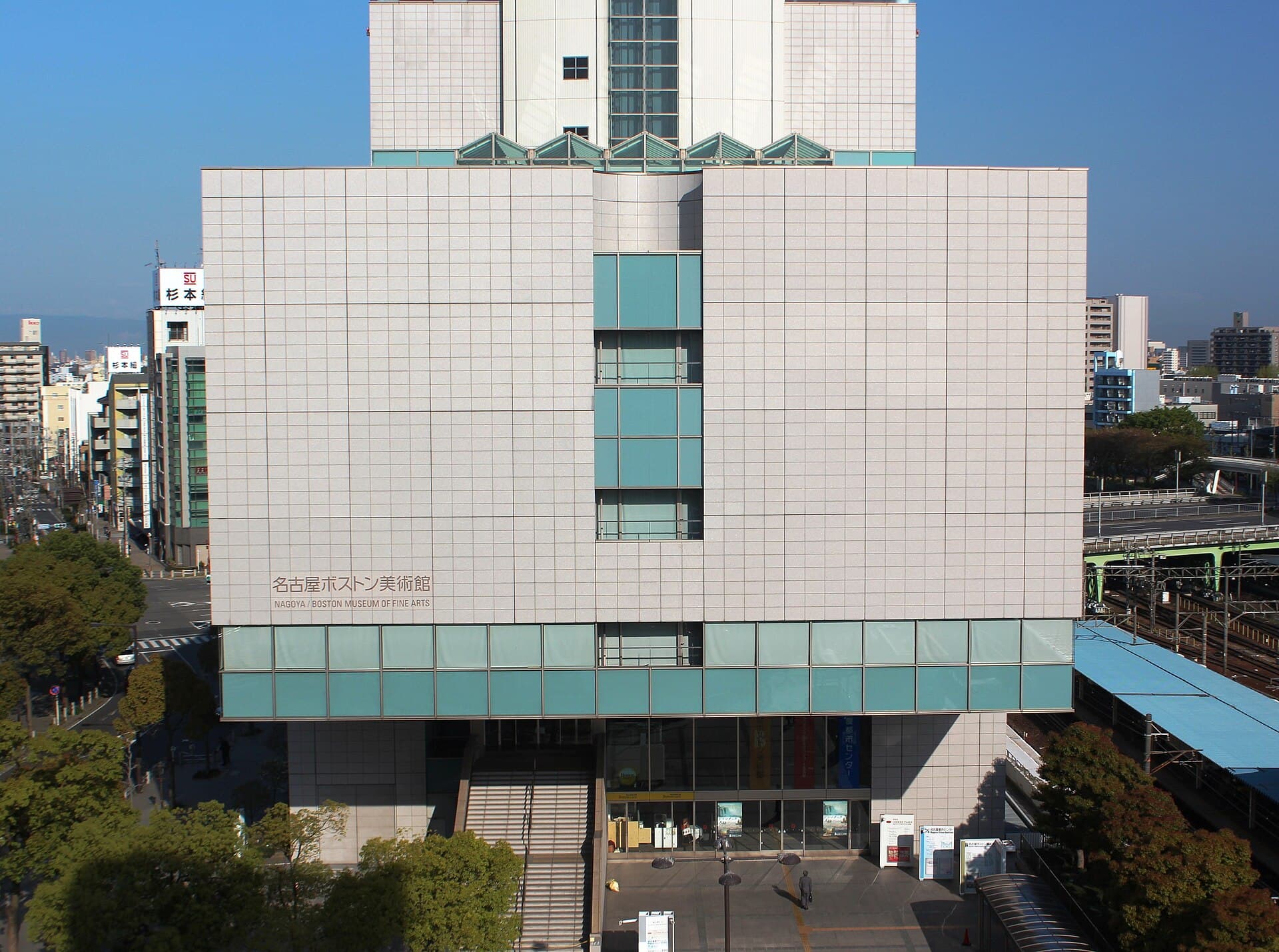
Nagoya/Boston Museum of Fine Arts: A Unique Transpacific Collection in Kanayama
Experience masterworks from Boston’s renowned museum paired with Japanese art in this Nagoya cultural gem.
Why the Nagoya/Boston Museum of Fine Arts Matters
This museum stands out for its rare partnership between the Museum of Fine Arts, Boston, and the city of Nagoya. It brings a rotating selection of the MFA’s world-class holdings to Japan, creating a bridge between Western masterpieces and Japanese artistic traditions. Visitors gain access to paintings, prints, and decorative arts rarely shown together outside Boston, all housed in a modern facility in the convenient Kanayama district.
Collection Highlights and What to See
The permanent displays emphasize Japanese woodblock prints, ceramics, and textiles drawn from the MFA’s extensive Asian art holdings. Temporary exhibitions often feature European and American paintings, including works by Monet, Renoir, and Sargent, alongside Japanese ukiyo-e masters such as Hiroshige and Hokusai. The museum’s thoughtful curation highlights cross-cultural influences, such as Japonisme in 19th-century Western art. Plan time for the sculpture court and the intimate galleries showcasing lacquerware and tea-ceremony objects.
Practical Visitor Flow
Start on the ground floor for orientation and current exhibitions, then move upward through chronological and thematic displays. Audio guides in English and Japanese provide deeper context. The museum shop offers high-quality reproductions and books on the MFA collection that make distinctive souvenirs.
Getting There
Kanayama Station serves as the primary gateway, with direct connections from Nagoya Station (two stops on the Meitetsu or JR lines) and from Chubu Centrair International Airport via the Meitetsu limited-express train. The museum lies a short walk from the station’s south exit, making it easy to reach without a car. Clear signage in English assists international travelers.
Best Time to Visit
Spring and autumn offer the most comfortable weather for combining the museum with outdoor exploration in nearby parks. Weekday mornings tend to be quieter, allowing unhurried viewing of popular prints and paintings. Summer humidity makes early arrival advisable, while winter visits pair well with the museum’s indoor focus and nearby heated shopping arcades.
Nearby Attractions
- Atsuta Shrine, one of Japan’s most important Shinto sites, is reachable by a short train or taxi ride.
- Kanayama’s covered shopping streets provide dining options ranging from traditional miso katsu to international cafés.
- Further afield, Nagoya Castle and the Tokugawa Art Museum offer complementary views of regional history and samurai culture.
Visitor tips
- Purchase a combined ticket if special exhibitions are running; they often sell out on weekends.
- Download the museumu2019s free app beforehand for maps and exhibition notes in multiple languages.
- Allow at least two hours for the core collection and add extra time for any temporary shows.
Frequently asked questions
How long does a typical visit take?
Most visitors spend two to three hours exploring the permanent collection and one rotating exhibition.
Is the museum accessible for wheelchairs and strollers?
The building features elevators, ramps, and accessible restrooms throughout all floors.
Are English explanations available?
Yes, wall labels and audio guides are offered in English alongside Japanese.
Can I take photographs inside?
Non-flash photography is permitted in most permanent galleries; restrictions apply during special exhibitions.
Is there a cafu00e9 or restaurant on site?
A small cafu00e9 serves light meals and coffee; many additional dining choices are within a five-minute walk of Kanayama Station.