Why Nagai Island Draws Adventurous Travelers
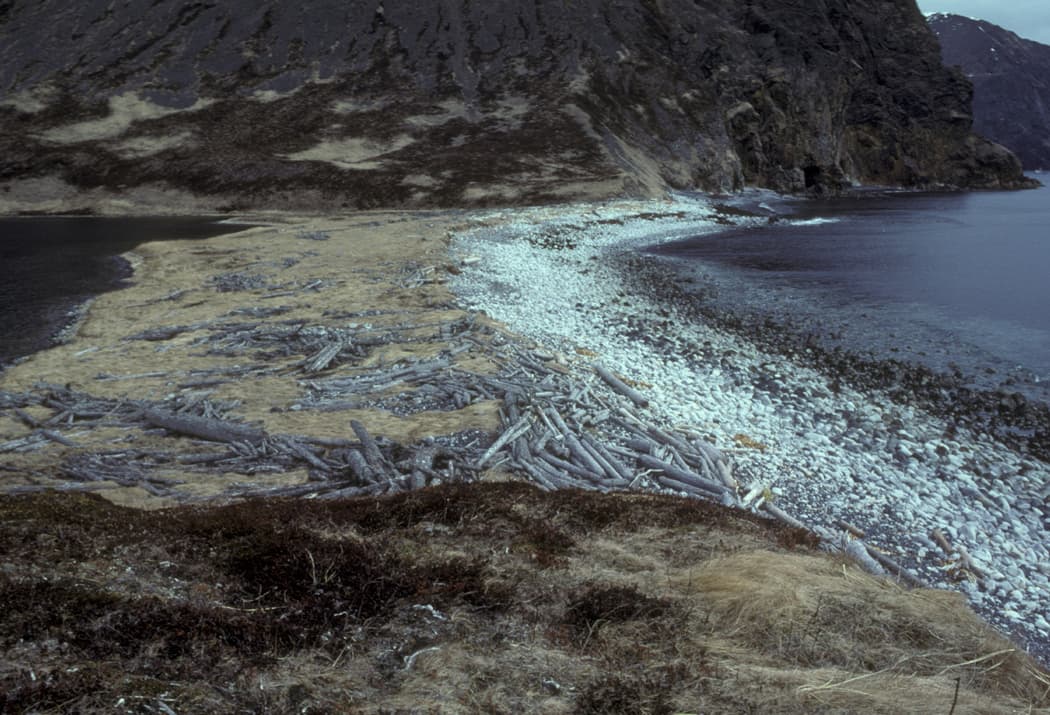
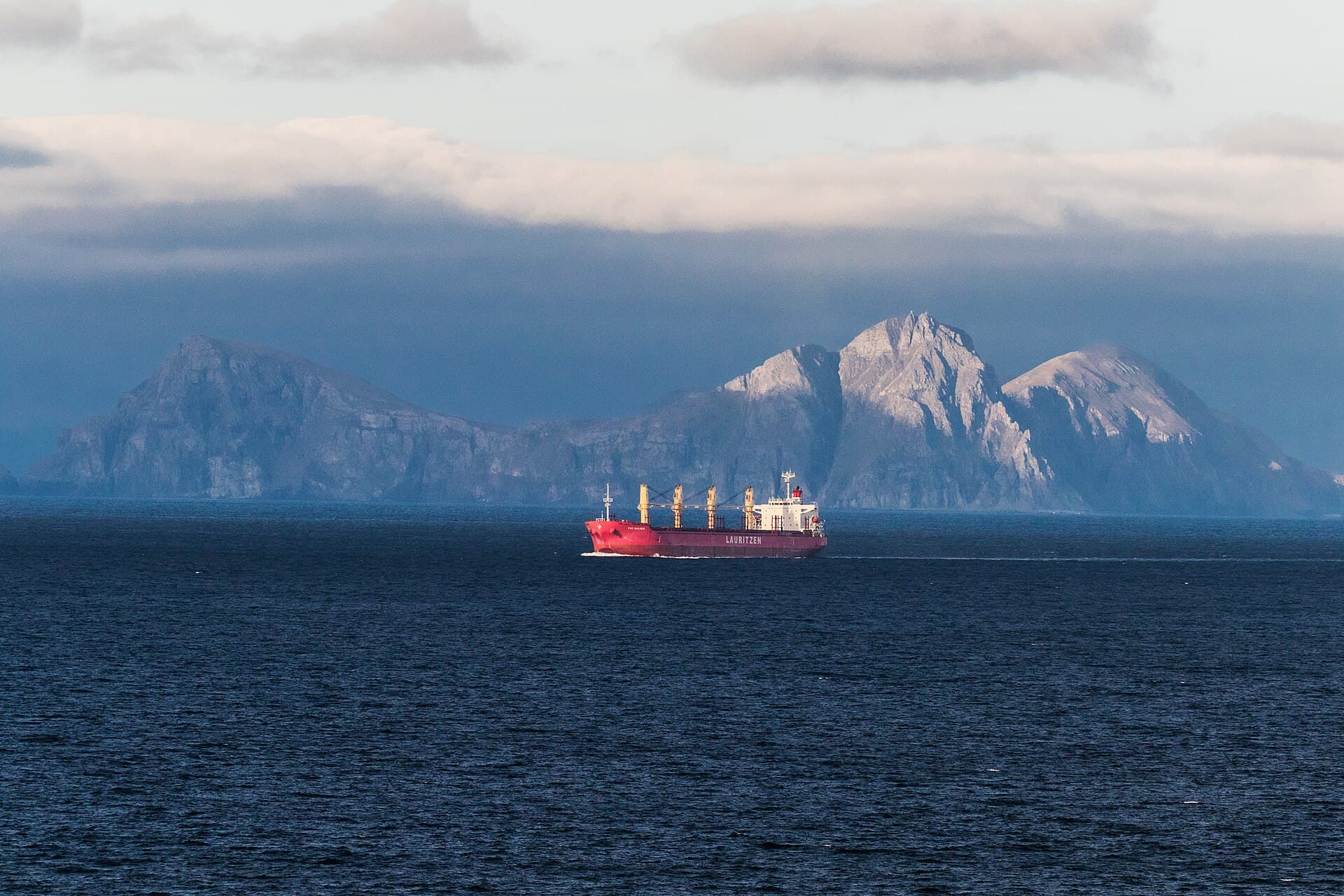
Nagai Island sits in the Shumagin Islands group off the Alaska Peninsula, offering one of the most remote and untouched experiences in the Aleutians East Borough. Its rugged terrain, sheltered bays, and surrounding waters attract those seeking solitude rather than developed attractions. The island’s volcanic origins create dramatic cliffs and beaches where sea otters, seals, and seabirds thrive year-round.
Reaching Nagai Island
Access begins with a flight to Sand Point or King Cove on the Alaska Peninsula. From there, travelers arrange boat charters or floatplane transfers to reach the island’s shores. No roads or public transport exist on Nagai itself, so visitors must plan all movements by water or on foot once ashore.
What to See and Do
Wildlife and Marine Life
Coastal waters host harbor seals, sea lions, and occasional whales, while interior wetlands support migratory birds. Kayakers often spot otters in protected coves along the eastern shoreline.
Fishing and Exploration
Salmon runs draw anglers to streams emptying into the Pacific. Hiking trails, many informal and unmarked, lead across tundra and through alder thickets to viewpoints overlooking the Gulf of Alaska. Historical remnants of early fox farms and Aleut settlements appear as weathered structures near certain beaches.
Camping and Paddling
Backcountry camping is possible on gravel beaches and sheltered meadows. Sea kayaking circuits around the island reveal sea caves and tide pools teeming with marine invertebrates.
Best Time to Visit
Summer months from June through August bring the mildest weather and longest daylight for boating and hiking. Spring and fall offer fewer visitors but harsher conditions and higher chances of storms. Winter travel is rare due to ice and limited daylight.
Nearby Places Worth Exploring
The larger community of Sand Point provides basic services and a starting point for trips to neighboring Unga and Popof islands. The Alaska Peninsula’s Izembek National Wildlife Refuge lies to the north, offering additional birding opportunities for those extending their journey.