The Bamoun Kingdom’s Enduring Legacy
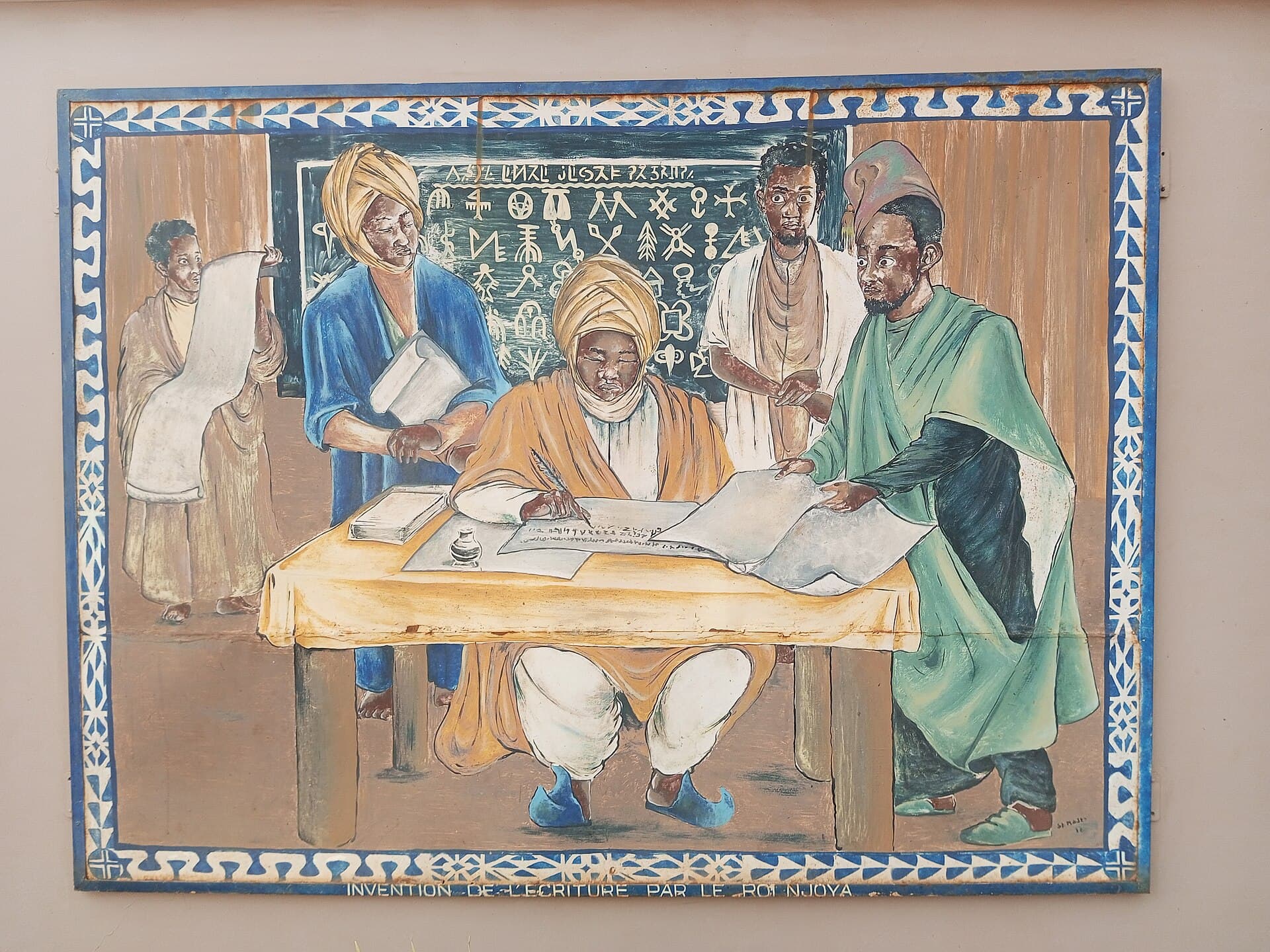
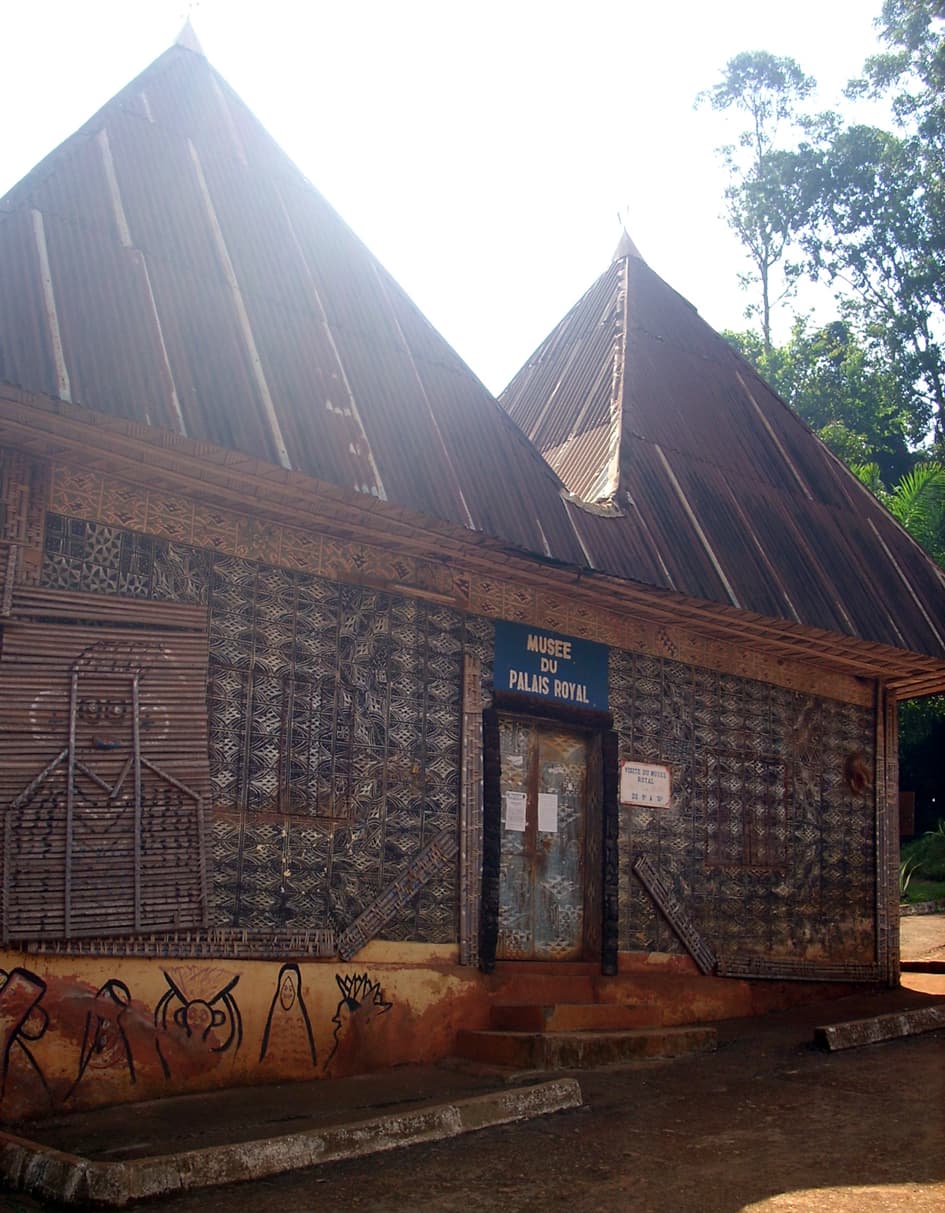
The Museum of the Bamoun Kings preserves the material culture of one of Cameroon’s longest-lasting monarchies, centered in Foumban since the 16th century. Visitors encounter regalia, carved thrones, and ritual objects that trace the reigns of successive kings, including the innovative ruler Ibrahim Njoya, who developed an indigenous script and promoted local arts and education.
Collection Highlights
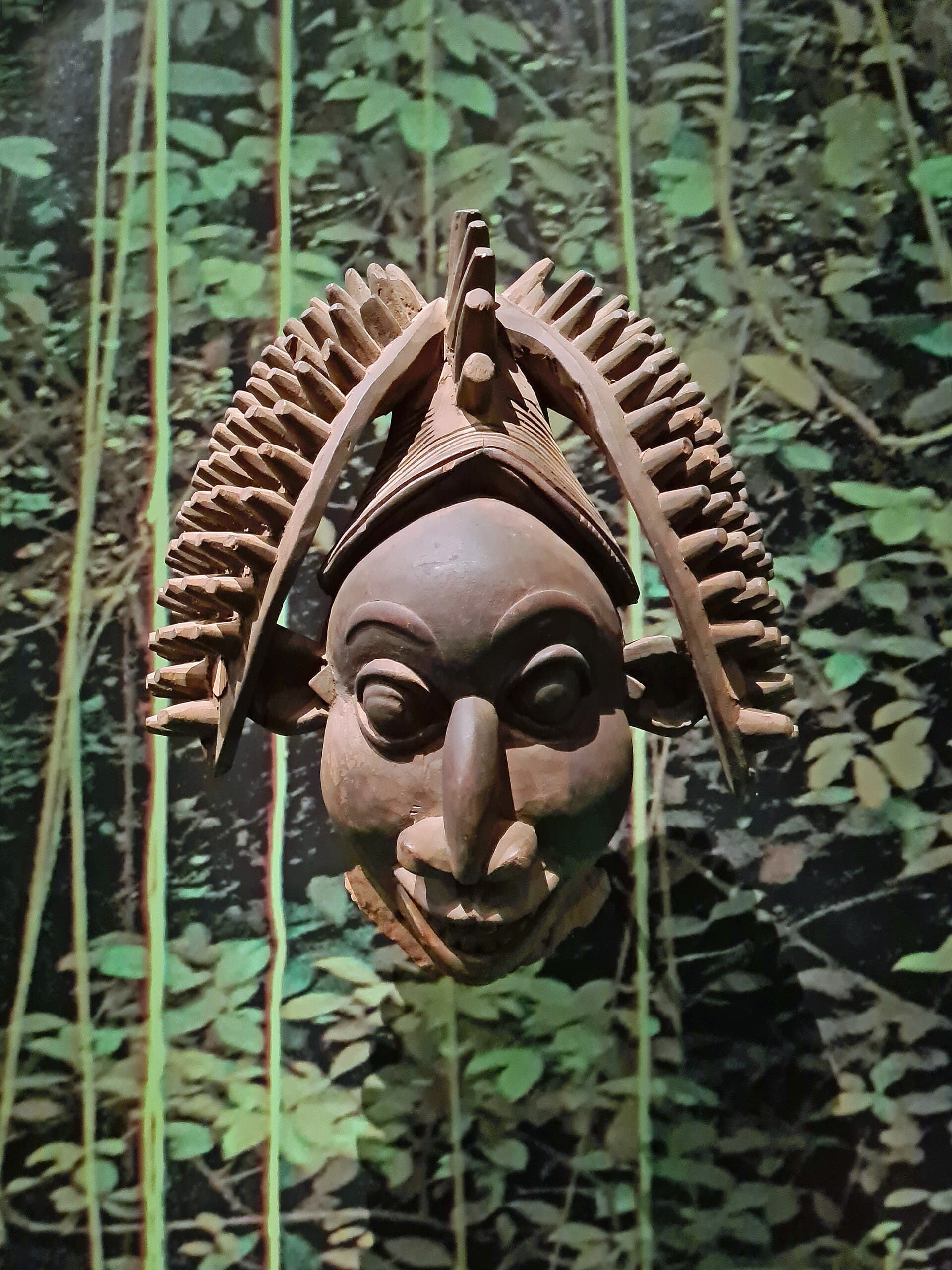
The galleries display intricately beaded elephant masks, royal stools, and ceremonial swords that illustrate the kingdom’s political and spiritual power. Large-scale textiles and architectural models reveal how Bamoun artisans blended local motifs with influences from neighboring groups and early European trade. Explanatory panels in French and English outline the evolution of Bamoun governance and craftsmanship without overwhelming the objects themselves.
Practical Layout
Exhibits are arranged chronologically, allowing visitors to follow the kingdom’s history from its founding through the colonial period to the present. A small courtyard often features live demonstrations of traditional weaving or brass casting by local artisans, offering direct insight into techniques still practiced today.
Getting There
The museum lies in central Foumban, reachable by road from Bafoussam (roughly one hour) or Yaoundé (about four hours). Shared taxis and minibuses run regularly along the main highway; once in town, the site is within walking distance of the central market. Drivers should note that secondary roads can become muddy during heavy rains.
Best Time to Visit
The dry season from November to February offers the most comfortable conditions for travel and outdoor exploration around the museum. Cultural events tied to the royal court, such as annual festivals, often occur during this period, providing additional context for the collections.
Nearby Attractions
- The Foumban Royal Palace, still used for ceremonial functions, sits a short distance away and complements the museum’s narrative.
- The bustling central market sells locally woven textiles and brasswork, allowing visitors to see contemporary expressions of Bamoun artistry.
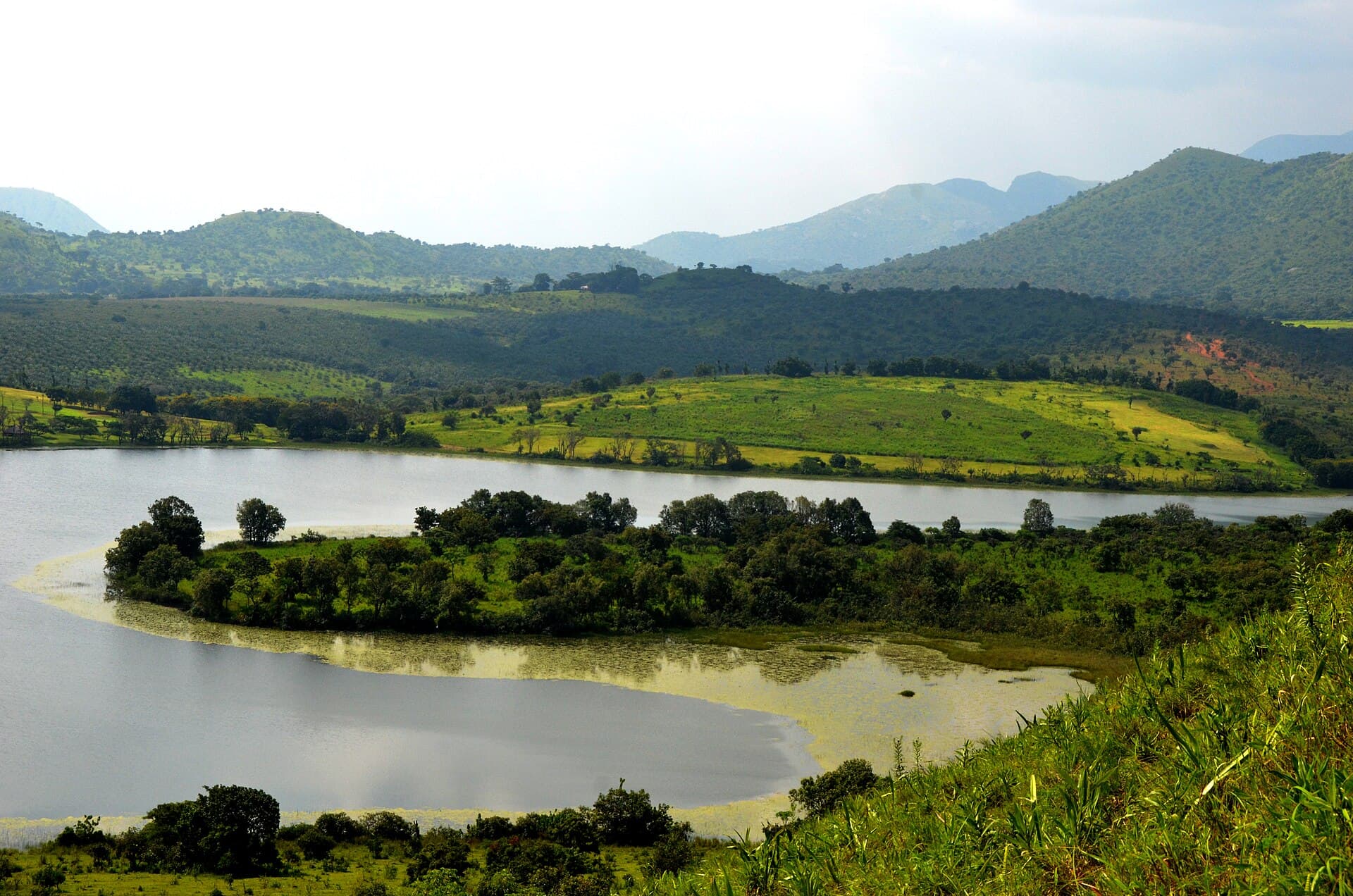
- Scenic hills surrounding the town offer short hikes with views over the Noun Plain, ideal for photographers.