Understanding the Museum’s Role
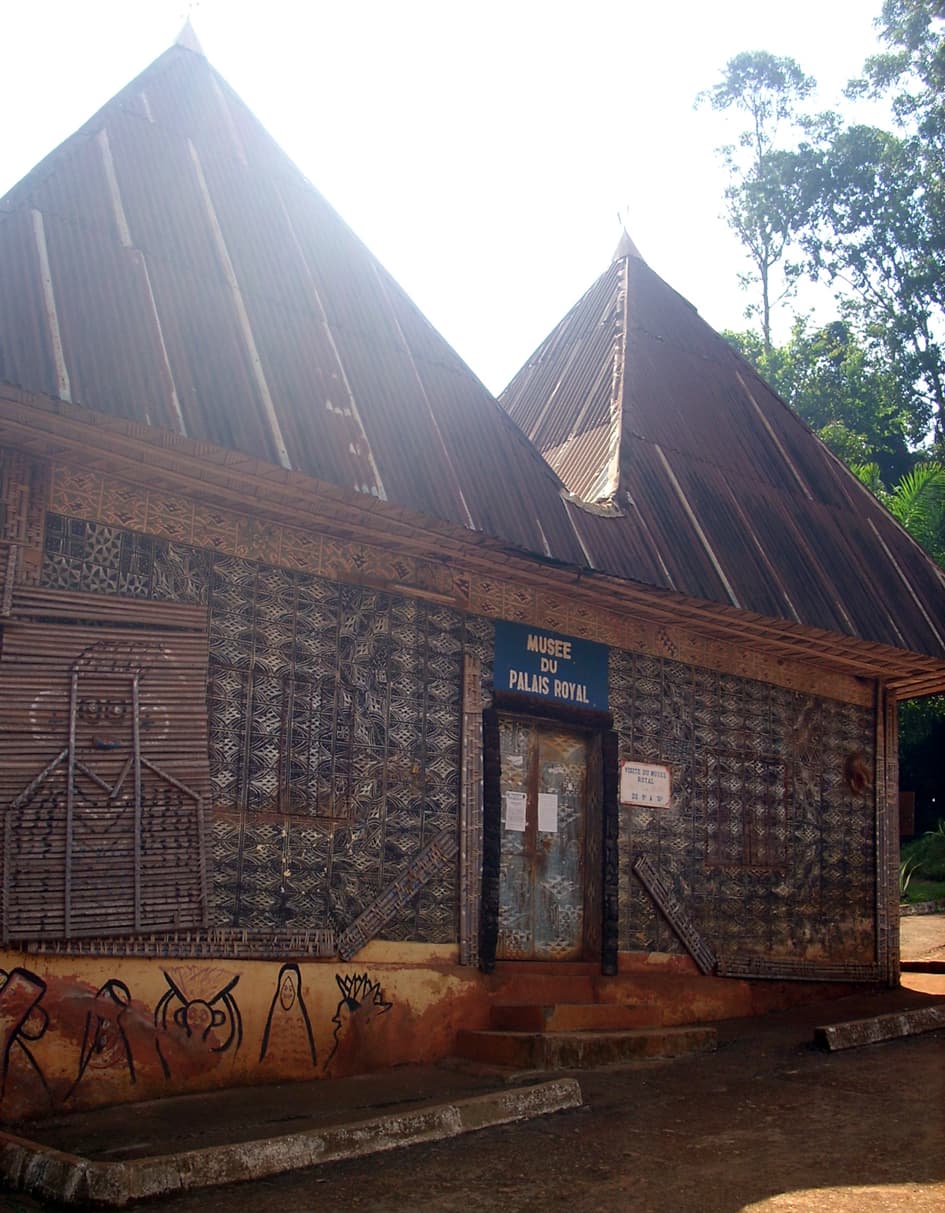
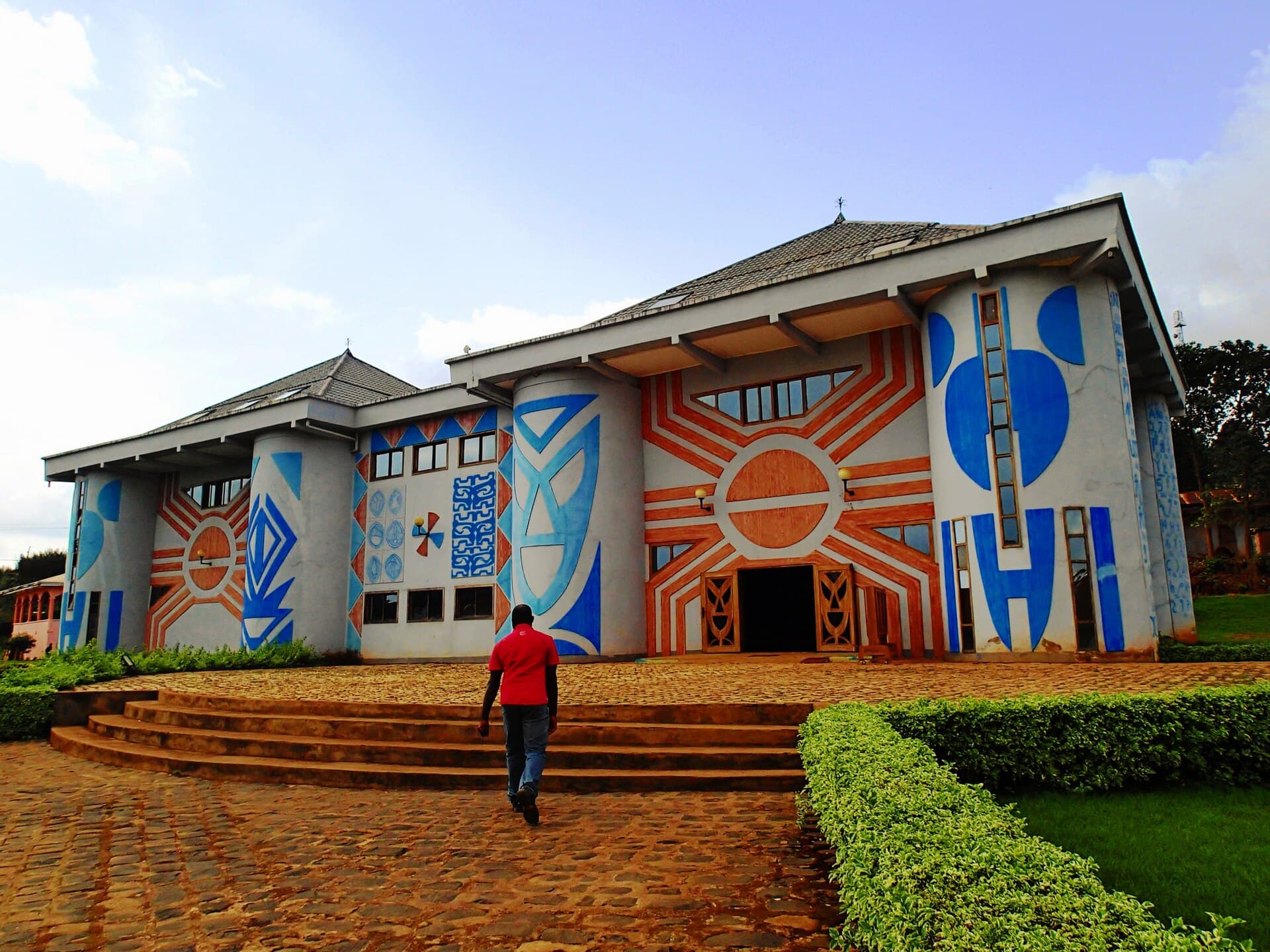
Bamendjinda Museum sits in a rural setting in Cameroon’s West Region and serves as a repository for objects tied to the Bamileke people. Rather than a large national institution, it functions as a community archive where masks, stools, textiles, and metalwork illustrate the social structures of local chiefdoms. Visitors encounter items once used in royal ceremonies and everyday life, displayed with minimal interpretation that leaves room for reflection on continuity and change.
What to See
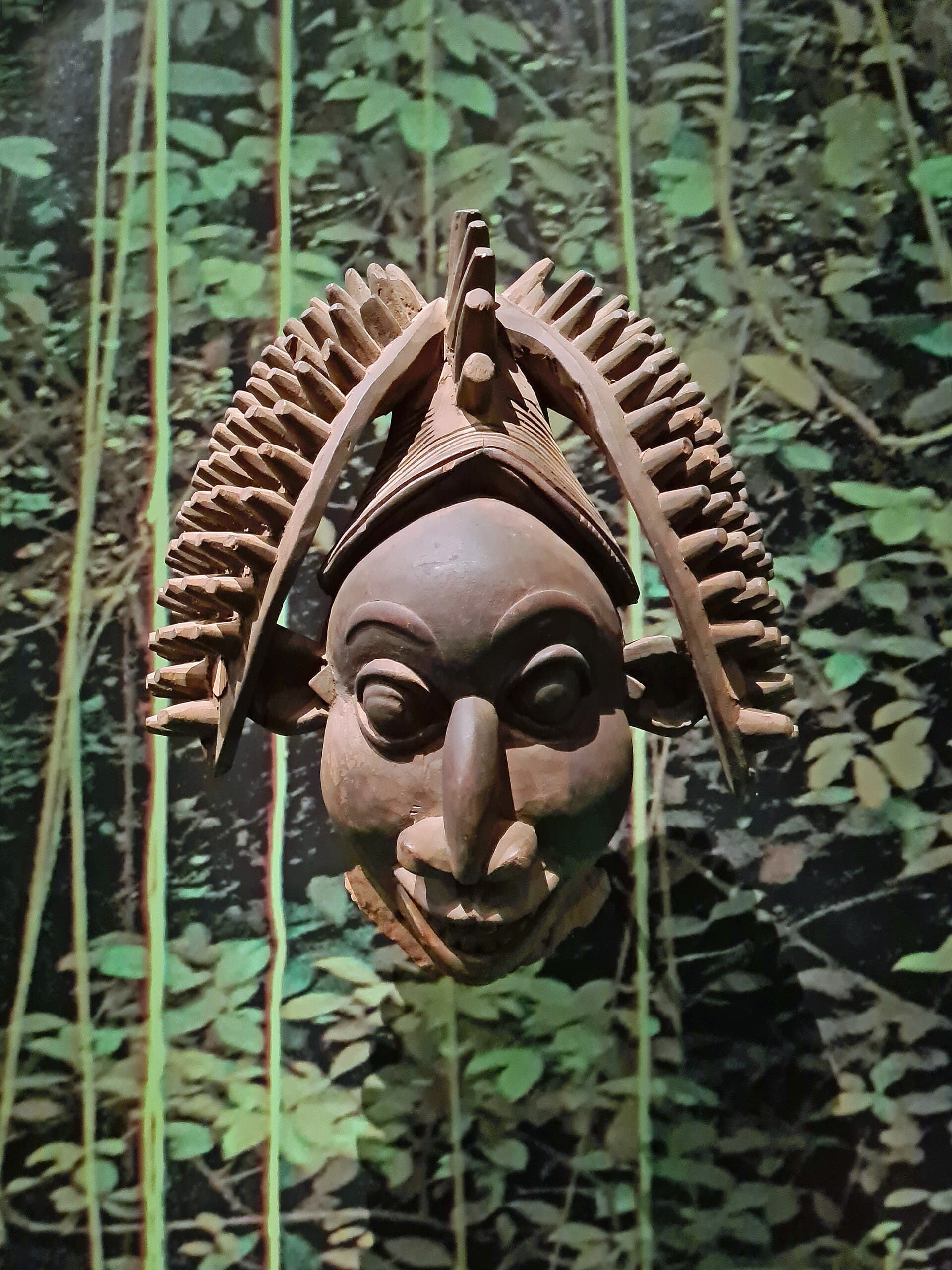
The collection centers on carved wooden masks representing lineage societies and elephant ivory tusks linked to titled men. Beaded calabashes and raffia garments show the technical skill of local artisans. A small outdoor area displays traditional architecture elements, including carved house posts that once marked the compounds of notables. The modest scale encourages slow viewing and conversations with staff who often belong to the families that donated pieces.
Practical Viewing Tips
- Allow at least ninety minutes to examine each gallery without rushing.
- Note the provenance labels; many objects trace to specific quarters within Bamendjinda and neighboring villages.
- Photography is usually permitted without flash, but always ask before photographing people.
Getting There
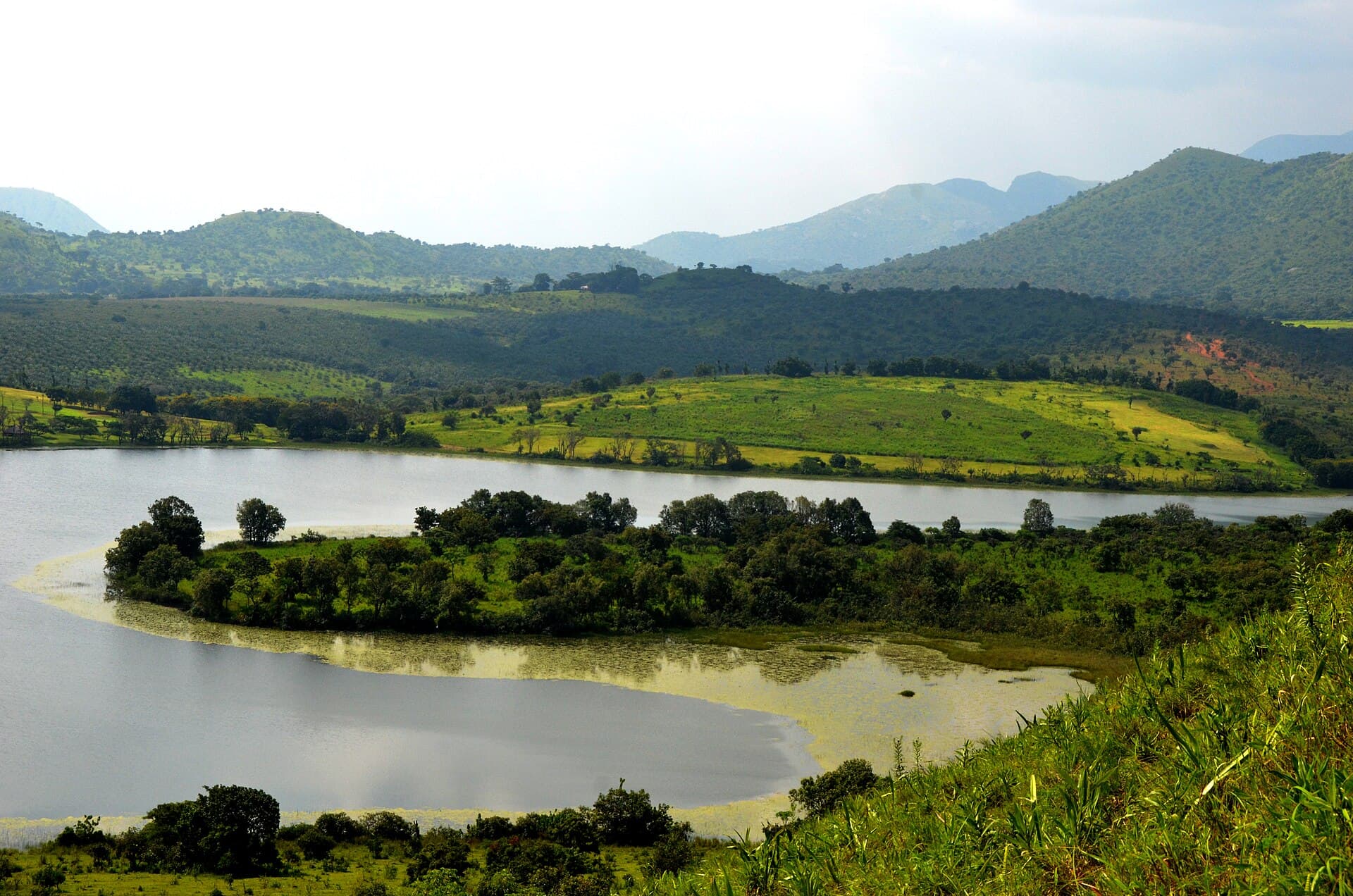
The museum lies roughly thirty kilometers west of Bafoussam along the road toward Mbouda. Travelers can take a shared taxi or motorbike taxi from Bafoussam’s central park and ask to be dropped at the Bamendjinda junction, followed by a short walk. Private drivers or guided tours from Bafoussam or Dschang offer more flexibility for combining the visit with nearby sites. The route passes through rolling hills planted with coffee and plantains, offering scenic views of the Grassfields landscape.
Best Time to Visit
The dry season from November to February brings clearer roads and more comfortable walking conditions. During the rainy season, paths can become slippery and transport less reliable, though the surrounding countryside appears especially lush. Cultural events such as annual festivals sometimes coincide with museum visits; local contacts can advise on dates that align with public access.
Nearby Attractions
After the museum, many travelers continue to the chiefdom of Bandjoun to view a larger palace compound or to the scenic crater lake at Baleng. The regional capital Bafoussam offers markets selling raffia products and modern hotels for overnight stays. A full day can easily combine the museum with one or two of these stops.