Keep reading
Nearby & related
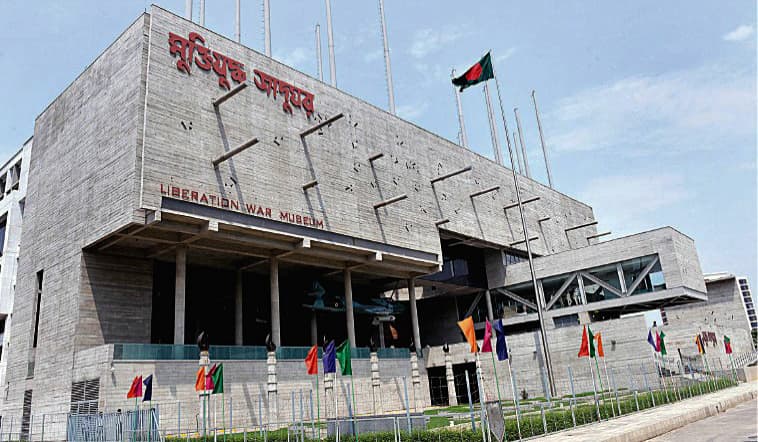
Liberation War Museum: Tracing Bangladesh’s 1971 Independence Struggle in Dhaka
Step into the powerful exhibits and outdoor memorials that chronicle the birth of Bangladesh at this essential Dhaka…
24 September 2026
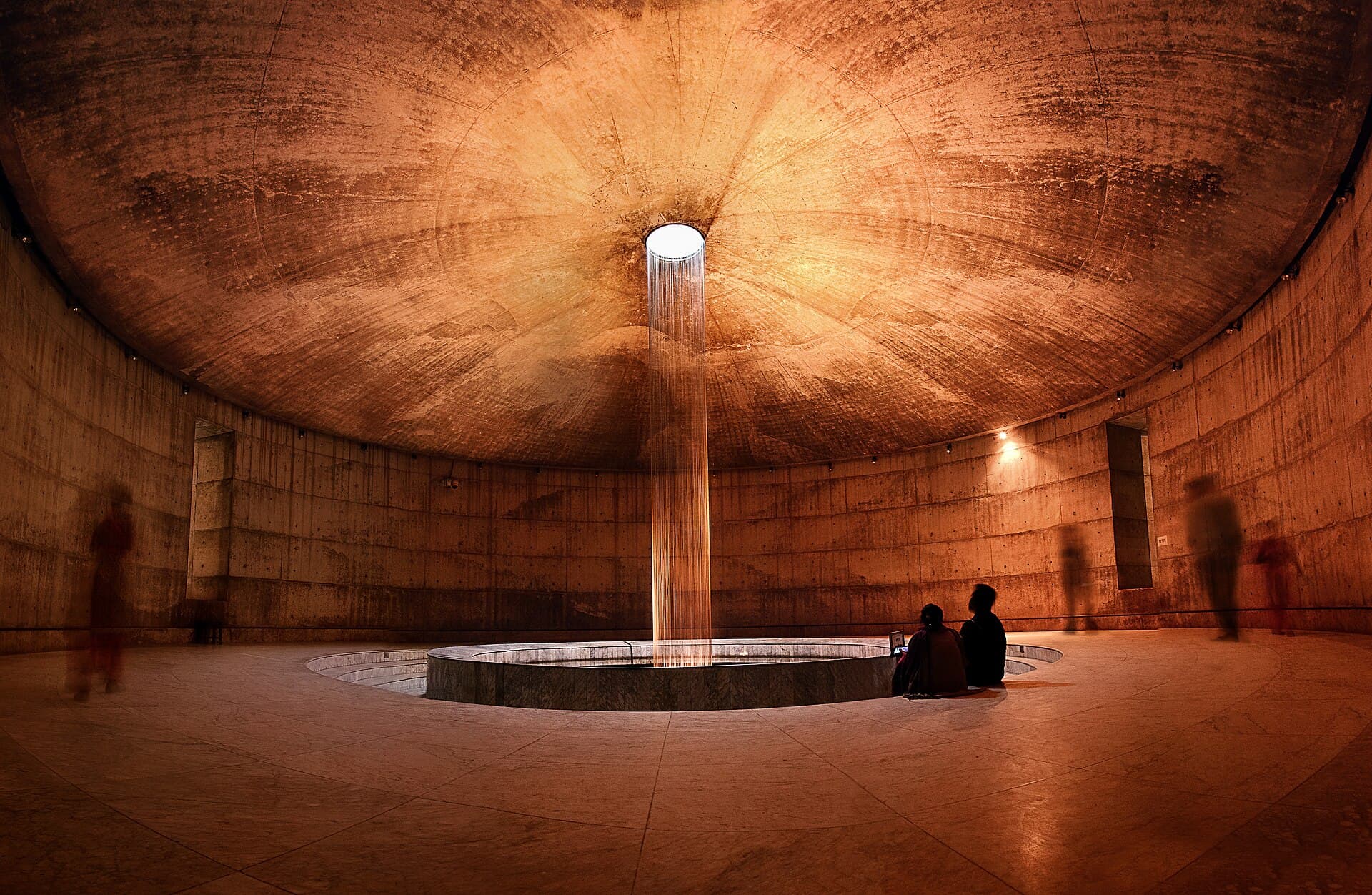
Step into the story of Bangladesh's 1971 Liberation War through artifacts and exhibits at this central Dhaka landmark.
The Museum of Independence stands in Suhrawardy Udyan, the very park where Bangladesh’s independence was proclaimed in 1971. It preserves the nation’s journey from the 1947 partition through the Language Movement, the 1960s autonomy struggles, and the nine-month Liberation War. Visitors gain a grounded understanding of how ordinary citizens shaped a new country, making the site essential for anyone interested in South Asian history.
Exhibits begin with the 1952 Language Movement martyrs and move through documents from the 1966 Six-Point Movement. Life-size dioramas recreate refugee camps and battlefield scenes, while display cases hold rifles, uniforms, and personal letters from fighters. Upstairs galleries focus on international recognition and the role of women in the war. Allow time to watch short documentary loops that feature survivor testimony; these run continuously in a small theater. The museum’s location inside the park lets you step outside afterward to see the mass graves and the 1971 surrender monument, linking indoor exhibits with the actual landscape of events.
The museum sits on the western edge of Suhrawardy Udyan, a short walk from Dhaka University and the High Court. Rickshaws and CNG auto-rickshaws reach the main gate from Shahbagh or Farmgate. Buses on the Mirpur–Motijheel route stop nearby. Most visitors combine the museum with a stroll through the adjacent park, which remains open daily.
November through February offers the coolest, driest weather and fewer mosquitoes, ideal for walking the grounds after the indoor galleries. Arrive early on weekdays to avoid school groups; weekends see more local families. The museum’s air-conditioned rooms provide welcome relief during the hot months, though the surrounding park is less comfortable then.
Keep reading
Step into the powerful exhibits and outdoor memorials that chronicle the birth of Bangladesh at this essential Dhaka…
Most visitors need two to three hours to view the main galleries and walk the adjacent park memorials.
Older children and teens usually engage well with the dioramas and short films; some graphic war imagery may require parental guidance for younger visitors.
Local guides sometimes offer informal tours near the entrance; otherwise the exhibits include clear English and Bengali labels.
Yes. The museum pairs easily with Dhaka University or a walk to the nearby Dhaka National Museum.
The main building has ramps and an elevator; some outdoor memorials involve grass and steps.
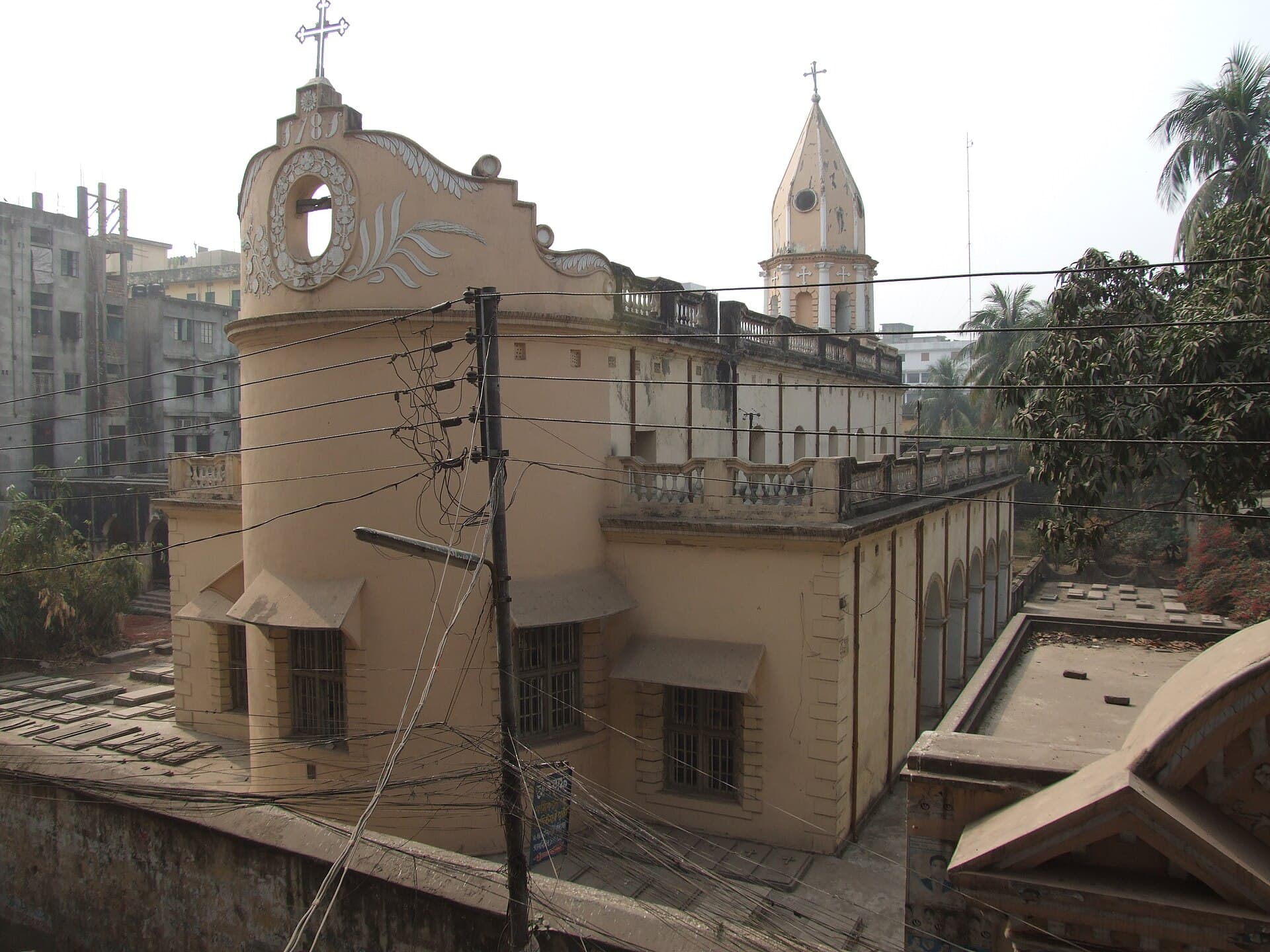
This quiet 1781 church and its historic cemetery offer a peaceful window into Dhaka’s multicultural trading past.