
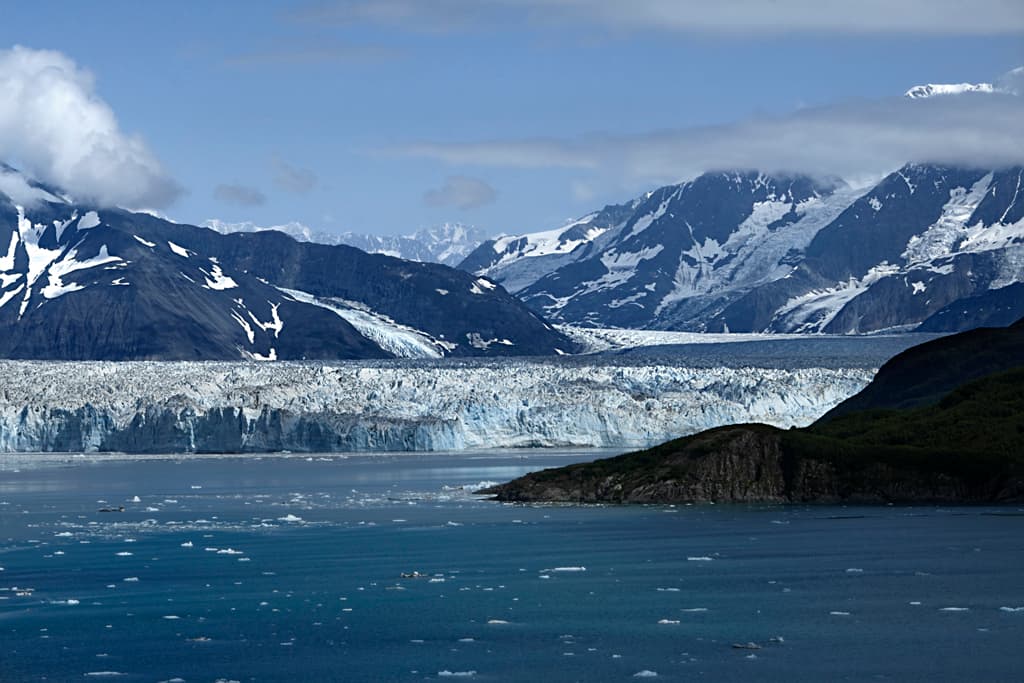
Mount Vancouver: Scaling the Remote Saint Elias Giant in Alaska
Discover the challenges and rewards of visiting one of North America's highest and most isolated peaks in Yakutat's rugged backcountry.
Why Mount Vancouver Stands Out
Mount Vancouver rises dramatically in the Saint Elias Mountains near Yakutat, Alaska, offering a true wilderness experience for serious mountaineers and those seeking untouched alpine scenery. At over 15,900 feet, it ranks among the continent’s loftiest summits, with massive glaciers and sheer faces that test even seasoned climbers. Its isolation in Wrangell–St. Elias country delivers solitude rarely found at lower peaks.
Getting There
Access begins with a flight into Yakutat Airport, the gateway community on the Gulf of Alaska coast. From there, travelers arrange fixed-wing bush planes or helicopter charters to reach trailheads or base camps along the flanks. No roads lead directly to the mountain, so all approaches involve air or boat travel across coastal fjords and then over icefields. Plan extra days for weather delays common in this region.
Best Time to Visit
The prime window runs from late May through early September when daylight is long and temperatures allow glacier travel. June and July typically offer the most stable snow bridges, though storms can arrive quickly any month. Winter visits demand advanced expedition skills and are suited only to highly experienced teams.
What to See and Do
Most visitors focus on technical climbing routes on the south or east faces, requiring crampons, ice axes, and rope skills. Non-climbers enjoy scenic overflights that reveal the mountain’s immense scale against the Pacific. Nearby glacier hikes and wildlife viewing for bears, mountain goats, and eagles provide additional draws. Always travel with a registered guide service familiar with crevasse rescue and local conditions.
Nearby Attractions
The broader Saint Elias range includes peaks such as Mount Saint Elias and Mount Logan just across the Canadian border. Yakutat itself offers excellent salmon fishing, tidewater glacier tours, and the Hubbard Glacier, one of the largest in North America. These sites combine easily with a Mount Vancouver trip for a full Alaska wilderness itinerary.
Visitor tips
- Hire local bush pilots and mountain guides based in Yakutat for safe access and current route conditions.
- Pack layers for rapid weather changes and bring satellite communication devices, as cell service is nonexistent beyond the airport.
- Obtain necessary permits through the National Park Service well in advance and file a detailed trip plan with rangers.
Frequently asked questions
Is Mount Vancouver suitable for beginner hikers?
No. The mountain demands advanced mountaineering experience due to technical ice and rock routes, extreme remoteness, and objective hazards like avalanches and crevasses.
How long does a typical expedition to Mount Vancouver take?
Most successful trips require 10 to 20 days including travel from Yakutat, acclimatization, and weather buffers.
Are there non-climbing ways to experience the mountain?
Yes. Scenic flights from Yakutat provide close views of the peak and surrounding icefields without setting foot on the mountain.
What wildlife might visitors encounter?
Bears, wolves, mountain goats, and a variety of seabirds are common in the lower elevations and coastal approaches.
Do I need special permits to climb Mount Vancouver?
Climbers must register with the National Park Service and may need additional permissions if crossing into Canada.