Why Mount Tupper Stands Out
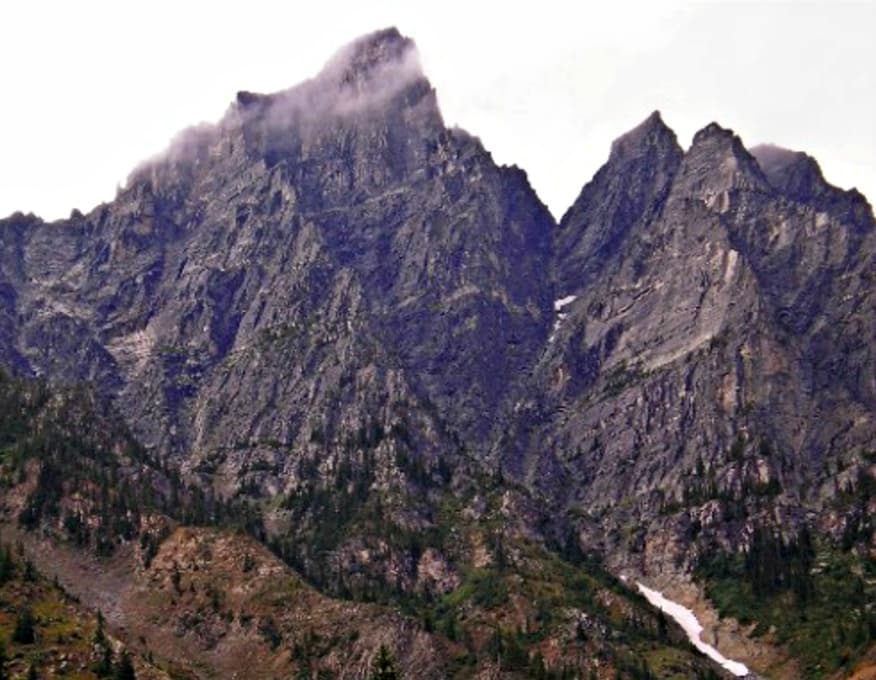
Mount Tupper rises sharply above the Trans-Canada Highway in Glacier National Park, offering experienced climbers a classic Selkirk challenge. Its north face and east ridge deliver sustained rock and ice climbing amid hanging glaciers and sweeping views of the Illecillewaet Névé. The mountain’s isolation and steep terrain make it a rewarding objective for those seeking genuine alpine adventure rather than crowded trails.
Getting There
Access begins at the Rogers Pass Discovery Centre on Highway 1, roughly midway between Golden and Revelstoke. From the centre, follow park service roads and established approach trails that lead toward the mountain’s lower slopes. Most parties park at designated pullouts near the pass and hike or ski the remaining distance to base camp. Winter visitors must check current avalanche forecasts before leaving the highway corridor.
Best Time to Visit
July through early September provides the longest window of stable weather and snow-free rock on upper routes. Early season snow can linger on north aspects into July, while September often brings crisp nights and fewer bugs. Winter and spring attract ski mountaineers, but the area demands advanced avalanche training and equipment. Shoulder months of June and October see rapid weather changes that can strand parties.
Climbing and Hiking Options
The standard east ridge route involves moderate scrambling with occasional exposed sections and short glacier travel. More technical climbers target the north face, which features mixed rock and ice pitches. Non-climbers can enjoy high-alpine traverses and viewpoints along the nearby Asulkan Ridge or the loop trails around the Illecillewaet campground without committing to the summit.
Nearby Attractions
Combine a Mount Tupper trip with visits to the Rogers Pass National Historic Site, the Glacier Circle backcountry cabin, or the alpine meadows of Mount Abbott. The park’s network of trails also reaches the massive Illecillewaet Glacier and the historic railway snowsheds that tell the story of early mountain travel.
Essential Preparation
Glacier National Park requires backcountry permits for overnight stays. Carry glacier travel gear, including crevasse rescue equipment, even on seemingly straightforward routes. Cell service is nonexistent beyond the highway; file a trip plan with park wardens and carry a satellite communicator. Weather can shift dramatically within hours, so pack layers, navigation tools, and extra food.