Why Visit Mount Thomlinson
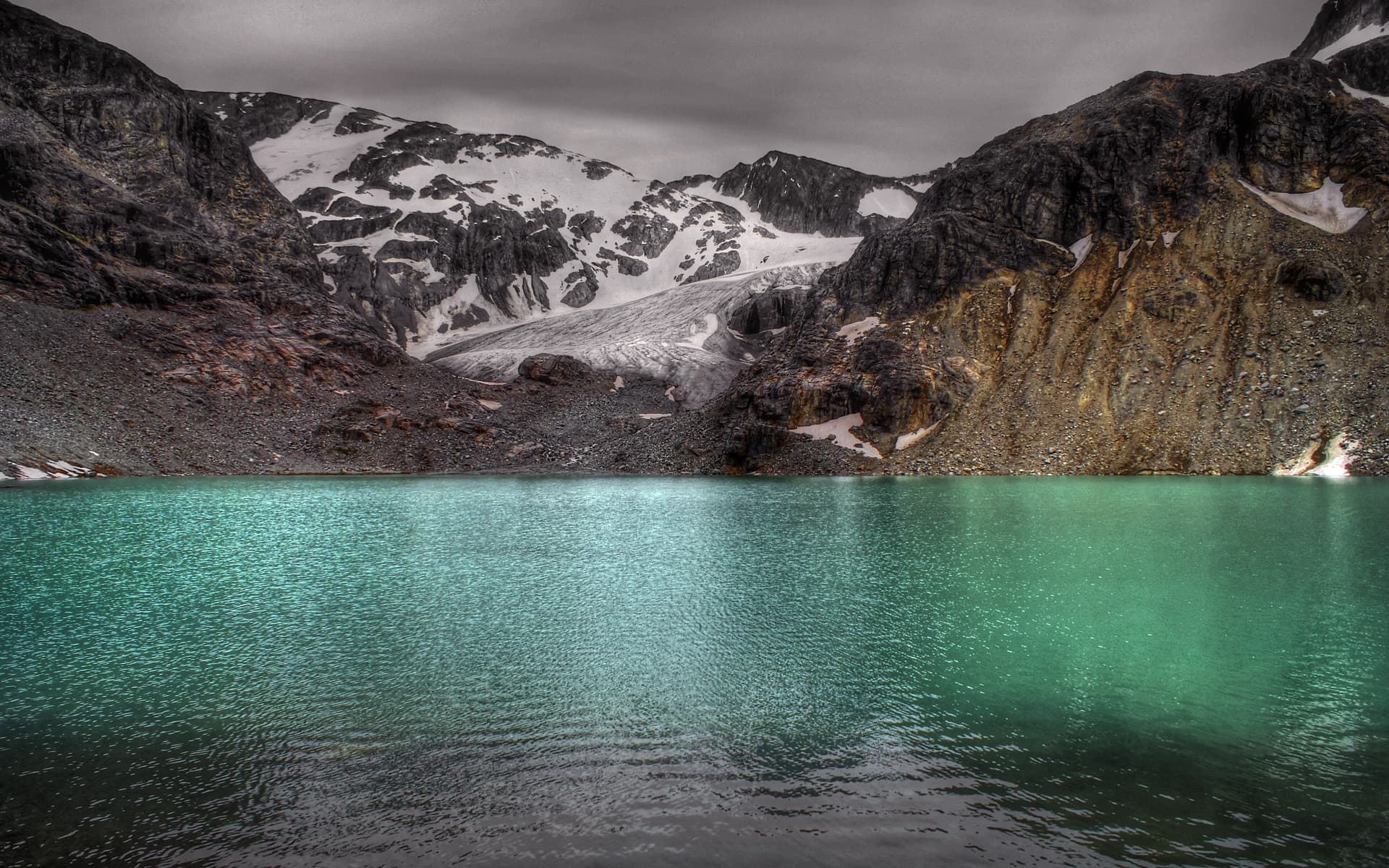
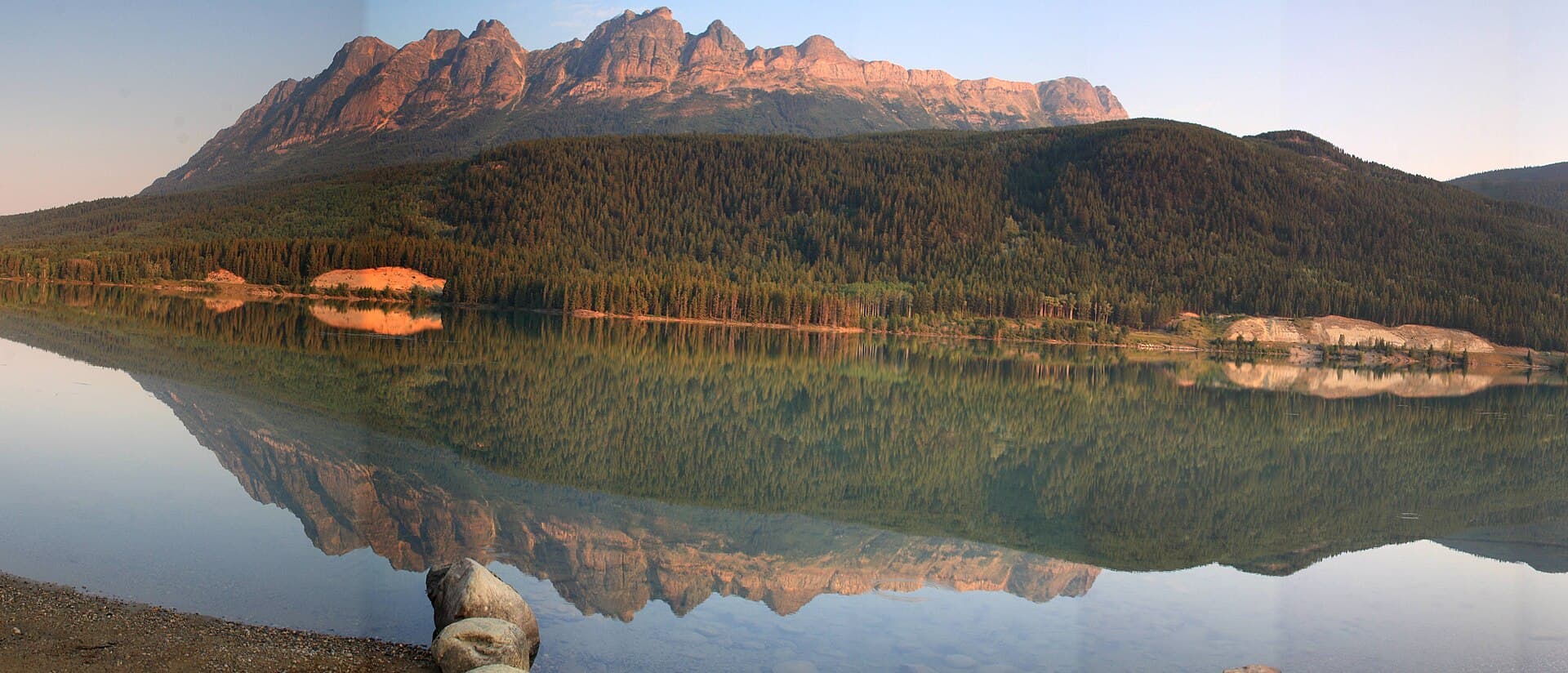
Mount Thomlinson rises as a prominent summit in the Skeena Mountains of northern British Columbia, offering hikers a true backcountry experience away from crowds. Its elevation and position provide panoramic views across forested valleys, distant peaks, and the broad Skeena River drainage. The mountain rewards those who seek solitude, wildlife sightings, and the challenge of ascending through subalpine meadows into open ridges.
How to Get There
Access begins from the communities of Hazelton or Smithers along Highway 16. Travelers turn onto forestry service roads that lead toward the mountain’s base; these routes are gravel and require a high-clearance vehicle. From the trailhead area, established hiking routes climb steadily through mixed forest before emerging onto open slopes. Navigation relies on topographic maps and GPS, as signage is minimal in this remote region.
Best Time to Visit
July through September offers the most reliable conditions, with snow-free trails and long daylight hours. Early summer may still hold lingering snow on north-facing slopes, while autumn brings cooler temperatures and the possibility of early snow. Winter visits demand avalanche awareness and advanced winter travel skills.
Activities and Attractions
Day hikes focus on reaching the summit ridge for 360-degree views that include the Babine and Hazelton ranges. Longer backpacking trips allow exploration of surrounding basins and overnight camps near small tarns. Birdwatchers and photographers often spot ptarmigan, golden eagles, and occasional mountain goats. The area’s quiet atmosphere makes it ideal for those wanting an authentic northern British Columbia wilderness experience.
Preparation and Safety
Cell service is nonexistent beyond the highway, so visitors must carry paper maps, extra food, and emergency shelter. Weather can change rapidly above treeline, requiring layers and rain protection even on sunny days. Bear country protocols are essential; travel in groups and carry bear spray.
Nearby Destinations
After a climb, travelers often continue to the historic village of Hazelton to visit the Ksan Historical Village or explore the scenic Kispiox River valley. The Babine Mountains Provincial Park lies to the east and offers additional trail networks for those extending their stay in the region.