Why Mount Sir Sandford Stands Out
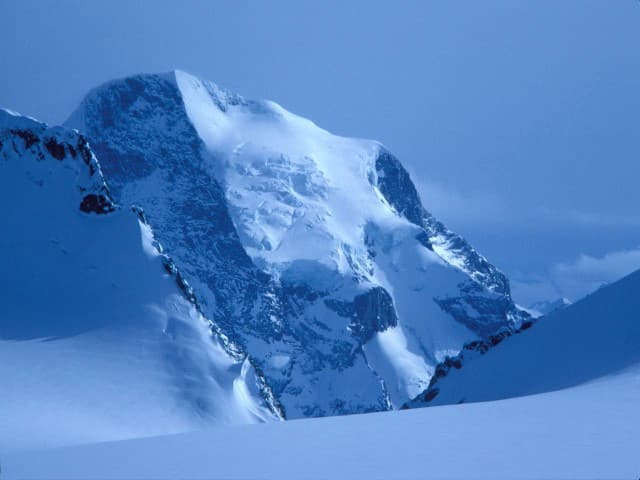
Mount Sir Sandford rises to 3,519 metres as the highest point in the Selkirk Mountains of British Columbia. Its broad, glaciated flanks and isolated position create a striking profile visible from Rogers Pass on clear days. The mountain rewards experienced alpinists with panoramic views across the Columbia Mountains, including the distant Purcells and Monashees, while offering a true wilderness experience free of crowds or infrastructure.
Access and Approach
Reaching the mountain requires careful planning because no roads lead directly to its base. Most parties start from the Trans-Canada Highway near Rogers Pass or the Illecillewaet trailhead inside Glacier National Park. From there, hikers follow maintained trails into the Asulkan or Illecillewaet valleys before branching onto unmaintained routes that cross moraines and glaciers. Helicopter access from Golden or Revelstoke shortens the journey for those carrying heavy loads or planning multi-day ski traverses. All approaches cross avalanche terrain and require route-finding skills.
Best Time to Visit
The optimal window for climbing runs from mid-July through early September when snow bridges are stable and rock routes are largely free of ice. Winter and spring attract ski mountaineers seeking long descents on the glaciers, but these trips demand advanced avalanche training and weather awareness. Shoulder months of June and October bring higher objective hazards from lingering snow or early storms.
Climbing and Activities
The standard route ascends the southwest ridge after crossing the Sir Sandford Glacier, involving moderate glacier travel followed by exposed scrambling and occasional short rock pitches. Parties often establish a high camp on moraine benches below the glacier. Nearby objectives include the neighbouring peaks of the Sir Sandford Range and traverses linking to Mount Dawson or the Asulkan Range. Photographers prize sunrise and sunset views from the summit ridge when the surrounding icefalls catch alpenglow.
Nearby Destinations
After descending, visitors commonly combine the trip with stops at Rogers Pass National Historic Site, the Illecillewaet Glacier, or the alpine meadows of the Asulkan Valley. The town of Golden offers resupply and lodging, while Revelstoke provides additional services and helicopter operators.