Skip to content
Plan & Tour
DestinationsItinerariesTravel BlogAboutContact
0Sign inPlan a trip
Plan & TourPlan & Tour

Travel guides, destination inspiration and curated itineraries for Canada, the USA and beyond, plus a free tool to plan your own day-by-day trip.

Get travel inspiration

Explore

  • All Destinations
  • Curated Itineraries
  • Travel Blog
  • Plan a Trip

Topics

  • Hiking & Nature
  • Food & Drink
  • City Breaks
  • Budget Travel

Company

  • About Us
  • Contact
  • Privacy Policy
  • Terms of Service

© 2026 Plan & Tour. Built for travellers.

Discover the world, one trip at a time.

Mount Pavlof: Alaska’s Most Active Volcano in the Aleutian Range
  1. Home
  2. Destinations
  3. Aleutians East Borough
  4. Mount Pavlof: Alaska’s Most Active Volcano in the Aleutian Range
Mountain

Mount Pavlof: Alaska’s Most Active Volcano in the Aleutian Range

A remote stratovolcano offering dramatic wilderness and rare volcanic views for prepared adventurers.

Aleutians East BoroughUpdated 13 August 2026

Why Visit Mount Pavlof

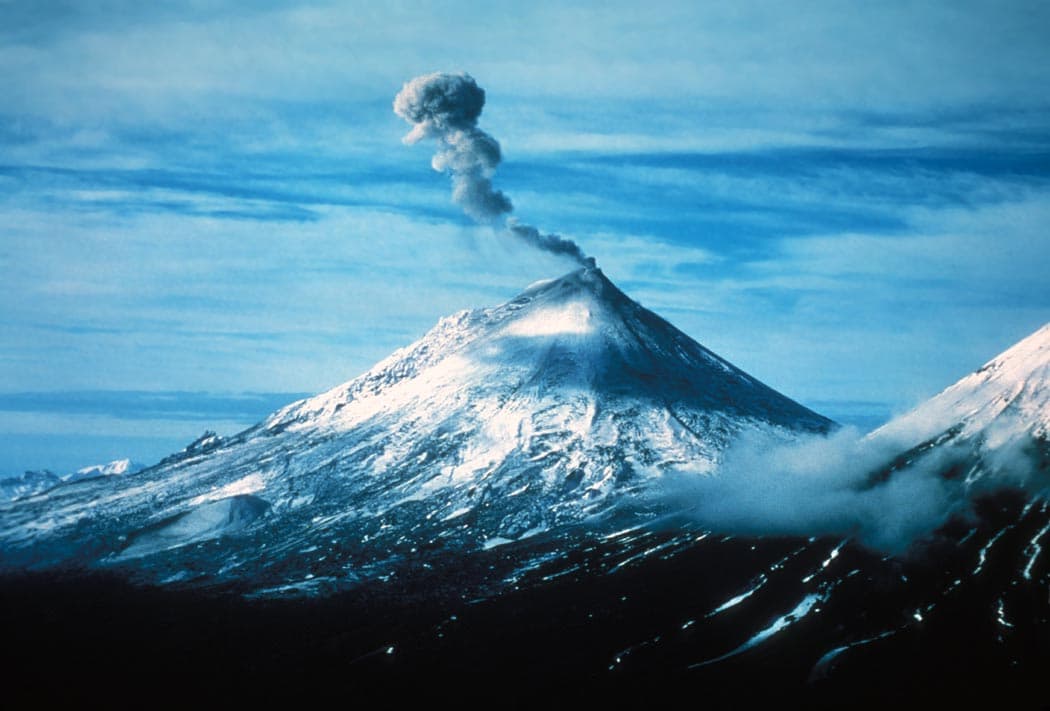
Mount Pavlof stands as one of North America’s most frequently active volcanoes, rising sharply from the Alaska Peninsula in a landscape shaped by fire and ice. Its symmetrical cone and history of eruptions create a stark, powerful presence that draws geologists, photographers, and extreme hikers seeking untouched wilderness far from developed trails.

Getting There

Access begins with flights to Cold Bay or King Cove, the nearest communities with regular air service from Anchorage. From these points, visitors arrange boat charters or small-plane flights across Izembek National Wildlife Refuge waters and tundra. No roads lead directly to the mountain, so all approaches involve careful coordination with local pilots and boat operators familiar with the area.

Best Time to Visit

June through early September offers the longest daylight and relatively milder conditions for travel, though fog, high winds, and sudden storms remain common. Winter visits are impractical due to darkness, extreme cold, and volcanic monitoring priorities.

What to See and Do

Observers can hike across tundra and volcanic ash fields for distant views of the summit crater and steaming fumaroles when activity allows. Wildlife viewing includes brown bears, caribou, and seabirds along the coast. Serious climbers target the steep, glaciated slopes only with proper mountaineering skills and current volcanic hazard updates from the Alaska Volcano Observatory.

  • Photograph the cone against the Bering Sea backdrop from safe vantage points.
  • Explore nearby Izembek Lagoon for waterfowl and marine life.
  • Study volcanic geology through visible lava flows and ash deposits.

Nearby Attractions

The region includes the Izembek National Wildlife Refuge and the community of Cold Bay, known for its World War II history and airport. Further afield, the Aleutian chain offers additional volcanic peaks and remote fishing waters.

Visitor tips

  • Monitor Alaska Volcano Observatory alerts before any trip, as sudden ash emissions can close air routes.
  • Pack layered waterproof clothing, satellite communication, and extra food due to unpredictable weather.
  • Hire local guides or charter operators experienced in the area for safe transport and route planning.

Frequently asked questions

Can you climb Mount Pavlof?+

Only experienced mountaineers attempt the ascent due to steep ice, loose rock, and ongoing volcanic risk; most visitors view it from a distance.

How active is Mount Pavlof?+

It ranks among Alaska's most frequently erupting volcanoes, with multiple events in recent decades, so current monitoring is essential.

What permits are needed to visit?+

No special climbing permit exists, but travelers must follow refuge regulations and obtain necessary transport permissions from local operators.

Is Mount Pavlof suitable for beginners?+

No; the extreme remoteness, weather, and hazards make it appropriate only for seasoned wilderness travelers with strong self-sufficiency.

Are there facilities near the mountain?+

None exist at the volcano itself; all supplies and shelter must be brought in or arranged from Cold Bay or King Cove.

Share
Google Maps Apple Maps Directions

Image: U.S. Fish and Wildlife Service · Public domain · via Wikimedia Commons

Keep reading

Nearby & related

All stories
Unimak Island: Alaska’s Remote Volcanic Wilderness in the Aleutians
Aleutians East Borough

Unimak Island: Alaska’s Remote Volcanic Wilderness in the Aleutians

Venture to the largest Aleutian island for dramatic volcanoes, abundant marine life, and true frontier isolation.

13 August 2026