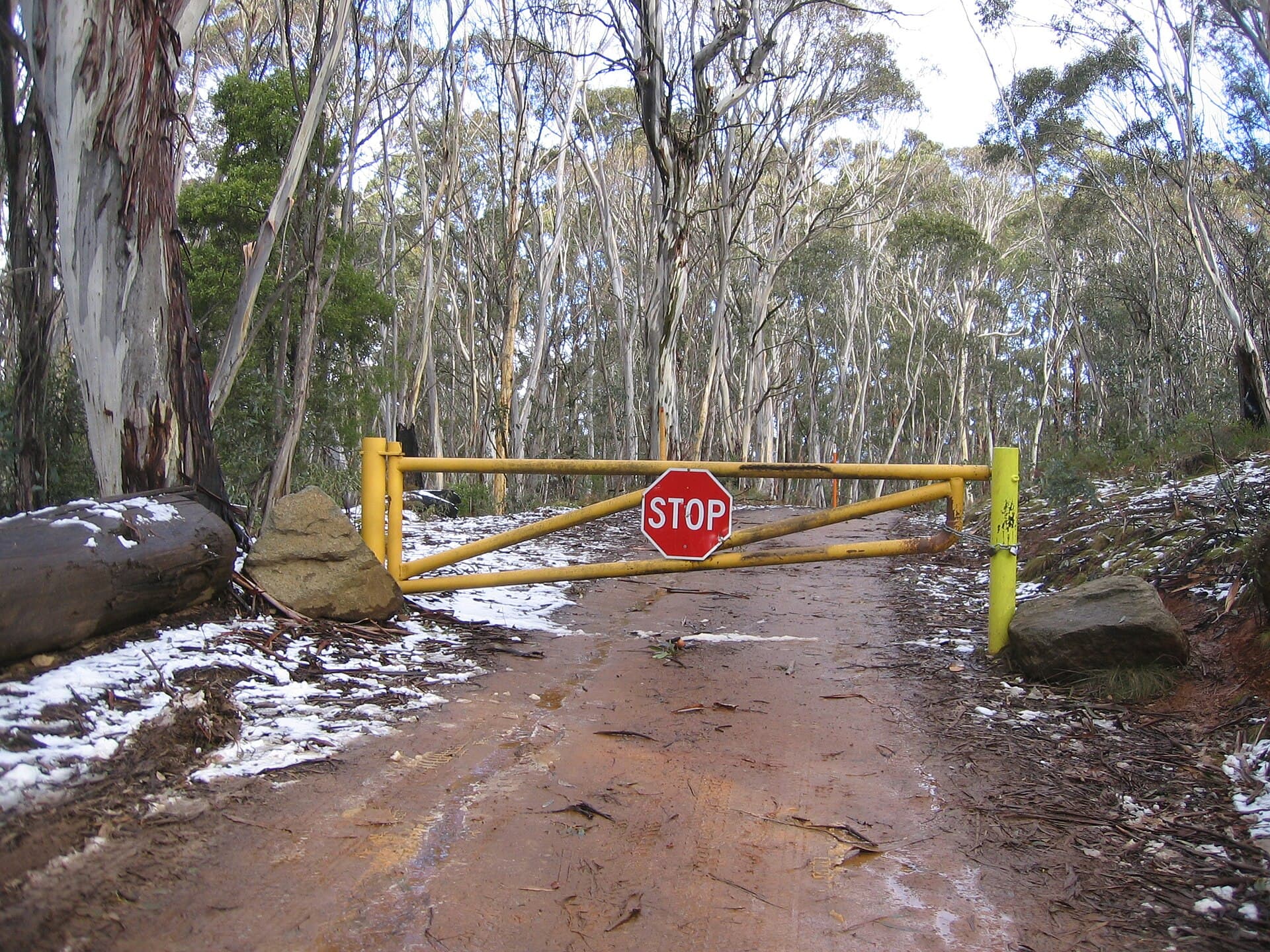
Why Visit Mount Painter
Mount Painter rises gently above Canberra’s north-western suburbs, offering one of the easiest ways to reach a true summit viewpoint without leaving the city limits. The 780-metre peak sits within Canberra Nature Park and rewards walkers with 360-degree panoramas that take in Black Mountain, the Brindabella Ranges and the distant snow-capped peaks of Namadgi National Park on clear days.
Trails and What to Expect
The main route starts from a small car park on the eastern side of the reserve. A well-formed management track climbs steadily through open eucalypt woodland before joining a narrower footpath that circles the summit. The loop is roughly 4 km and takes most visitors 90 minutes to two hours at an easy pace. Spring brings colourful displays of native peas, orchids and wattles; in autumn the light is softer and temperatures are ideal for photography.
Wildlife and Vegetation
Look for eastern grey kangaroos grazing at dawn and the occasional wedge-tailed eagle riding thermals above the ridge. The lower slopes support stands of yellow box and red stringybark, while the upper slopes are dominated by scribbly gums whose smooth bark provides striking contrast against the rocky outcrops.
Getting There
Drive via Belconnen Way and turn into the signed access road near the suburb of Cook. Limited parking is available at the trailhead; arrive early on weekends. Public transport users can catch a bus to nearby stops on Bindubi Street and walk an additional 15 minutes to the reserve entrance.
Best Time to Visit
April to November offers the most comfortable walking conditions. Summer visits are possible but start early to avoid heat and carry extra water. After heavy rain the clay tracks can become slippery, so sturdy shoes with good grip are essential year-round.
Nearby Attractions
Combine the hike with a visit to the Australian National Botanic Gardens at the base of Black Mountain or continue to Lake Ginninderra for a relaxed lakeside lunch. The National Arboretum Canberra lies just a short drive further west, offering another perspective on the region’s planted forests.