Why Visit Mount Joffre
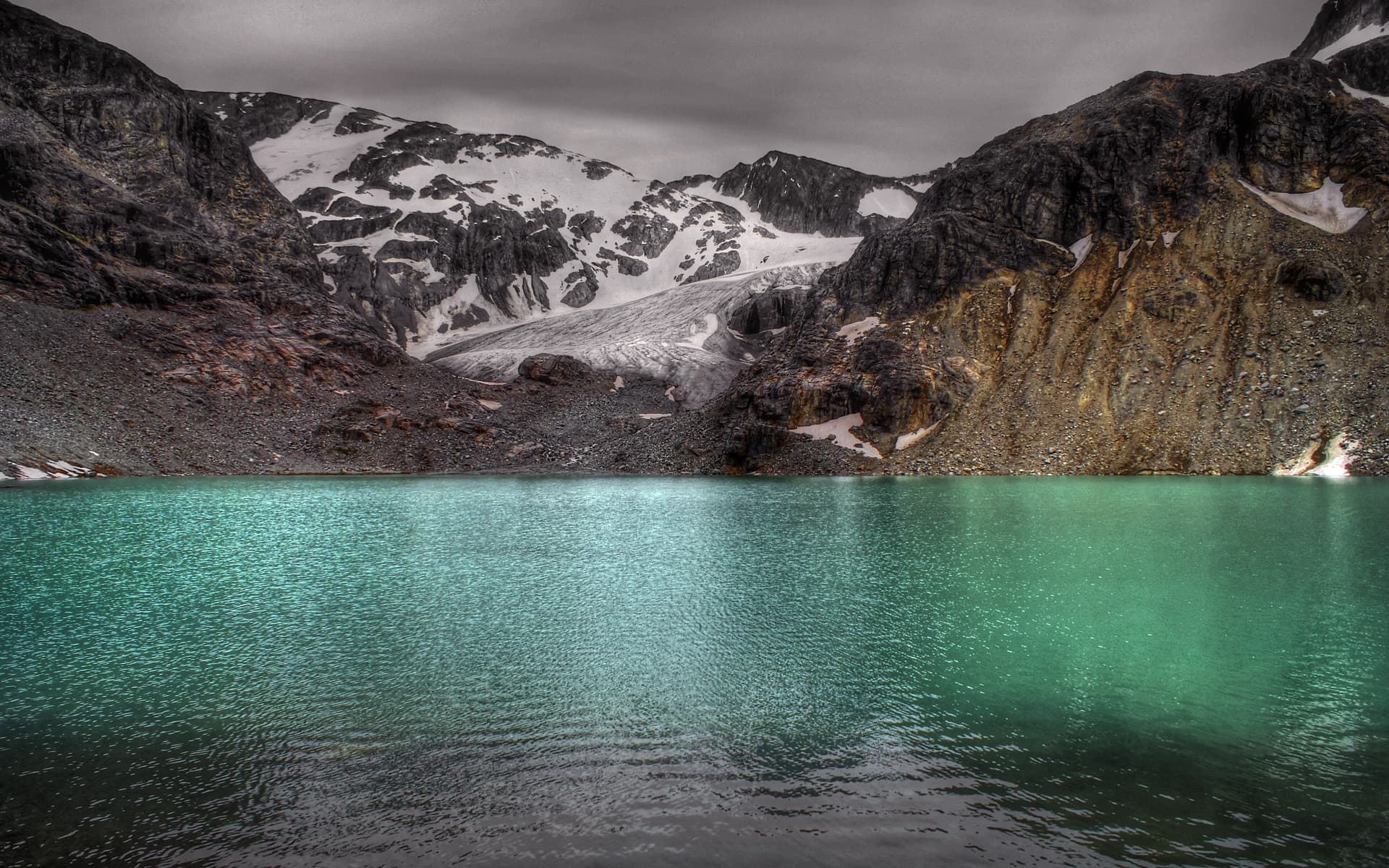
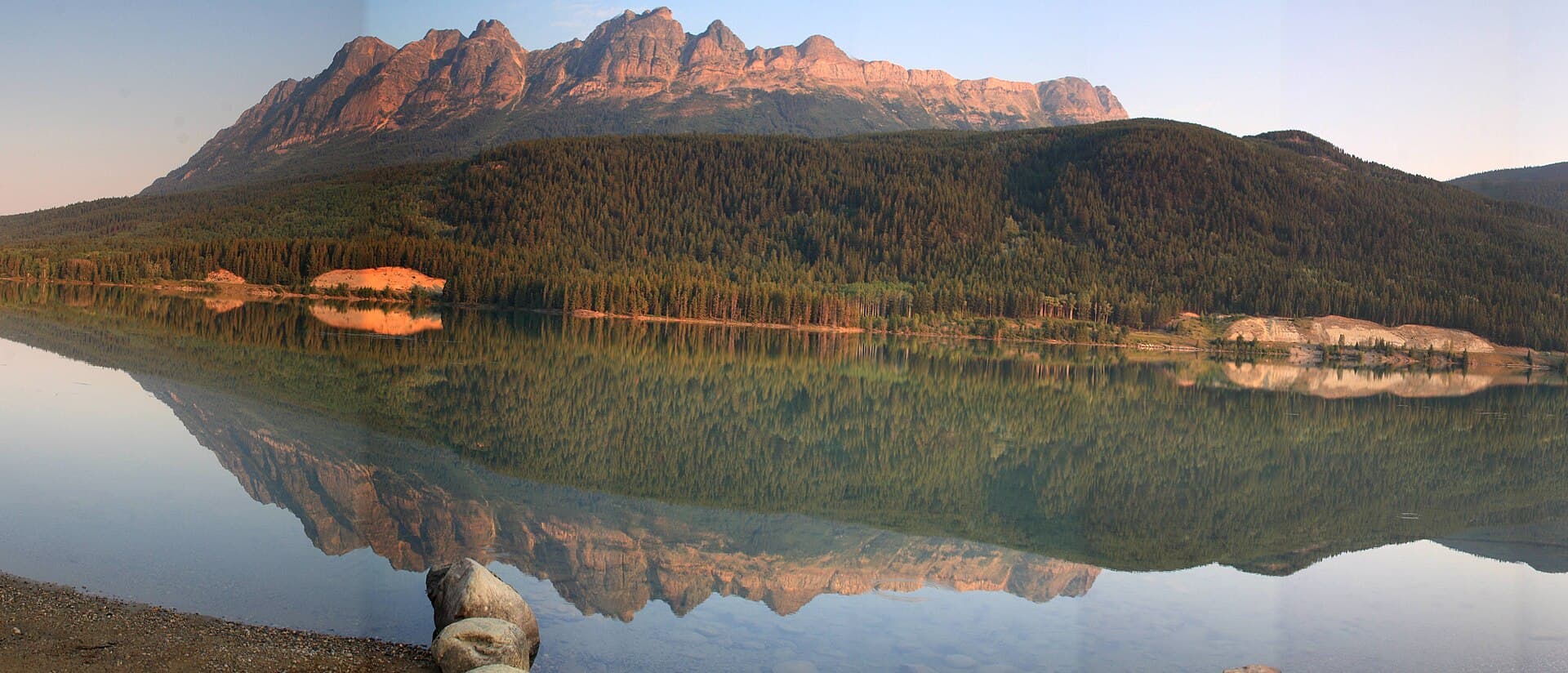
Mount Joffre rises prominently on the British Columbia side of the Continental Divide in the southern Canadian Rockies. Its rugged profile and relative isolation make it a standout destination for experienced hikers and scramblers seeking fewer crowds than better-known peaks in Kananaskis or Banff. The mountain sits within or adjacent to Elk Lakes Provincial Park, delivering classic alpine scenery of glacier-carved valleys, turquoise lakes, and expansive ridgelines.
Getting There
Access begins from the Alberta side via Highway 40 through Kananaskis Country, then follows forestry roads and trailheads near the British Columbia border. Most visitors start from the Elk Lakes trailhead after a long drive on gravel roads. A high-clearance vehicle is recommended, and conditions can change quickly after rain. No public transit serves the area, so independent travel or organized backcountry shuttles are typical.
Activities and Trails
The primary draw is the strenuous ascent via the south ridge or standard scrambling routes that gain over 1,000 metres of elevation. Hikers enjoy continuous views of Mount Joffre’s impressive north face and the surrounding peaks of the Royal Group. Lower elevations offer easier day hikes around Upper and Lower Elk Lakes, with opportunities for photography, fishing, and wildlife observation. Overnight trips allow exploration of remote basins and potential multi-peak traverses.
Best Time to Visit
July through early September provides the most reliable snow-free conditions on the upper slopes. Wildflowers peak in late July and early August, while September brings cooler temperatures and fewer insects. Shoulder seasons require ice axes and crampons due to lingering snowfields. Winter travel demands full avalanche training and equipment.
Nearby Attractions
Elk Lakes Provincial Park itself features several additional lakes and short interpretive trails. Nearby Mount Abruzzi and the Royal Group offer further scrambling objectives for strong parties. The region connects to larger networks in Peter Lougheed Provincial Park to the east and the Height of the Rockies Provincial Park to the west, allowing extended wilderness trips.