Keep reading
Nearby & related
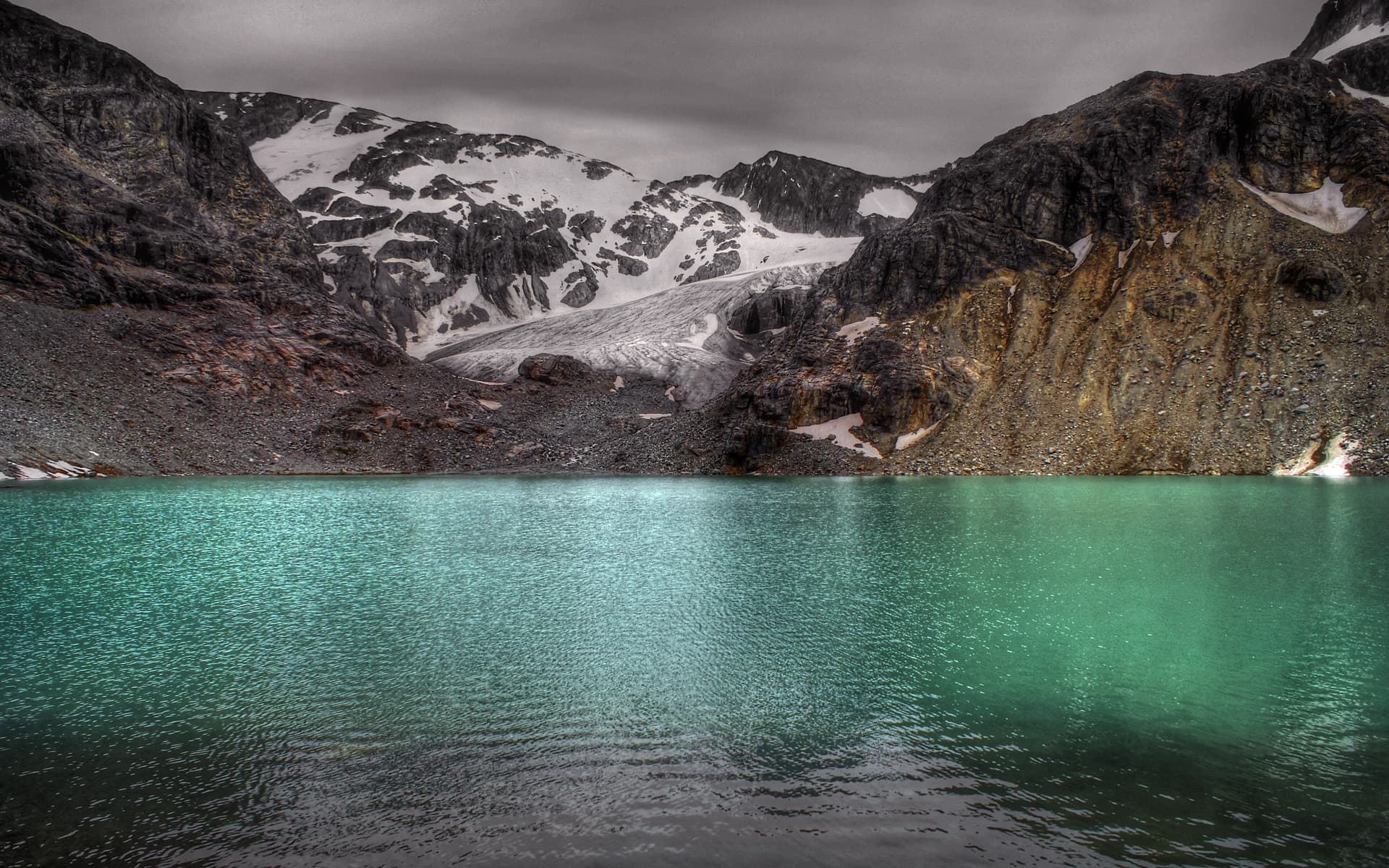
Wedgemount Lake: Hiking to a Turquoise Alpine Gem Near Whistler
A rewarding backcountry trek leads to glacial waters and sweeping mountain views in British Columbia’s Coast Range.
8 August 2026
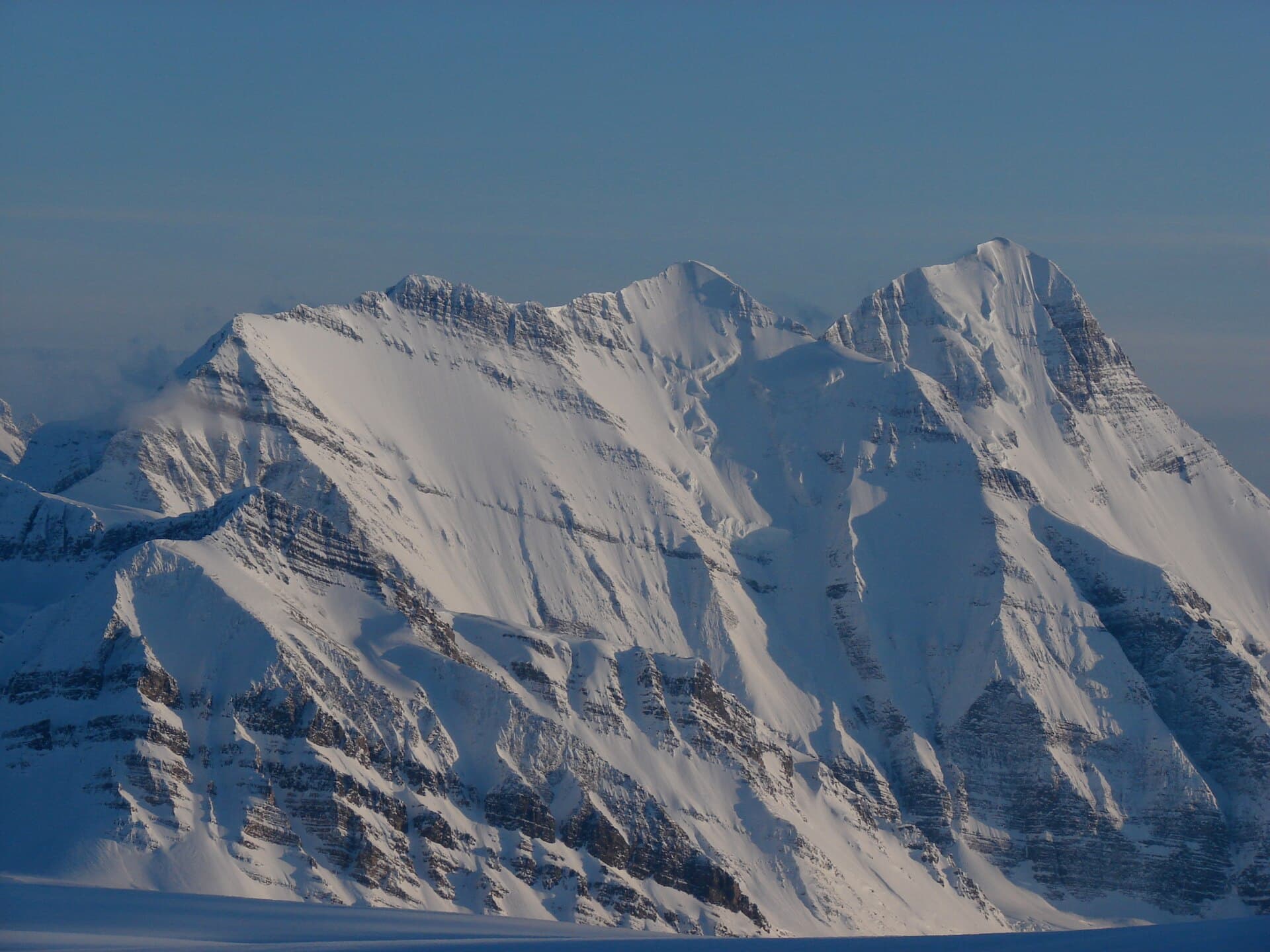
Discover the dramatic 3,507-metre pyramid of Mount Bryce, a landmark of the Canadian Rockies visible from the scenic Icefields Parkway.
Mount Bryce rises as a sharp, isolated pyramid of rock and ice in the Canadian Rockies, offering one of the most striking silhouettes along the Icefields Parkway. Its steep faces and hanging glaciers create a sense of vertical scale that sets it apart from the surrounding peaks, drawing photographers and sightseers who stop at pullouts between Sunwapta Pass and the Columbia Icefield.
Reach the mountain by driving the Icefields Parkway (Highway 93), which connects Jasper and Lake Louise. The peak dominates views on the western side of the road roughly 20 kilometres south of the Columbia Icefield Centre. The optimal season for clear sightlines and safe travel is late June through mid-September, when the highway is fully open and wildflowers line roadside meadows. Winter visits require winter tires and avalanche awareness, as snow and ice persist on higher slopes year-round.
Most visitors experience Mount Bryce from roadside viewpoints or short interpretive trails near the highway. The mountain’s north and east faces remain visible for several kilometres, revealing changing light on its icefalls throughout the day. Experienced mountaineers tackle the technical routes on its south ridge, but the area is otherwise suited to scenic driving, wildlife spotting, and photography rather than summit attempts. Nearby attractions include the Athabasca Glacier, the Columbia Icefield Skywalk, and the Weeping Wall, all reachable within a short drive.
The combination of high-alpine scenery, accessible roadside viewing, and proximity to other icefield features makes Mount Bryce a rewarding stop for anyone traveling the Parkway.
Keep reading
A rewarding backcountry trek leads to glacial waters and sweeping mountain views in British Columbia’s Coast Range.
Yes, its distinctive pyramid shape is a prominent landmark on the west side of the highway between Sunwapta Pass and the Columbia Icefield.
No. The mountain requires advanced mountaineering skills, ice travel, and route-finding; most visitors enjoy it from the roadside instead.
Late June through September offers the clearest highway access and longest daylight for viewing the peak.
Yes, several roadside pullouts and the nearby Wilcox Pass Trail provide excellent vantage points without technical climbing.
The Columbia Icefield, Athabasca Glacier, and Sunwapta Falls all lie within a 30-minute drive along the Icefields Parkway.
This serene lake in British Columbia’s Rockies delivers quiet paddling, trout fishing, and easy access to dramatic peaks…
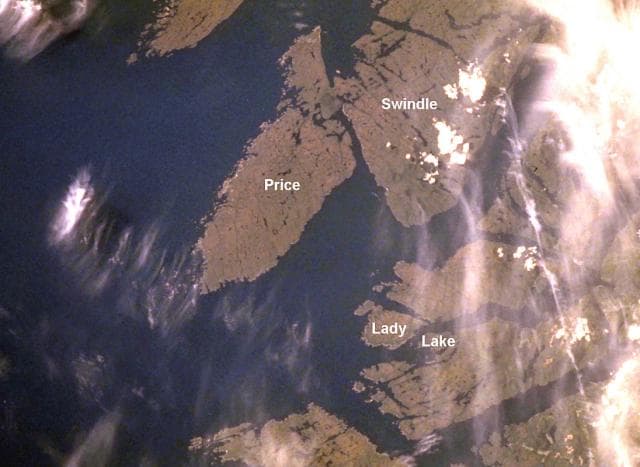
Discover pristine rainforest, marine wildlife, and quiet anchorages on this secluded island in the Inside Passage.