Why Visit Mount Assiniboine
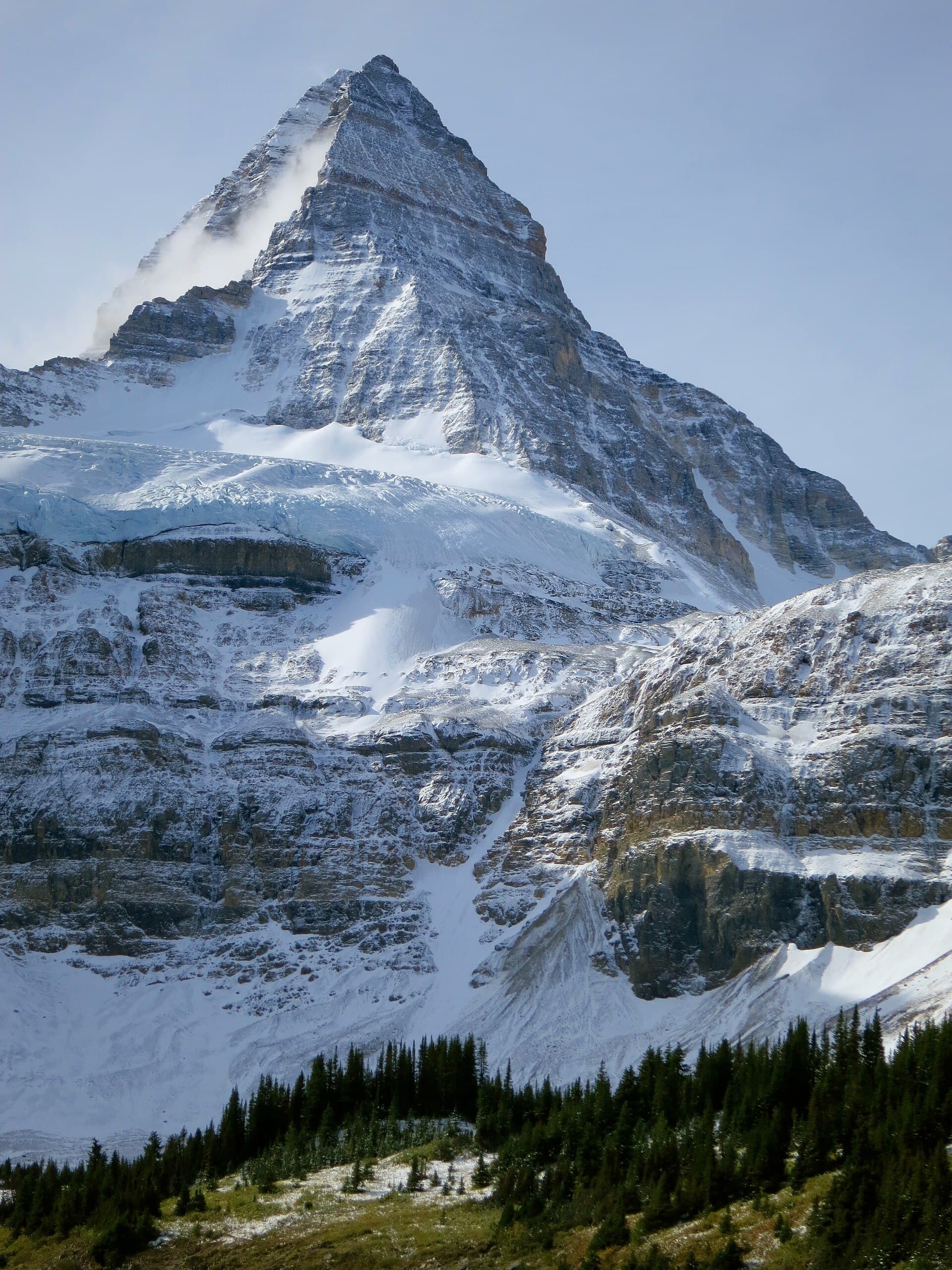
Mount Assiniboine rises like a sharp pyramid above the surrounding peaks in Mount Assiniboine Provincial Park, earning it the nickname “Matterhorn of the Rockies.” Its distinctive shape, combined with meadows of wildflowers and glacier-fed lakes such as Lake Magog, creates one of the most photographed alpine scenes in Canada. The area offers solitude compared with busier Banff trails while remaining accessible for multi-day hikers and photographers.
How to Reach the Mountain
Most visitors arrive via helicopter from Canmore or Banff, landing near Mount Assiniboine Lodge in roughly 15 minutes. Those seeking a longer approach can hike from the Mount Shark trailhead near Spray Lakes Reservoir, following a 27-kilometre route that crosses passes and follows the Bryant Creek valley. A shorter but steeper option starts from the Simpson River trailhead on the park’s western boundary. No public roads reach the core area, so advance planning for transport is essential.
Best Time to Visit
July through September provides the most reliable weather for hiking and camping, with wildflowers peaking in late July and early August. Snow can linger into July on higher passes, and sudden afternoon storms are common. Winter visits are possible for experienced ski tourers but require avalanche training and specialized gear.
Things to See and Do
The classic activity is the circuit around Lake Magog, which offers close views of the mountain’s north face and opportunities to spot mountain goats and grizzly bears. Longer day hikes lead to Wonder Pass, Citadel Pass, and the Nub Peak lookout. Photographers often rise early for reflections of the peak in the still lake waters. Multi-day visitors can stay at the lodge or designated backcountry campsites and explore side trails to Sunburst Lake and Cerulean Lake.
Nearby Destinations
After a visit to Mount Assiniboine, many travelers continue to Banff National Park for easier day hikes around Lake Louise or Johnston Canyon. The town of Canmore provides restaurants and gear shops a short drive from the helicopter base.
Practical Planning Notes
- Backcountry camping requires a permit obtained through BC Parks reservations.
- Carry bear spray and know how to use it; the area has active grizzly populations.
- Weather changes quickly at elevation; bring layers, rain gear, and navigation tools.