History and Significance
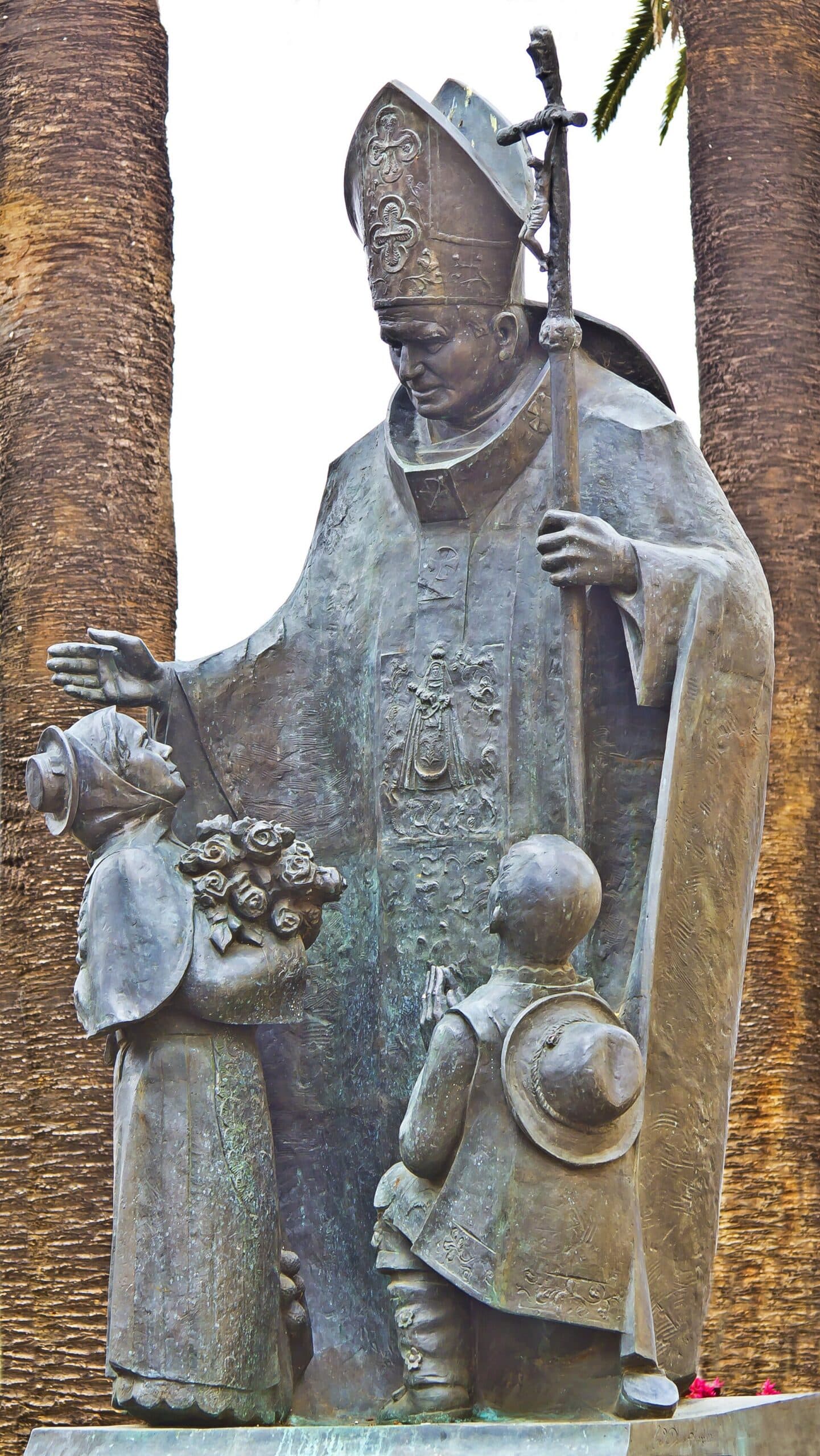
The Monument to Pope John Paul II stands as a dignified bronze tribute within San Cristóbal de La Laguna, a city whose colonial grid and religious heritage earned UNESCO World Heritage status. The sculpture captures the pontiff in a moment of blessing, reflecting his 1982 visit to the Canary Islands and the enduring Catholic traditions that shape Tenerife’s cultural identity. Positioned near the city’s historic core, the monument connects visitors to both papal legacy and the island’s layered past of conquest, evangelization, and community life.
What to See and Do
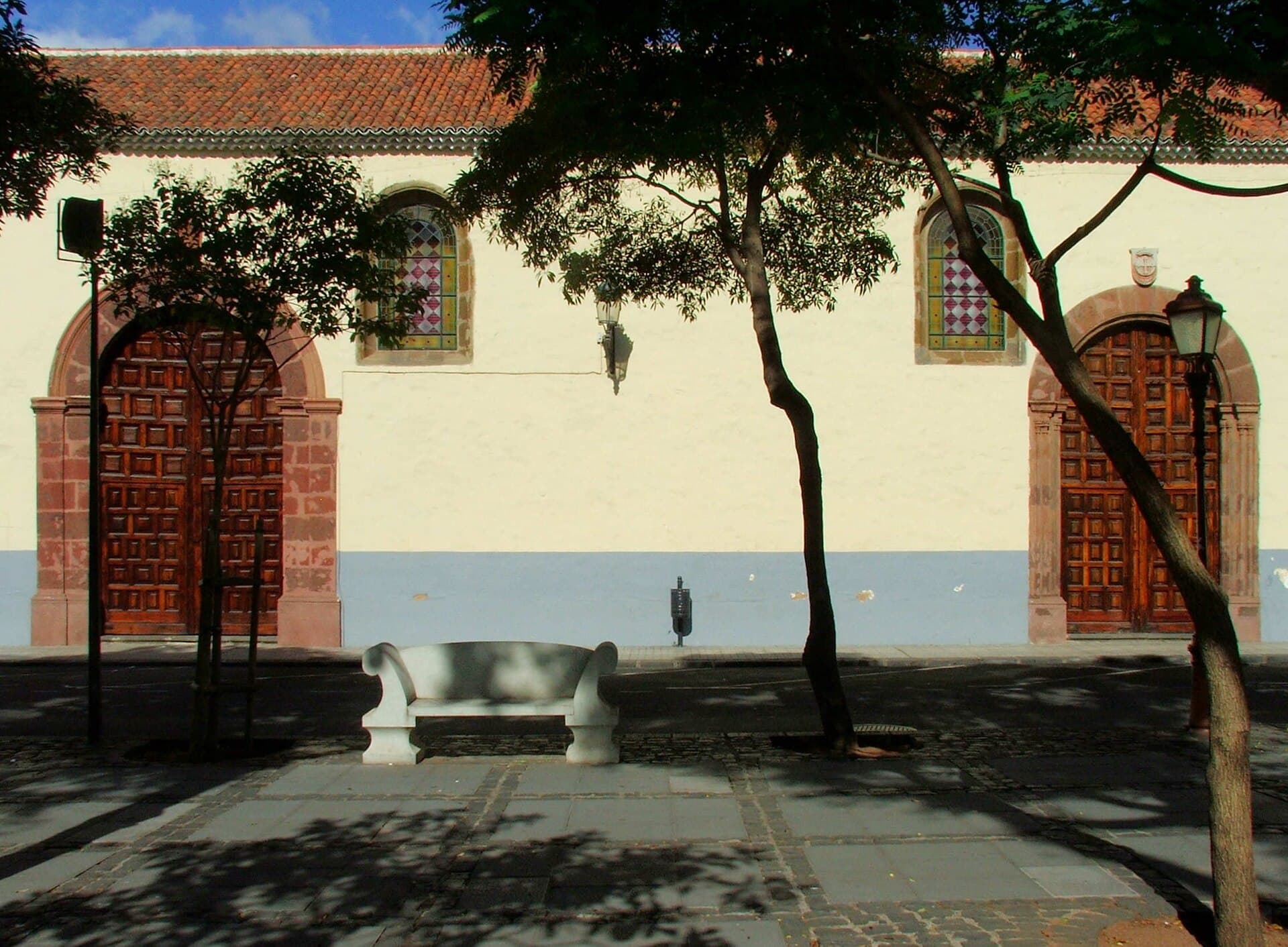
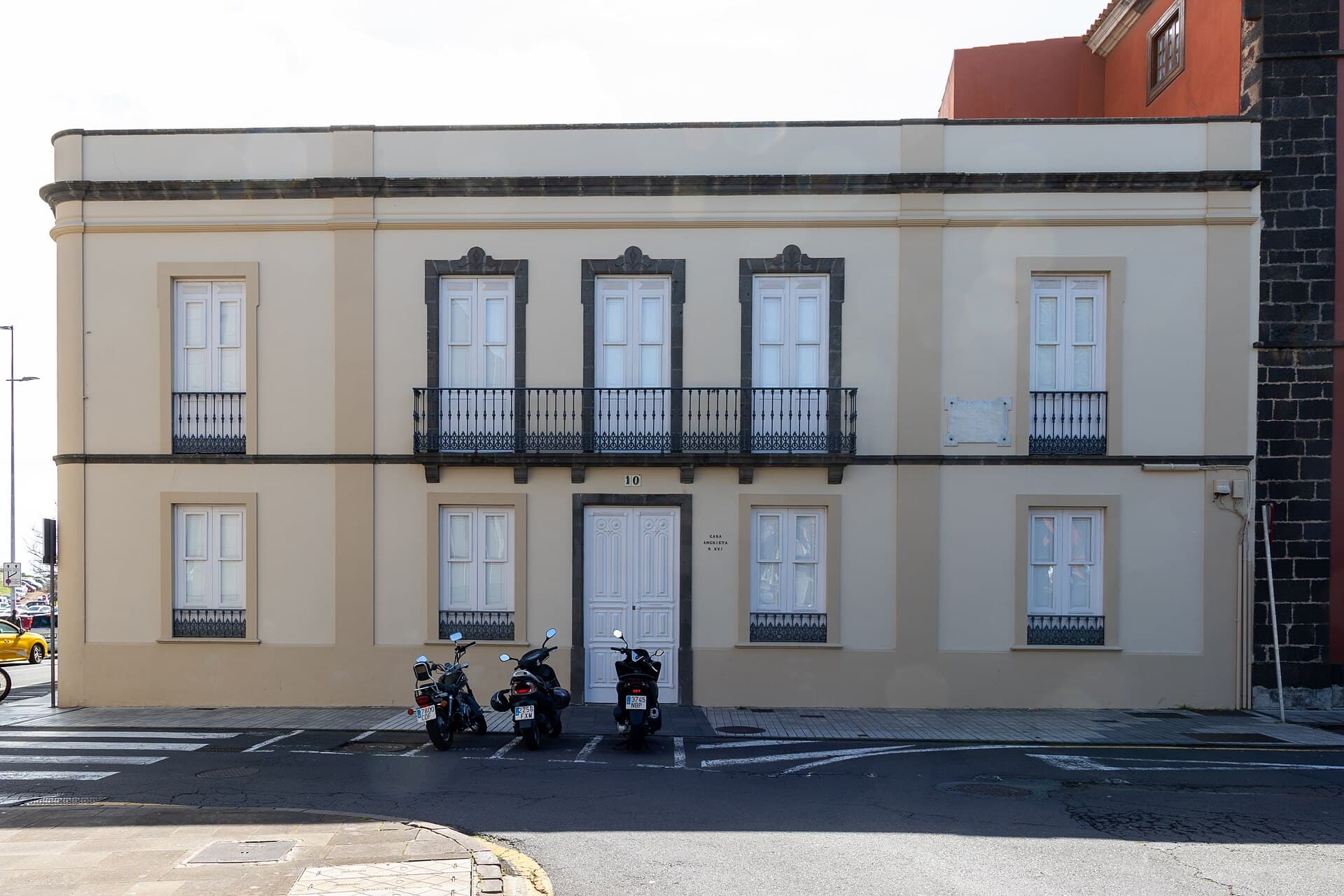
Approach the monument slowly to appreciate the detailed folds of the papal robes and the expressive gesture of the raised hand. The surrounding plaza offers benches shaded by palm trees, making it an ideal spot for quiet reflection. Photographers find soft morning light particularly flattering on the patina of the bronze. Combine your visit with a stroll along the adjacent pedestrian streets, where restored Canarian mansions display wooden balconies and volcanic-stone facades.
Getting There
La Laguna lies roughly 10 kilometers inland from Santa Cruz de Tenerife. Frequent TITSA buses (routes 15, 20, and 50) stop within a short walk of the monument; the journey from Santa Cruz takes about 25 minutes. Drivers can use the public parking garage beneath Plaza del Cristo or street parking on the outskirts of the pedestrian zone. The monument is also reachable on foot from the Tenerife North Airport bus station in under 15 minutes.
Best Time to Visit
Early morning or late afternoon avoids both tour groups and the strongest midday sun. Spring and autumn bring comfortable temperatures and fewer crowds than the summer holiday peak. The feast of Corpus Christi in late May or early June transforms the surrounding streets with elaborate flower carpets, adding color to any visit.
Nearby Attractions
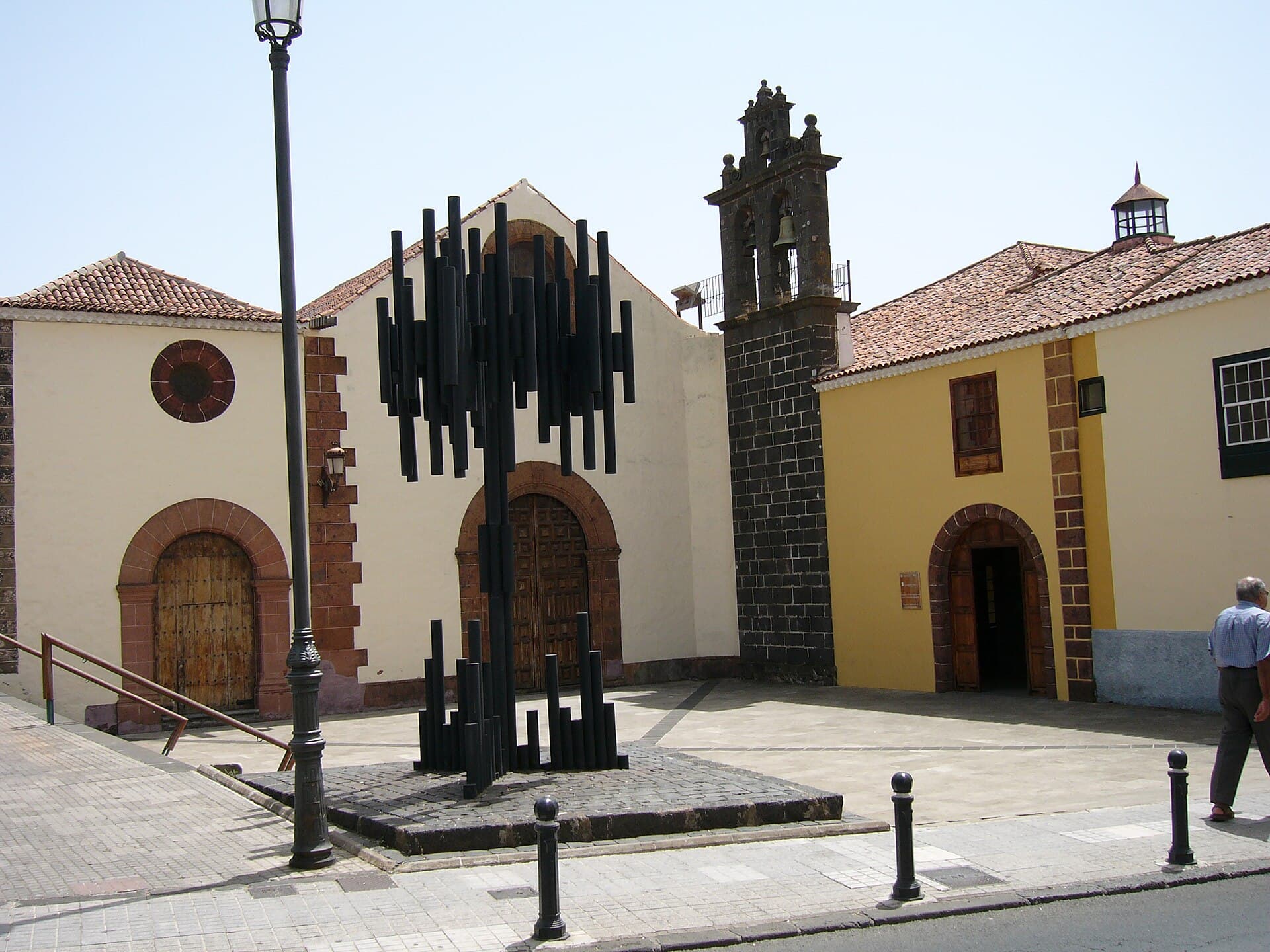
Just steps away lies the Iglesia de Nuestra Señora de la Concepción, whose 16th-century tower dominates the skyline. The Real Santuario del Cristo, housing a revered 16th-century crucifix, sits two blocks north. University buildings and the Casa Lercaro museum, with its collection of Canarian art, provide further context on the region’s intellectual and artistic history. A 10-minute walk reaches the bustling Mercado de La Laguna for local produce and cheeses.