Why Visit the Monastery of Santa Catalina
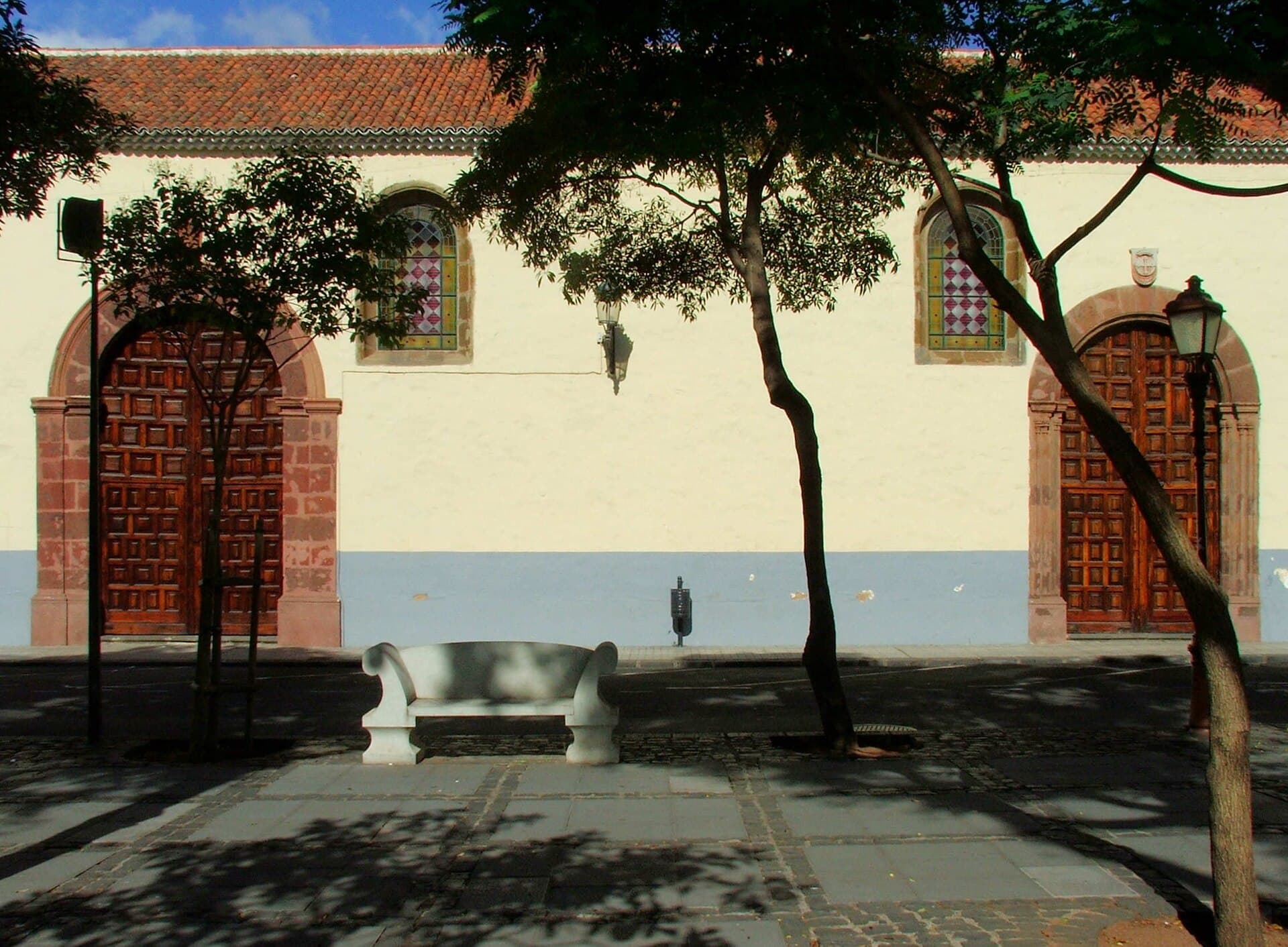
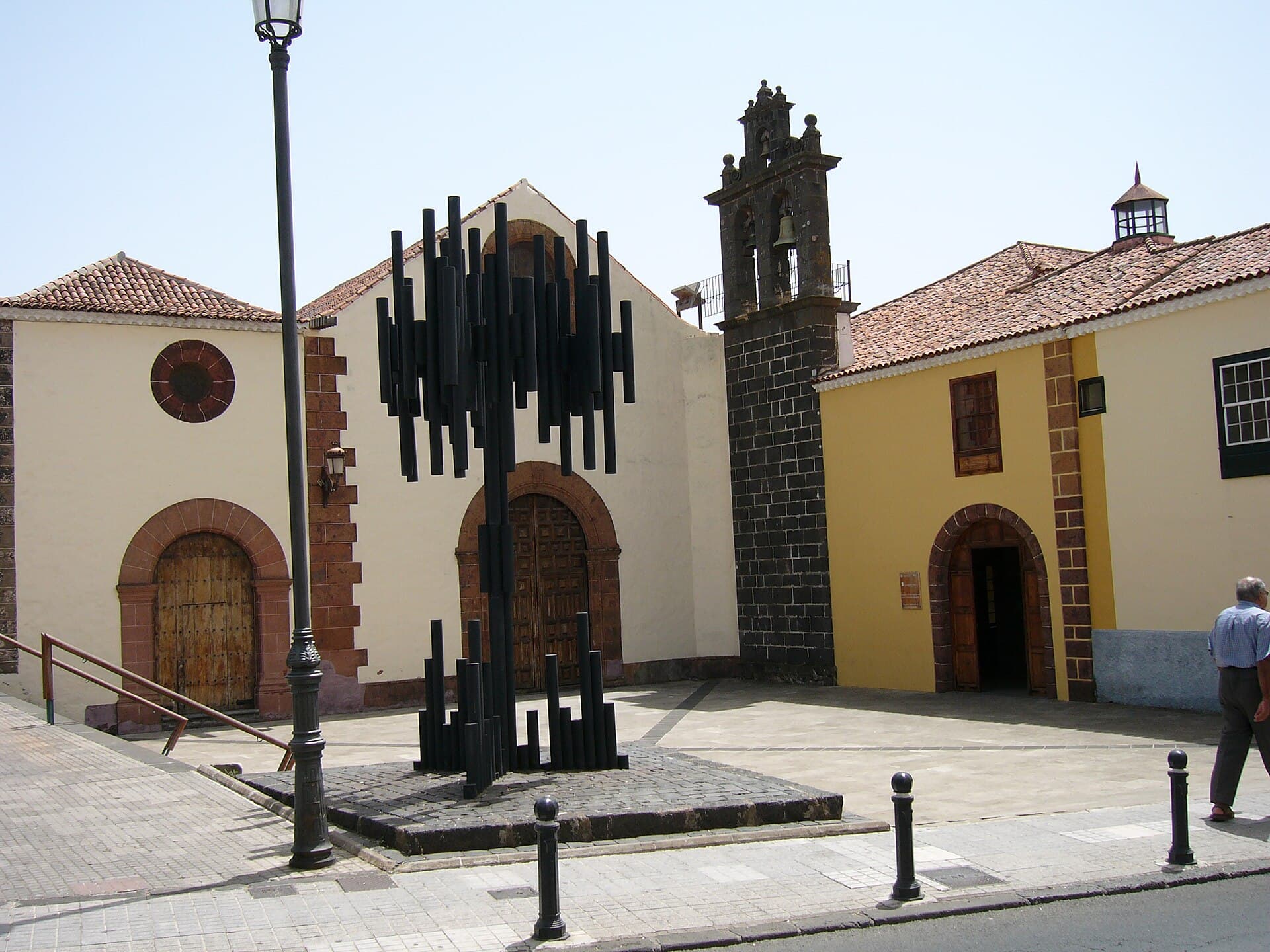
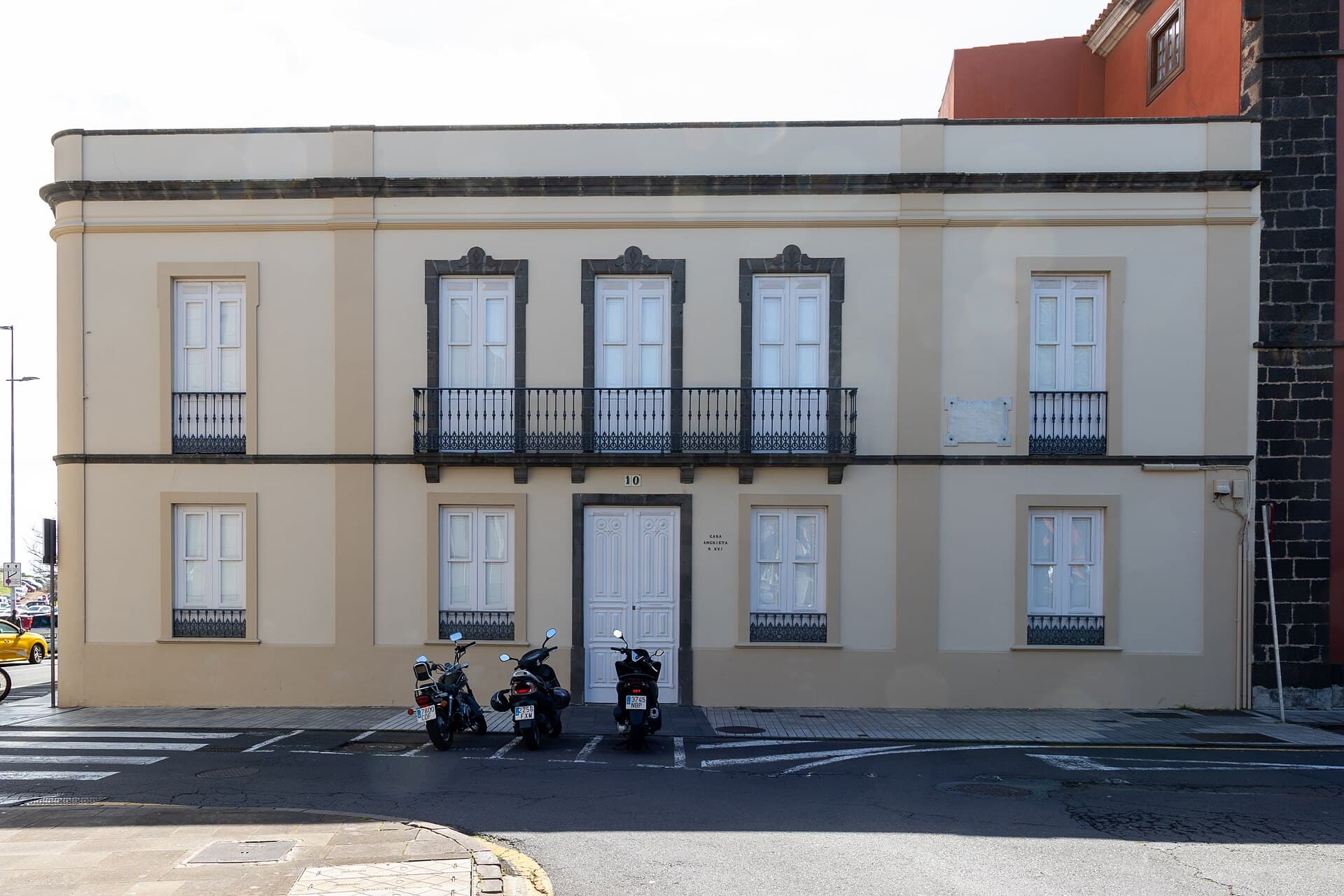
Set within the pedestrian-friendly historic center of San Cristóbal de La Laguna, the Monastery of Santa Catalina offers visitors a quiet window into Tenerife’s colonial religious heritage. Founded in the early 1500s by Dominican nuns, the complex remains one of the island’s best-preserved examples of convent architecture, blending Canarian stonework with later baroque and neoclassical additions. Its whitewashed walls and terracotta roofs stand in contrast to the colorful mansions that surround it, creating a calm oasis amid the bustle of the university town.
Architecture and What to See
The main church features a single nave with side chapels dedicated to various saints, including an ornate altarpiece dedicated to Saint Catherine of Siena. Inside the cloister, visitors walk beneath wooden balconies supported by carved stone columns while orange and lemon trees fill the central garden. The chapter house and refectory retain original 17th-century furnishings and religious paintings that illustrate daily life for the enclosed community. A small museum area displays embroidered vestments and silverwork produced by the nuns over centuries. The upper choir, reached by a narrow staircase, offers a rare elevated view of the nave through a grille.
Practical Layout for Visitors
Most people begin at the church entrance on Calle Santo Domingo, then move into the cloister via a side door. The route is linear and well-signed, allowing a self-guided pace of 45 to 90 minutes. Benches in the garden provide shaded spots to rest, and the acoustics make it easy to appreciate the silence that still governs the space.
Getting There and Orientation
La Laguna sits roughly 10 kilometers inland from Santa Cruz de Tenerife and is served by frequent tram line 1 from the capital. From Tenerife North Airport, a short taxi ride or bus connection reaches the historic center in under 15 minutes. Once inside the old town, the monastery is a five-minute walk from Plaza del Adelantado along largely flat, cobbled streets. Parking is limited; visitors arriving by car should use the municipal lots on the periphery and continue on foot.
Best Time to Visit and Nearby Attractions
The mild Canary climate makes any season suitable, though spring and autumn bring fewer cruise-ship groups and more comfortable temperatures for walking. Early morning or late afternoon light enhances the textures of the stone and woodwork. Combine the visit with the nearby Cathedral of La Laguna, the 16th-century Casa Lercaro, and the botanical gardens of the University of La Laguna, all reachable on foot within the UNESCO-protected zone.